Largest 3D Cosmic Map Unveils 47 Million Galaxies Amid Urgent Climate Warning
Scientists have just completed the largest-ever 3D map of the universe, charting an astonishing 47 million galaxies from the Milky Way to the distant era called “cosmic noon.” This breakthrough provides critical insights into the universe’s vast structure and the distribution of matter on an unprecedented scale.
But this awe-inspiring scientific triumph unfolds alongside a stark environmental alarm: the Atlantic Meridional Overturning Circulation (AMOC), a key ocean current that regulates climate across the Northern Hemisphere, is edging closer to a potential collapse according to recent observations. Such a failure could trigger devastating shifts in weather patterns globally, impacting Alaska’s climate and ecosystems as much as the rest of North America.
Artemis II Crew Shares Emotional Earth-Vanishing Moment; Stunning Lunar Images Released
The Artemis II astronauts recently described the profound moment when Earth disappeared from view during their mission, highlighting our planet’s fragility and rare place in the cosmos. This perspective comes as space agencies release breathtaking new images captured from the far side of the moon. These include “Earthset” views and a rare total lunar eclipse seen from space — sights that will captivate skywatchers across Alaska and the US alike.
Meanwhile, a significant solar event—a massive hole opening in the sun’s atmosphere—is expected to trigger dazzling auroral displays, possibly allowing residents from multiple US states to witness vivid Northern Lights, an electric spectacle that Alaska is famed for.
Hubble Telescope Revisits Cosmic Jewels: Trifid and Crab Nebula
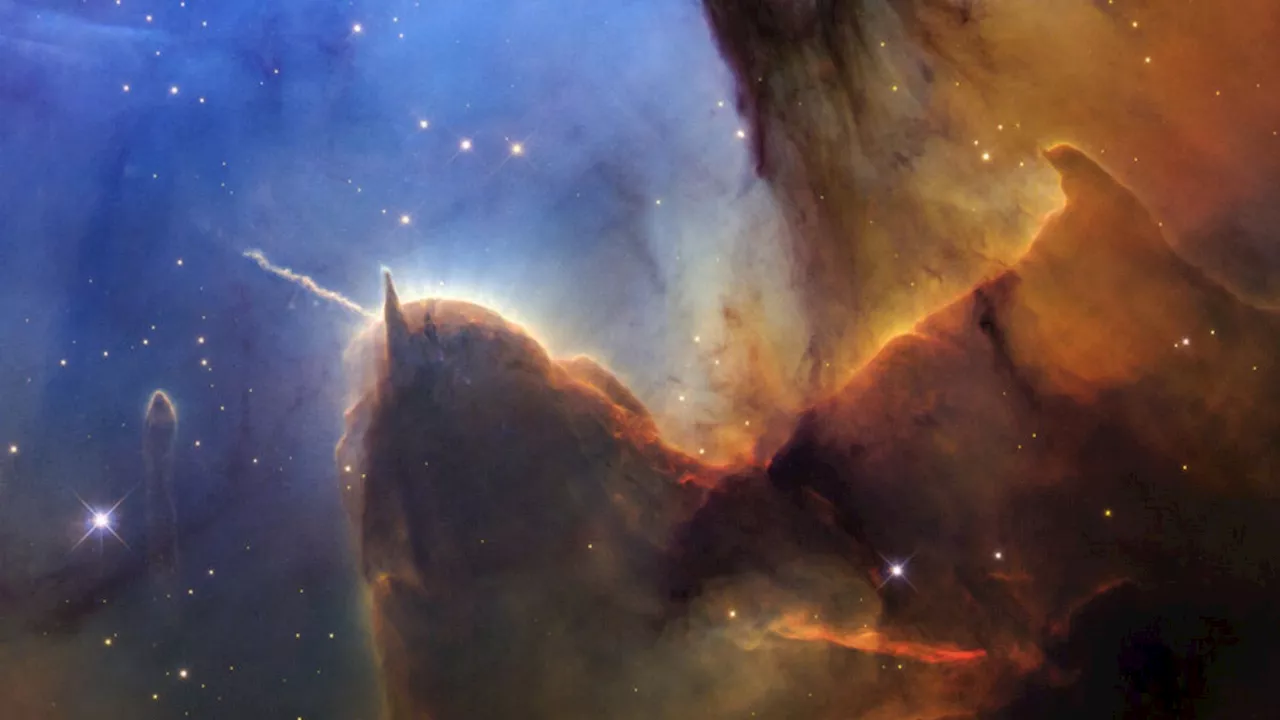
The Hubble Space Telescope has delivered stunning, detailed images of the Trifid Nebula, revisiting it 30 years after initial observations. Nicknamed the “Cosmic Sea Lemon,” this star-forming region lies 5,000 light-years away and reveals intricate glowing ridges and jets sculpted by young massive stars.
These new images capture powerful stellar winds eroding gas and ejecting matter at high speeds. Such observations deepen astronomers’ understanding of stellar birth and evolution. Additionally, Hubble’s 25-year comparison of the Crab Nebula has unveiled dramatic changes in this famous supernova remnant, spotlighting the dynamic lifecycle of stars.
The nebula’s freshly observed features include the expansion of energetic jets from a baby star inside, enabling precise estimates of their speed and energy output—critical clues for astrophysicists decoding how stars shape their environment. Bright orange stars scattered throughout the nebula indicate those that have cleared their surroundings, a process ongoing over millions of years.
Breakthroughs Beyond Space: Artificial Neurons and Ancient Literary Finds
In fields beyond astronomy, researchers have announced the creation of artificial neurons, a landmark step toward bio-integrated technologies that may revolutionize treatments for neurological disorders. This advance could fundamentally change medicine, offering hope for conditions that currently lack effective therapies.
Meanwhile, an astonishing archaeological discovery has unearthed a copy of the Iliad hidden within an Egyptian mummy, shedding new light on ancient cultural exchanges and literary traditions. This find expands our understanding of historical connections across civilizations.
Ongoing Battles: Brain-Eating Amoebas and Global Health Threats
The search intensifies for effective treatments against brain-eating amoebas, rare but deadly infectious organisms. Public health officials urge vigilance as this battle underscores the ongoing threat from uncommon but catastrophic diseases affecting communities across the US, including Alaska.
Why This Matters Today: From Alaska to the Cosmos
The unprecedented cosmic map not only pushes humanity’s knowledge of the universe’s vastness but also underscores our planet’s vulnerability amid drastic climate shifts signaled by the AMOC. For Alaskan readers, this combination of cosmic discovery and environmental emergency highlights the urgent need to monitor both outer space and Earth’s fragile systems.
As scientific missions like Artemis II deliver powerful human perspectives coupled with spectacular lunar imagery, and Hubble’s deep-space observations reveal the dynamic forces shaping distant nebulae, the flow of discovery accelerates. Meanwhile, breakthroughs in neuroscience and archaeology remind us that the frontiers of knowledge span both the stars and human history.
Stay connected to The Alaska Insider for real-time updates on these evolving stories, from cutting-edge space science to critical climate developments impacting Alaska and the nation.