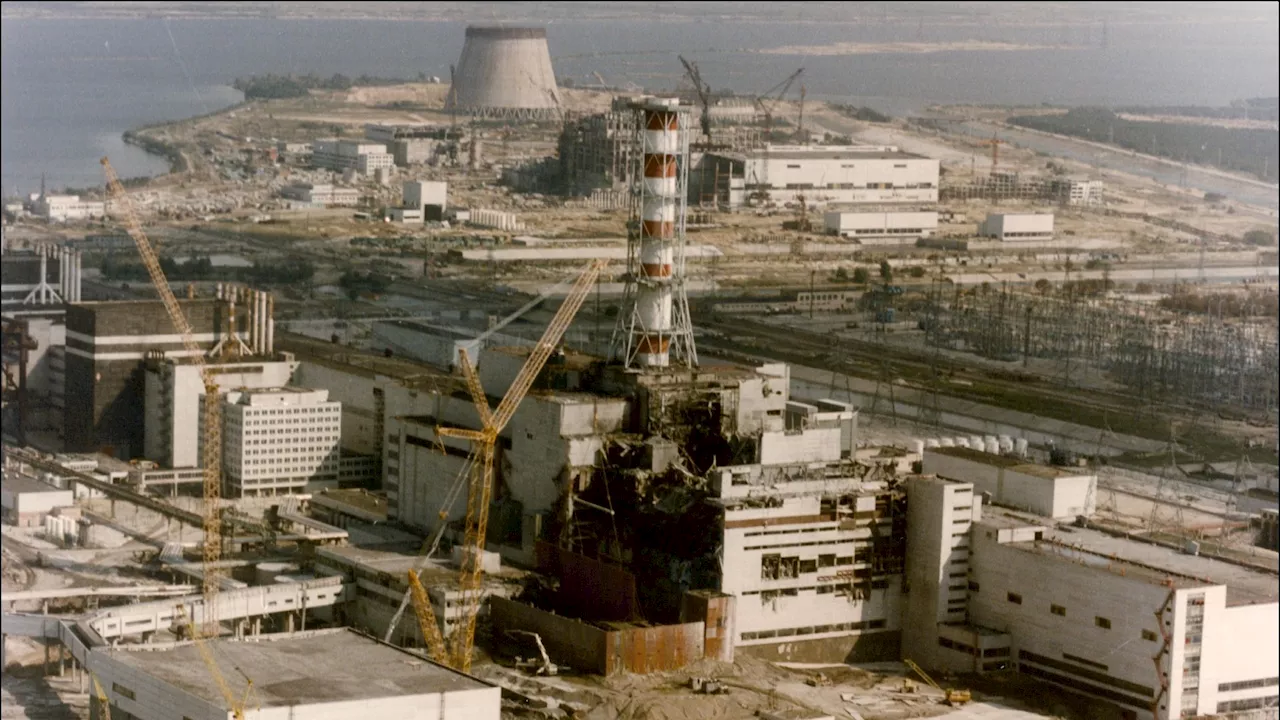
Chernobyl Disaster’s Fatal Test Errors Exposed Decades Later
The catastrophic nuclear meltdown at Chernobyl Nuclear Power Plant was triggered during a flawed safety test that spiraled out of control due to dangerous procedural errors and operational failures, recent reports confirm. This disaster, which remains one of the worst nuclear accidents in history, resulted from a power surge caused when operators removed nearly all control rods in a desperate attempt to stabilize the reactor.
The incident began with a safety test aimed to verify if turbines could maintain coolant circulation during a power outage until back-up generators activated. However, restrictions imposed by the Kyiv-based electricity grid operator prevented a full reactor shutdown. Compounding the issue, a less experienced night crew resumed the test without stabilizing the reactor, leading to a chain of catastrophic decisions.
The operators’ last-ditch move to pull out almost all control rods backfired horrifically when the rods jammed during a final emergency attempt, unleashing a runaway nuclear reaction. The resulting explosions forced widespread evacuation and caused numerous immediate fatalities, while the plant’s molten core, known as the “Elephant’s Foot,” remains one of the most radioactive spots on Earth within the exclusion zone.
Although Soviet authorities initially attempted to cover up the disaster, elevated radiation levels detected across Europe forced the truth into the open. Early official reports maintained no significant cancer increases; however, experts now warn of lingering long-term health effects. Today, the Chernobyl site serves as a haunting reminder of nuclear danger and, unexpectedly, has become a refuge for wildlife.
NASA Unveils Ambitious $20 Billion Lunar Base and Nuclear Spacecraft
In a bold push for space exploration, NASA announced plans for a $20 billion lunar base and the development of a nuclear-powered interplanetary spacecraft. These advancements are central to NASA’s upcoming Artemis II mission, aimed at paving the way for sustained human presence beyond Earth.
The proposed lunar base will serve as a strategic hub for research, deep space operations, and preparation for missions to Mars and beyond. The nuclear propulsion technology promises faster, more efficient travel across the solar system, marking a significant leap in space travel capabilities that could revolutionize exploration within this decade.
Alongside space-related news, scientists continue to grapple with profound existential threats to humanity’s survival. Theoretical physicists highlight slim odds of mankind enduring another 50 years due to unresolved challenges unifying fundamental physical forces.
Other Striking Science Developments
Additional recent reports include startling observations of faster-than-light darkness and surprising evolutionary changes in humans. Interestingly, endangered polar bears have been found gaining weight despite their threatened status, suggesting complex ecological shifts in the Arctic.
Meanwhile, dramatic events across the U.S. captured the public’s attention. A cannonball-sized meteorite crashed through a home in Texas amid multiple “fireball” sightings, underscoring the tangible risk posed by space debris to communities on the ground. Elsewhere, a harrowing tornado survival account reminds Americans of the unforgiving force of nature.
The science behind everyday phenomena is also coming into sharper focus, including revelations about the cannabis “munchies” effect and ongoing environmental assessments of conflict zones such as Iran.
Why This Matters NOW
For readers in Alaska and across the United States, the revelations from the Chernobyl disaster underscore ongoing nuclear safety concerns, especially as new nuclear technologies emerge. NASA’s lunar ambitions emphasize the urgent momentum in space exploration, signaling new frontiers that will capture public interest and scientific innovation in 2026 and beyond.
As climate pressures mount in the Arctic and across the globe, understanding evolving wildlife trends like the polar bears’ unexpected weight gain informs conservation strategies critical to Alaska’s environment. With meteorite impacts and severe weather events increasing public safety priorities, scientists and policymakers face mounting pressure to address these complex risks.
The combined urgency from nuclear history, space ambitions, and environmental shifts demands immediate attention and action. Follow The Alaska Insider for ongoing coverage of these rapidly unfolding stories driving science and safety conversations nationwide.