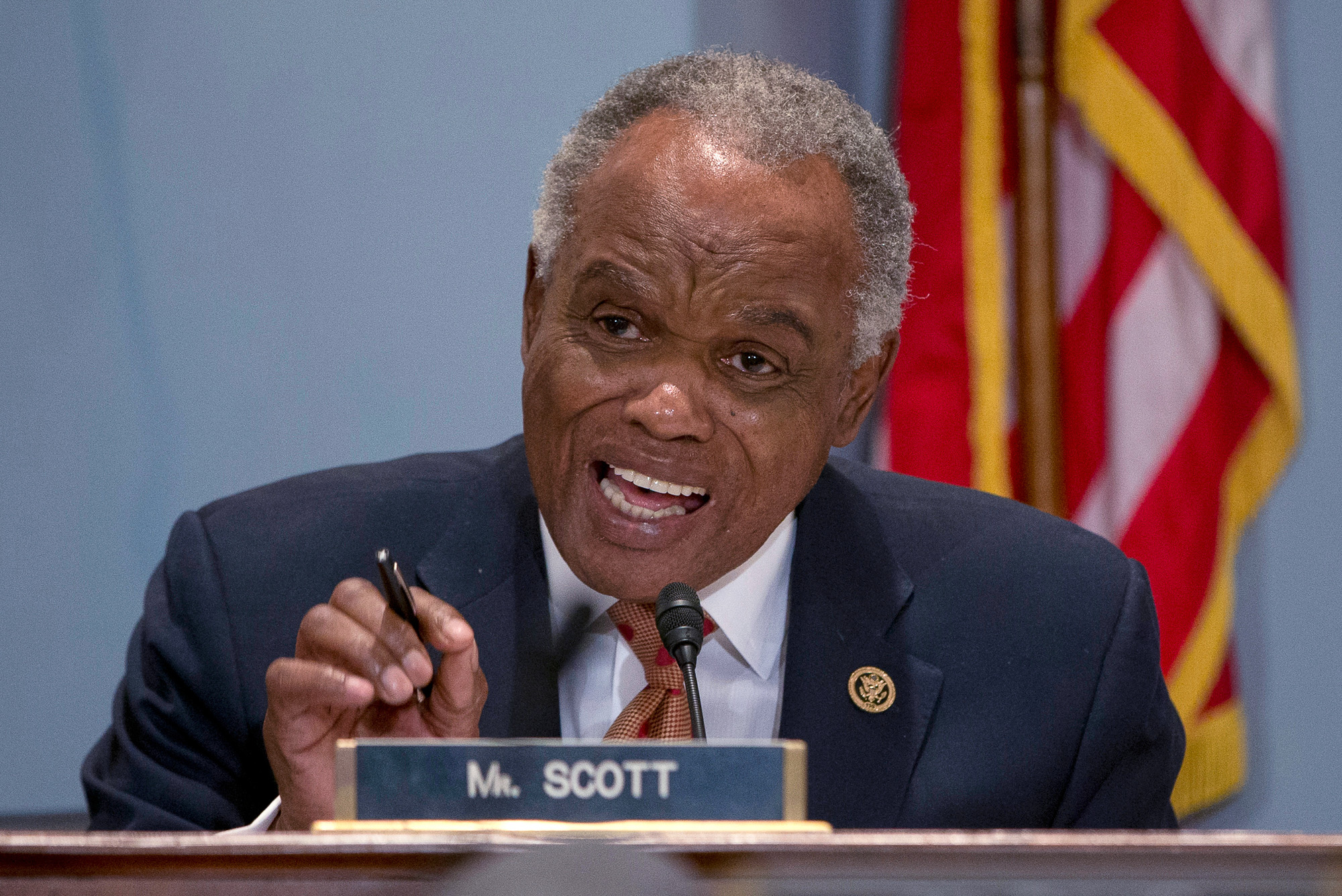
Flags Fly at Half-Staff for Rep. David Scott, Georgia’s Trailblazing Agriculture Leader
In a solemn tribute at the White House on April 22, 2026, flags were lowered to half-staff to honor Rep. David Scott, the revered Georgia Democrat and first African American chair of the House Agriculture Committee, who passed away at age 80. Scott’s death marks the end of a distinguished congressional career spanning more than two decades.
Scott, who represented Georgia’s 13th Congressional District for 12 terms since his initial election in 2002, was celebrated as a tireless champion for farmers, veterans, homeowners, and historically Black colleges and universities. His life story began on a segregated farm in rural South Carolina, giving him a deeply personal perspective on agriculture that shaped his groundbreaking leadership in Washington.
Congressional Black Caucus Mourns a Leader and Mentor
The Congressional Black Caucus issued statements mourning Scott as a “leader, mentor, and dear friend” who never ceased advocating for Black Americans and rural communities until his final days. His 2021 appointment as the first Black chair of the House Agriculture Committee marked a historic milestone, symbolizing progress in representation and influence within a traditionally underrepresented sector.
“Rep. Scott’s legacy is as rich as the farmland he fought to protect,” said Ebony McMorris, White House correspondent for American Urban Radio Networks. Her coverage highlighted Scott’s decades-long service and his impact on national agricultural policy, economic opportunity for farming communities, and support for veterans.
A Legacy Rooted in Service and Advocacy
David Scott’s decades in Congress were defined by unwavering dedication to improving conditions for rural Americans and Black communities. His work helped secure funding and resources for historically Black colleges and universities, expanded veterans’ housing opportunities, and sustained critical agricultural programs.
Scott’s passing is a significant loss not only for Georgia but for Washington policymakers and farmers nationwide who relied on his knowledge and advocacy. In Alaska and across the United States, his legacy underscores the vital connection between rural heritage and national policy.
With flags still lowered in mourning, national leaders are expected to pay further tribute in upcoming days while Scott’s colleagues prepare to carry forward his mission in Congress.
What to Watch Next
Attention now turns to who will lead the House Agriculture Committee and how Scott’s absence will reshape ongoing legislative priorities affecting rural economies. Scott’s death also spotlights the continuous need for diverse leadership in shaping policies that sustain farming and rural communities nationwide.
For the latest updates on this developing story, follow trusted news sources and official statements from Congress and the White House.