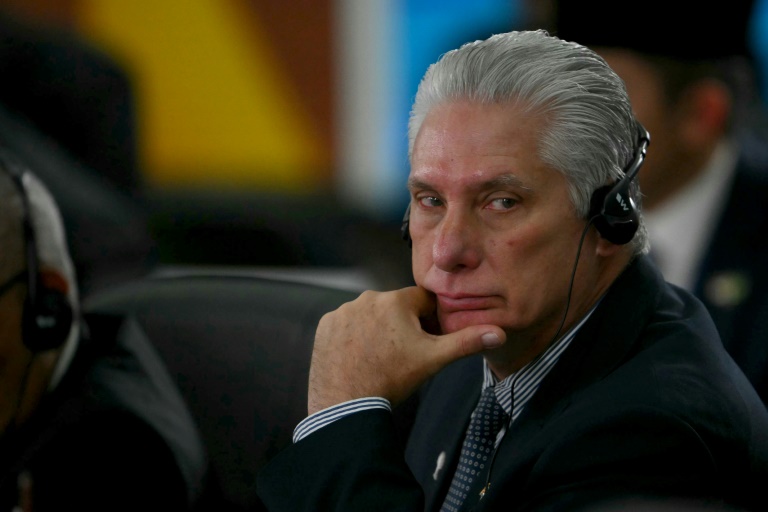
Cuban President Miguel Diaz-Canel has confirmed that discussions with the Trump Administration are underway, marking a significant moment in U.S.-Cuba relations. This announcement comes after weeks of speculation regarding the potential for renewed dialogue between the two nations. During a government meeting broadcast on Friday morning, Diaz-Canel stated that the talks aim to address and resolve bilateral differences through constructive dialogue.
The Cuban leader emphasized that the primary objective of these discussions is to “identify the bilateral problems that require solution based on their severity and impact.” He noted that the conversations will also focus on finding tangible solutions to the identified issues. “Furthermore,” he added, “the talks aim to determine the willingness of both sides to take concrete actions for the benefit of the people of both countries.”
These remarks follow increasing reports of contacts between the two governments, with the U.S. side appearing more willing to publicize the discussions. Speaking on the White House lawn last week, President Donald Trump remarked, “The Cuban government is talking with us.” He indicated that Cuba is facing significant challenges, stating, “They have no money. They have nothing right now. But they’re talking with us.”
In a somewhat controversial statement, Trump suggested that the situation could lead to a “friendly takeover of Cuba.” He also hinted at potential changes within the country by the end of the month, coinciding with ongoing U.S. efforts to restrict fuel supplies to the island.
During a ceremony involving the players of Inter Miami, champions of Major League Soccer, Trump addressed Cuban-American businessman Jorge Mas Santos, indicating that he would soon be able to return to Cuba without needing formal approval. “You are going to go back and won’t need my approval, you just fly back in,” Trump said. “I just want to wait a couple of weeks, but we’ll be together again soon, I suspect, celebrating what’s going on in Cuba.”
The current discussions signal a potential thawing of relations between the United States and Cuba, which have been strained for decades. As both governments navigate these complex issues, the focus remains on finding cooperative approaches that benefit citizens on both sides.