The National Oceanic and Atmospheric Administration (NOAA) has announced significant scientific advancements in its 2025 Science Report, highlighting new initiatives aimed at enhancing weather forecasting and environmental stewardship. Among the breakthroughs are the launch of a satellite designed for space weather monitoring, innovative data collection technologies for hurricane forecasting, and initiatives to protect marine ecosystems.
New Satellite Enhances Space Weather Monitoring
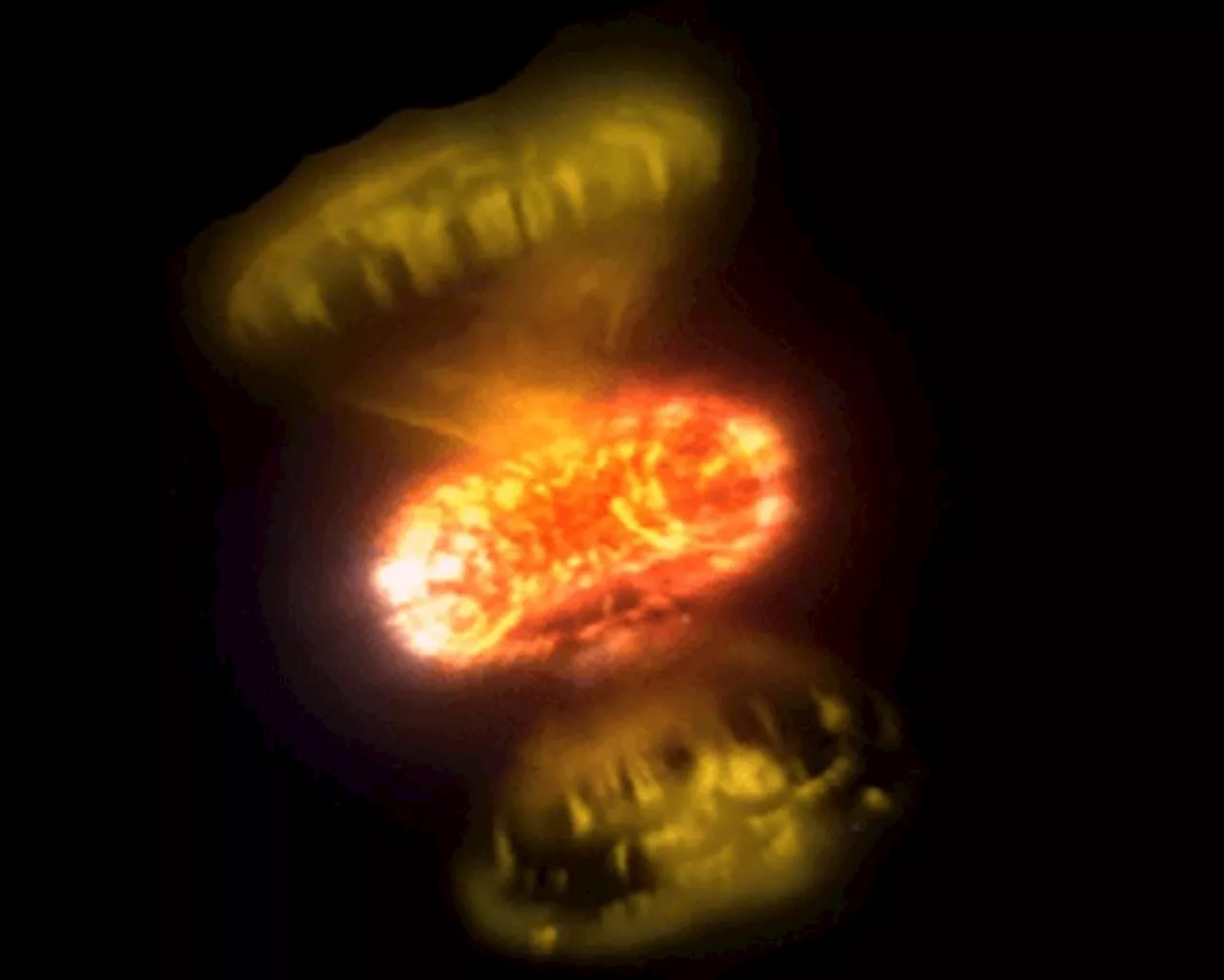
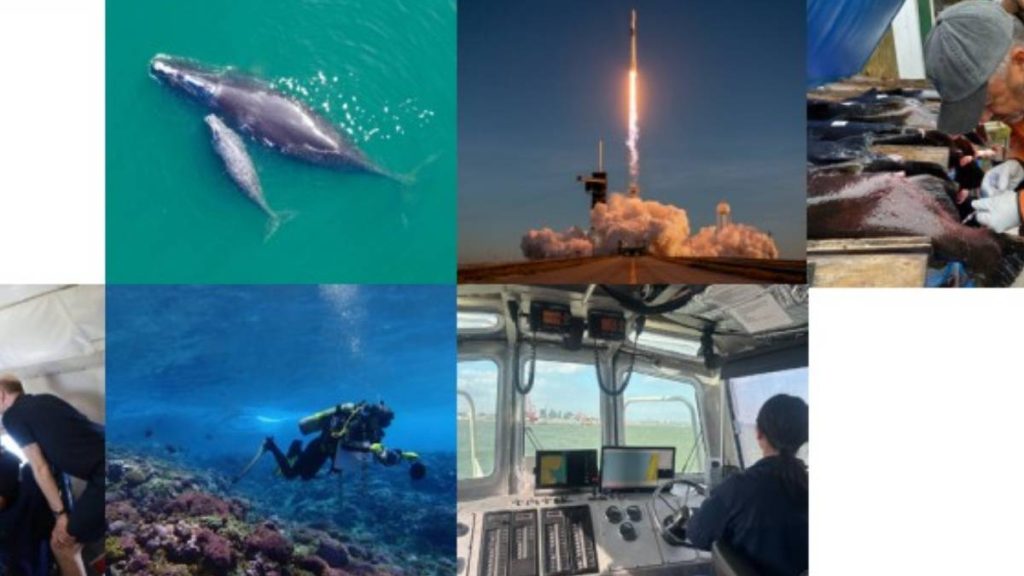
In a groundbreaking move, NOAA launched the Space Weather Follow On-Lagrange 1 observatory in September 2025 from Kennedy Space Center in Florida. This satellite, now named Space weather Observations at L1 to Advance Readiness – 1 (SOLAR-1), represents America’s first dedicated satellite for continuous space weather observations. Equipped with instruments like the Compact Coronagraph-2, SOLAR-1 serves as an early warning system for solar events such as coronal mass ejections that could impact Earth.
These solar phenomena can disrupt astronaut safety, aviation, and electrical grids, among others. The data collected by SOLAR-1 will bolster alerts and forecasts issued by NOAA’s Space Weather Prediction Center, aiding sectors such as agriculture, defense, and human spaceflight.
Rapid Response to California Wildfires
Amid the 2025 Los Angeles fires, NOAA researchers acted swiftly to assess environmental impacts by collecting debris and water samples off the California coast. This rapid response involved modifying an ongoing fisheries survey aboard the NOAA Ship Reuben Lasker to gather crucial data about the effects of ash and contaminants on ocean ecosystems.
The information gathered is vital for understanding the implications of wildfires on some of the United States’ most productive marine environments, which are essential for both commercial and recreational fisheries.
Innovative Technologies for Hurricane Research
NOAA has also tested new technologies that have revolutionized data collection during hurricanes. In collaboration with partners, the agency deployed the Black Swift S0 drone, which successfully gathered atmospheric data from the lower levels of tropical cyclones. This drone broke previous records for data collection in extreme weather situations.
Additionally, the Skyfora StreamSonde, an ultra-lightweight instrument released from aircraft, provided detailed atmospheric data during Hurricane Melissa, where one dropsonde recorded a wind gust of an unprecedented 252 mph. The agency is also evaluating the Dragoon Coriolis, a low-cost uncrewed aircraft capable of being remotely launched into hurricanes.
In a remarkable achievement, the uncrewed surface vehicle C-Star transmitted vital data from the ocean surface during Category 5 Hurricane Humberto, showcasing the potential of autonomous systems in extreme weather research.
AI and Satellite Technology for Marine Conservation
NOAA is employing advanced satellite technology and artificial intelligence through its Geospatial Artificial Intelligence for Animals initiative. This program aims to detect marine life from space, significantly aiding the conservation of endangered species such as the North Atlantic right whale, which has a population of fewer than 380 individuals.
By accurately identifying whale locations, scientists can implement protective measures without imposing broad restrictions that could negatively affect maritime workers’ livelihoods. This initiative represents a successful collaboration among NOAA, the Naval Research Laboratory, the U.S. Geological Survey, and Microsoft AI for Good.
Autonomous Vehicles Monitor Harmful Algal Blooms
In another significant development, NOAA has launched the Seasats Lightfish, an autonomous surface vehicle designed to detect harmful algal blooms offshore. Deployed off the coast of Washington state, this vehicle can gather samples before harmful effects reach inshore areas, protecting both fish and human health.
Traditional sampling methods can be costly and labor-intensive, but the Seasats Lightfish can operate up to 100 nautical miles on a single solar charge, allowing for more frequent and efficient monitoring of potentially toxic conditions.
The 2025 NOAA Science Report underscores the agency’s commitment to advancing scientific research and technology while addressing the impacts of hazardous weather and promoting sustainable ocean and coastal resource management.