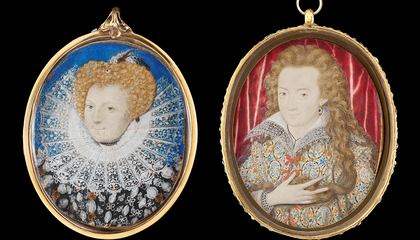
Recent discoveries by art historians have unveiled a collection of previously unknown portrait miniatures created by Nicholas Hilliard, the favored artist of Elizabeth I. These intimate artworks, exchanged as tokens of love among the Tudor court, are now shedding light on personal relationships and cultural practices of the 16th century.
Hilliard, renowned for his intricate miniatures, has long been a focal point in the study of Renaissance portraiture. His works not only captured the likenesses of royal figures but also served as symbols of affection and loyalty. New research, particularly from the National Portrait Gallery in London, highlights the significance of these miniatures in understanding the dynamics of Tudor relationships.
Art historians have meticulously examined existing collections and unearthed additional pieces that had remained hidden for centuries. This research emphasizes how these miniatures were often exchanged between lovers and family members, serving as personal artifacts with deep emotional resonance. The revelations contribute to a broader understanding of social customs during the Tudor period.
A pivotal aspect of this study is the examination of the materials and techniques Hilliard employed. His use of vibrant colors and meticulous detail not only elevated the art form but also reflected the status and sentiments of the subjects. The exploration of these miniatures has sparked renewed interest in Hilliard’s oeuvre, prompting scholars to reassess his impact on portrait art.
In 2023, the National Portrait Gallery plans to showcase a selection of these newly identified miniatures in a significant exhibition. This initiative aims to engage the public and provide insights into the personal narratives encapsulated within these artworks. Visitors will have the opportunity to view the miniatures alongside historical context, enhancing their appreciation of Tudor art and relationships.
As more miniatures come to light, the implications for understanding Tudor history grow. Each piece offers a glimpse into the lives and emotions of its subjects, fostering a connection to a time long past. The ongoing research serves not only to enrich the field of art history but also to illuminate the human experiences that shaped the Tudor court.
The focus on Hilliard’s miniatures also extends to discussions about their preservation and display. Conservators are keenly aware of the delicate nature of these artworks, which require specialized care to ensure their longevity. The attention to preservation techniques reflects a commitment to maintaining the cultural heritage represented by these significant pieces.
Overall, the resurgence of interest in Tudor portrait miniatures exemplifies the power of art to convey personal stories and cultural values. As historians and curators unlock the secrets of these intimate tokens, they continue to enrich our understanding of the past, providing a window into the lives of those who once inhabited the Tudor court.