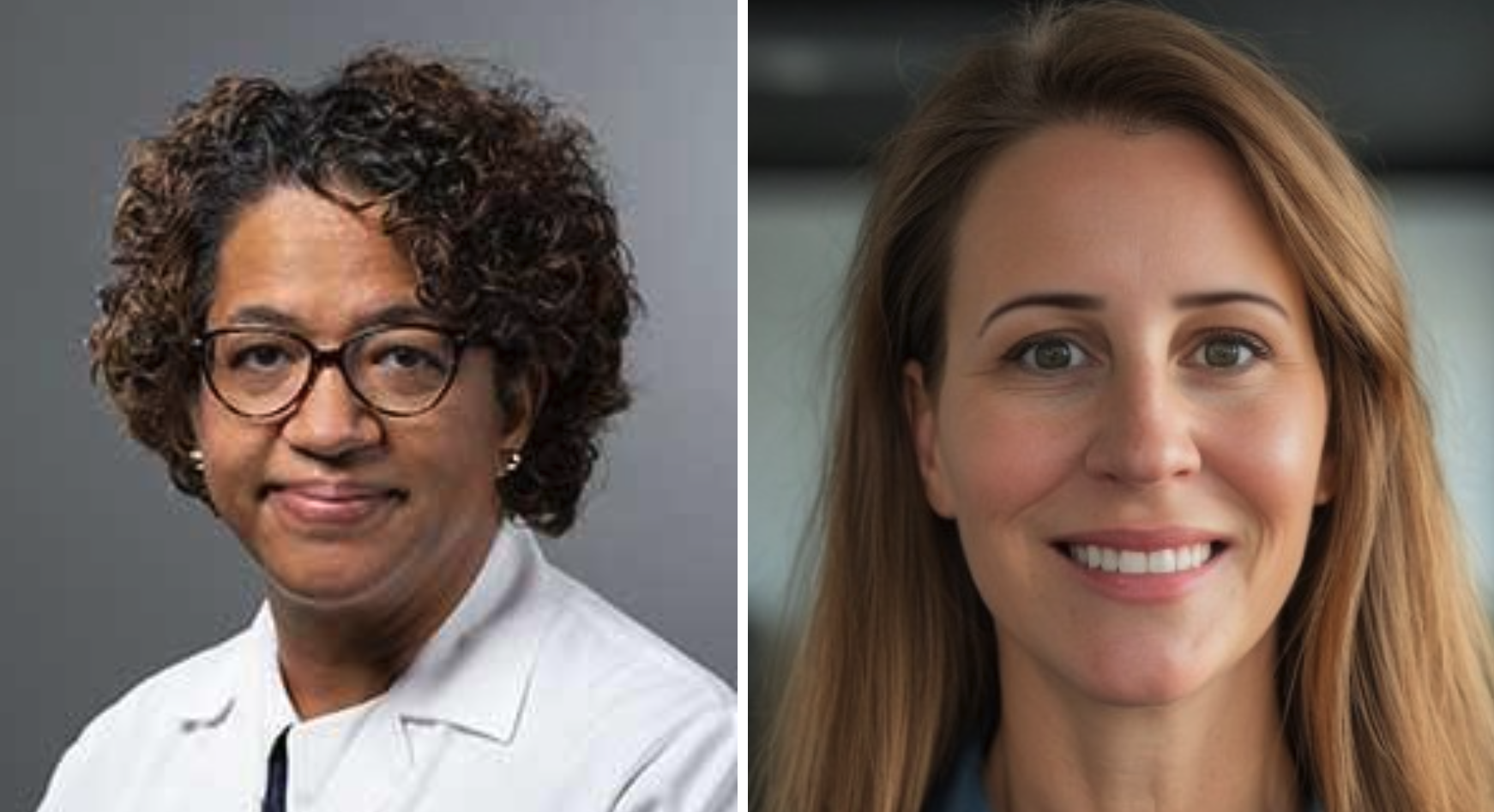
Clergy leaders in Greater Cleveland are urging a reconsideration of plans to establish a new Level I trauma center by the Cleveland Clinic Foundation. In a joint statement, Elder Dr. Vincent E. Stokes II and The Rev. Jimmy Gates emphasize the need for a coordinated approach to trauma care, rather than proceeding with isolated developments that could destabilize existing services.
For over three decades, MetroHealth Medical Center has served as the city’s primary Level I trauma center, providing essential services such as burn care, trauma recovery programs, and life-saving prevention initiatives. The clergy argue that trauma care in Cleveland extends beyond hospital services; it is a well-integrated public health system that directly impacts communities struggling with violence, accidents, and health disparities.
The pastors express their support for innovation but assert that a pause is necessary. They call for the three main health systems — the Cleveland Clinic, MetroHealth, and University Hospitals — to collaborate on a unified trauma strategy. The clergy warn that effective trauma systems are built on collaboration and data-driven decision-making, essential for maintaining high standards of patient care.
Concerns have been raised regarding reports of recruitment efforts targeting MetroHealth’s trauma staff in relation to the new center. The clergy highlight that trauma teams develop their skills through experience and trust, and that disrupting established teams could have detrimental effects on patient outcomes.
There is also apprehension about the potential impact on residency programs in Emergency Medicine, which rely on partnerships between institutions to train future healthcare professionals. Weakening these collaborative efforts could jeopardize the quality of care and workforce stability in the region.
These concerns echo warnings previously issued by Jeffrey Claridge, a former leader at MetroHealth’s trauma center, now affiliated with the Cleveland Clinic. He cautioned that unchecked growth of independent trauma centers without regional coordination could lead to a “costly collision,” undermining the integrity of trauma care.
Dr. Stokes and Rev. Gates emphasize that their perspective on trauma care is rooted in human dignity. They argue that every policy decision impacts individuals in crisis — whether they are mothers, teenagers, workers, or neighbors. When systems are destabilized, the most vulnerable populations bear the brunt of the consequences.
A request for a pause in implementation is framed not as an obstruction but as a prudent step toward ensuring that the health systems can come together to share data, protect workforce stability, and enhance the existing trauma network. The clergy urge the Cleveland Clinic to halt its plans temporarily and engage in transparent discussions with MetroHealth and University Hospitals.
The appeal is based on a commitment to the health and well-being of the Cleveland community. The clergy assert that collaboration, grounded in humility and good faith, fosters community resilience. In contrast, competition in critical healthcare matters can heighten risks.
By prioritizing coordinated efforts over fragmented initiatives, the clergy believe that Cleveland can maintain a robust trauma care system that continues to save lives. They call for a collective focus on the needs of the community and the imperative to safeguard the health of all residents.
Elder Dr. Vincent E. Stokes II serves as Pastor of New Sardis Primitive Baptist Church and is a civic leader committed to improving public health and collaborative governance. The Rev. Jimmy Gates is Pastor of Zion Hill Baptist Church and focuses on strengthening community partnerships throughout the region.