Recent experiences reveal that historical stereotypes continue to harm individuals today, particularly among Black communities. Incidents of racial profiling, where individuals are unfairly judged based on the color of their skin, highlight the deep-seated biases that persist in society. One such example involves a personal encounter in a retail store, where a shopper felt targeted due to their race, only to be followed until their white family members arrived. This incident underscores a troubling reality: pervasive stereotypes about Black individuals, including the unjust perception that they are more likely to engage in theft.
Historical Context of Racial Stereotypes
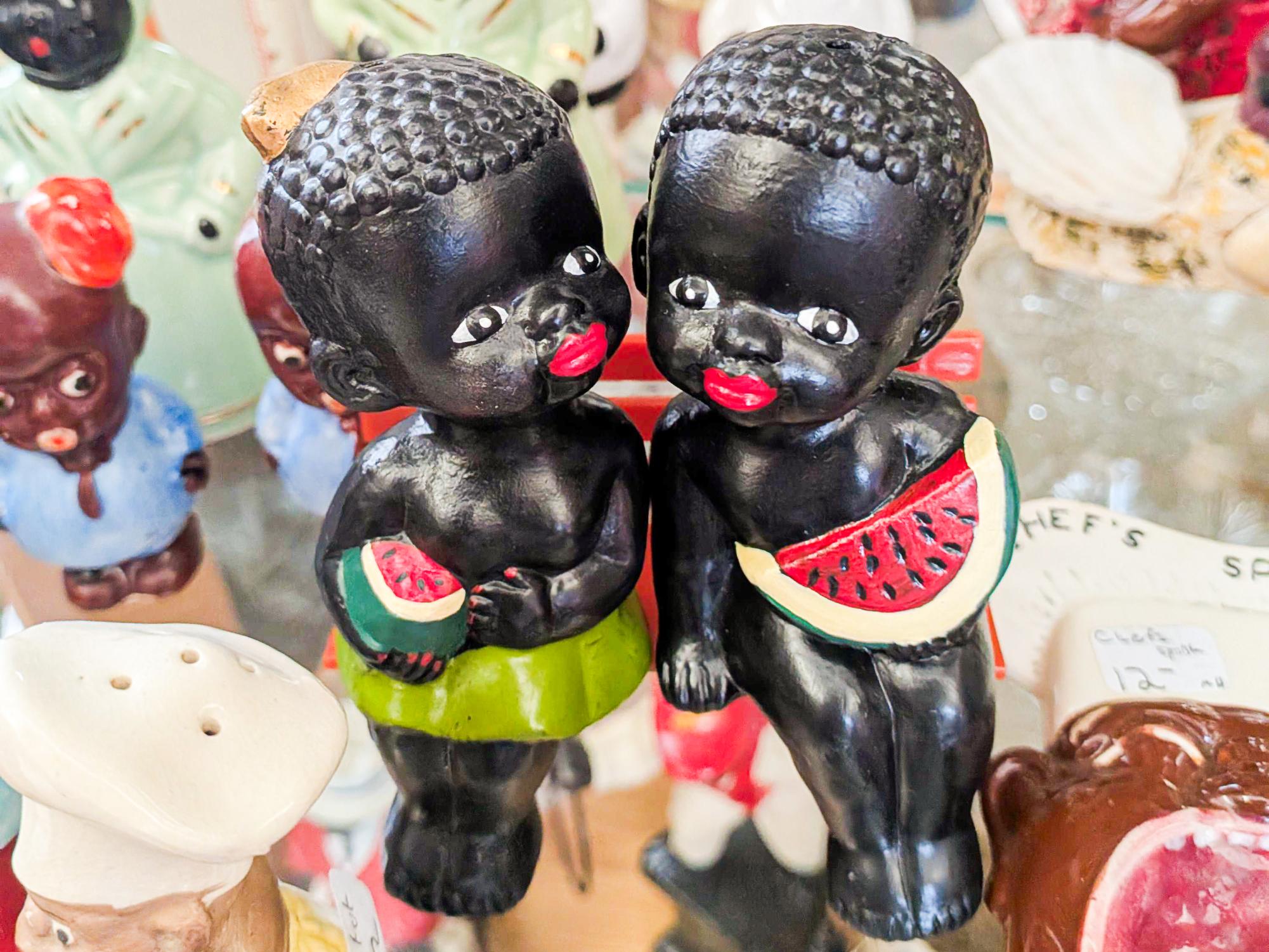
The roots of these stereotypes stretch back to the era of slavery and were exacerbated by cultural representations, such as minstrel shows. These performances portrayed Black individuals as lazy, ignorant, and comical, reinforcing damaging beliefs. Figures like the “Mandingo,” depicting a hypersexualized Black man, further entrenched the idea that Black individuals are animalistic and uncontrollable. Such portrayals contributed to stereotypes of aggression and hypersexuality that continue to influence perceptions today.
The narrative surrounding Black individuals has evolved, but many stereotypes remain. For instance, the notion that Black athletes are inherently superior has led to assumptions that they gain admission to educational institutions primarily through sports rather than academic achievements. This flawed perception can detract from the accomplishments of Black students, suggesting their successes are due to race rather than merit.
Impact on Mental Health and Social Interactions
For Black women, the historical representations have also been damaging. Caricatures such as the “Sapphire” and “Jezebel” depict them as angry and overly sexualized. This duality manifests itself in contemporary media, where Black women are often relegated to narrow roles, such as the “loud Black best friend” or the “angry Black woman.” These portrayals can result in significant social consequences. Research indicates that many Black women avoid seeking mental health support due to fear of being typecast as angry or confrontational.
Moreover, stereotypes linking Black individuals to drug use and crime have been perpetuated since the late 1960s during the War on Drugs. These associations can lead to harmful narratives and judgments, as seen in personal anecdotes where the arrest of a Black family member is met with disdain, reinforcing a hierarchy based on race.
In today’s society, these stereotypes can create a palpable sense of distrust. Many Black individuals report feeling that they must exert extra effort to gain the same respect and opportunities afforded to their white counterparts. The daily burden of navigating these biases can diminish the sense of security and belonging within public spaces.
Encounters of racial profiling and the weight of historical stereotypes contribute to an ongoing cycle of mistrust and discrimination. The next time individuals find themselves in a similar situation, it is crucial to challenge these biases and recognize the humanity of others, beyond the stereotypes that society may impose.
Addressing these enduring stereotypes requires a collective effort to foster understanding and empathy, ensuring that individuals are seen for their true selves rather than through the lens of outdated and harmful beliefs. By confronting these biases, society can move toward a more equitable future for all.