The ongoing federal antitrust trial against Live Nation and its subsidiary Ticketmaster has unveiled serious allegations from various venue owners. They claim that Live Nation has used its market dominance to intimidate venues, discouraging them from switching ticketing services to competitors. This testimony emerged as witness accounts, including those from former BSE Global CEO John Abbamondi, highlighted concerning practices in the live events industry.
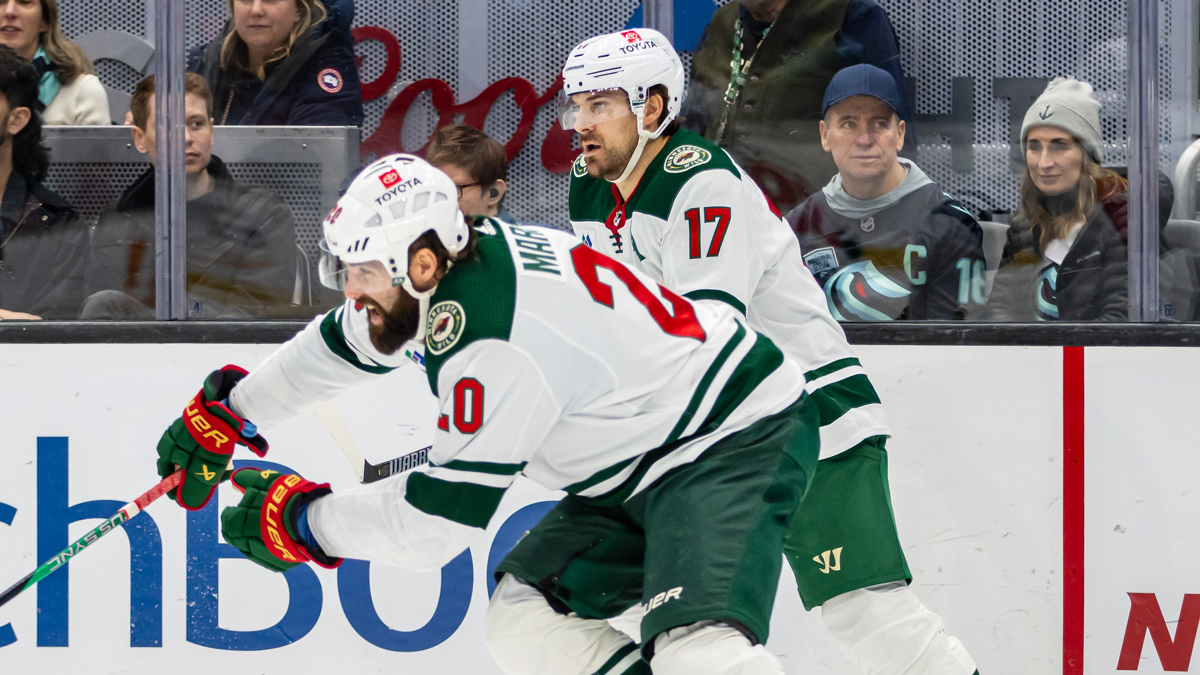
During the trial, Mitch Helgerson, Chief Revenue Officer for the Minnesota Wild, shared his experience regarding a potential partnership with SeatGeek. While negotiating a new contract, Helgerson revealed that a Ticketmaster executive issued a warning: if the Minnesota Wild pursued a deal with SeatGeek, Live Nation could relocate its shows to rival venues. Helgerson described this threat as “credible” and indicated that losing such events would be “catastrophic” for the team.
Despite the potential for an additional $1 million in revenue annually through the SeatGeek proposal, the Minnesota Wild ultimately chose to remain with Ticketmaster. This decision raises questions about the influence Live Nation wields over venues and ticketing options. The emergence of a term like “Live Nation retaliation insurance” among competitors suggests a culture of fear that reinforces claims of monopolistic behavior.
Live Nation has vehemently denied these accusations. During cross-examination, the defense emphasized the challenges of switching ticketing platforms, stating that SeatGeek had “real usability shortcomings.” They also pointed out Abbamondi’s pre-existing relationships with SeatGeek executives as a potential bias in his testimony. Nonetheless, these arguments do not fully address the circumstances surrounding the Billie Eilish concert, which was ultimately moved from the Barclays Center to a location over 20 miles away, allegedly due to pressure from Live Nation.
As the trial progresses, which is expected to last approximately six weeks, the jury will consider whether Live Nation’s actions constitute an abuse of its market position. The government’s case hinges on proving that Live Nation’s influence allows it to effectively coerce industry players into compliance. Early testimonies from Abbamondi and Helgerson suggest a challenging road ahead for Live Nation, as these revelations paint a troubling picture of the live events landscape.
The outcome of this high-profile trial could have significant implications for the future of ticketing and the balance of power within the concert and events industry. With the stakes high, the coming weeks will prove pivotal in determining whether the government can substantiate its claims against one of the most significant players in the market.