Researchers at the Stowers Institute for Medical Research in Kansas City, Missouri, have made a significant breakthrough in understanding infertility by identifying the precise fusion point of a chromosome variant linked to reproductive issues. This variant, known as a Robertsonian translocation, occurs when two chromosomes fuse into one, affecting approximately one in 800 individuals. While many who carry this variant are otherwise healthy, they may be at a higher risk for infertility and recurrent pregnancy loss.
The Robertsonian chromosome was first discovered in 1916 in grasshoppers. Over a century later, Jennifer Gerton, an investigator at the Stowers Institute, announced that her team has located the specific point of this unusual chromosomal bond. “I think what is really exciting is with this knowledge, we have new ways to study these chromosomes,” Gerton remarked.
Utilizing artificial intelligence technology, researchers uncovered that previously overlooked DNA plays a crucial role in the chromosomal fusion. “We’re realizing that that’s what’s leading, for instance, to lots of these structural changes in chromosomes that can happen,” Gerton explained. This new understanding highlights the significance of what is often termed “junk DNA.”
The implications of this discovery extend beyond infertility. Gerton noted, “We’re understanding something about how sets of chromosomes can evolve, and this could affect reproduction.” She also pointed out that the Robertsonian translocation can lead to both infertility and an increased propensity for conditions like Down Syndrome.
The impact of this research is particularly relevant for genetic counselors. Alex Widman, a genetic counselor at Blue Sky Fertility, stated that Robertsonian translocations are already a known factor in her field. “I would say it’s definitely common for me to counsel about Robertsonian translocations,” Widman said, estimating that around 2% to 5% of patients with recurrent pregnancy loss may have this variant.
Widman expressed optimism about the new research, saying it opens avenues for further studies, allowing for better characterization of the variant and more precise counseling for patients.
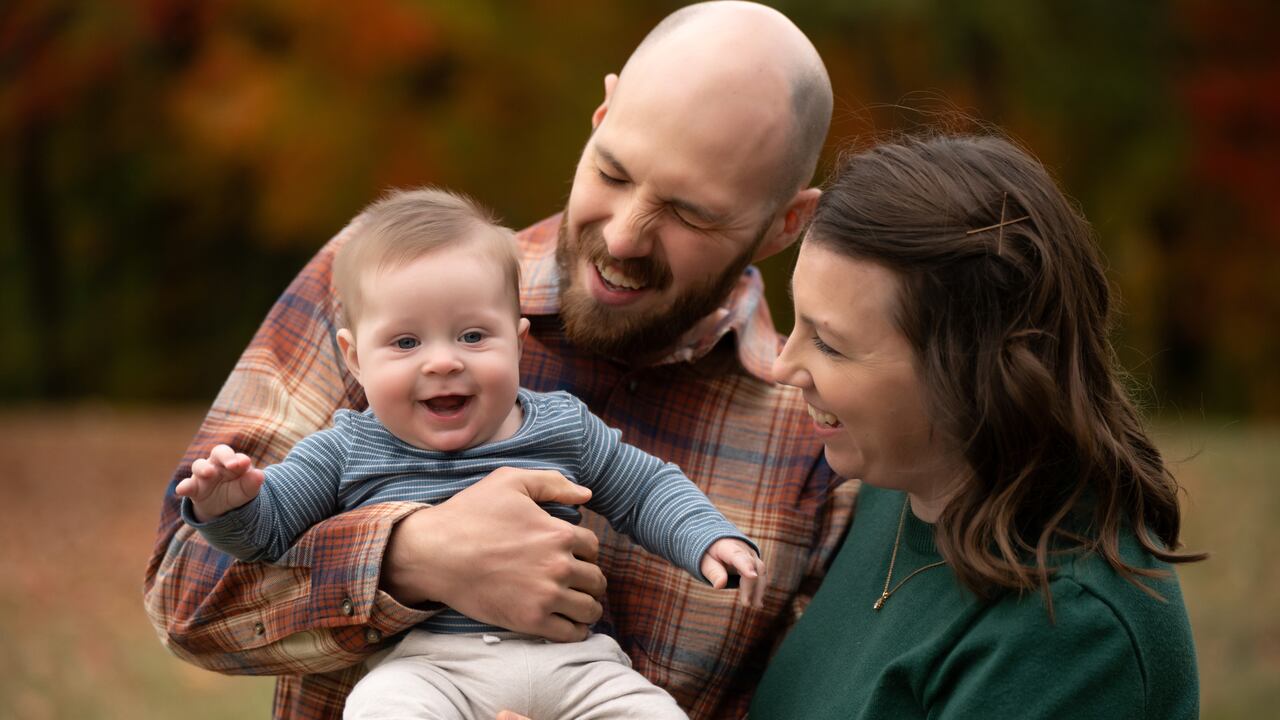
The personal experiences of patients underscore the importance of this research. Amber and Alex Fletcher faced a challenging six and a half years in their journey to parenthood, involving in vitro fertilization (IVF), multiple egg transfers, and four miscarriages. “It’s just a lot of broken expectations for what you expected life to look like,” Amber Fletcher shared. Despite exhaustive efforts, they often received vague explanations for their struggles, with doctors stating their situation was still considered unexplained.
Their son, William Fletcher, was born following their long quest. “I think that anything we can do to help understand why miscarriages happen and prevent them is amazing because that heartbreak is not something I would wish on anybody,” she reflected.
For patients experiencing unexplained infertility, a blood test can determine whether they carry the Robertsonian chromosome variant. Medical professionals encourage individuals in this situation to consult with a doctor or genetic counselor for further guidance.
The findings from the Stowers Institute represent a promising advancement in reproductive health, offering hope for those affected by infertility and a clearer understanding of chromosomal implications.