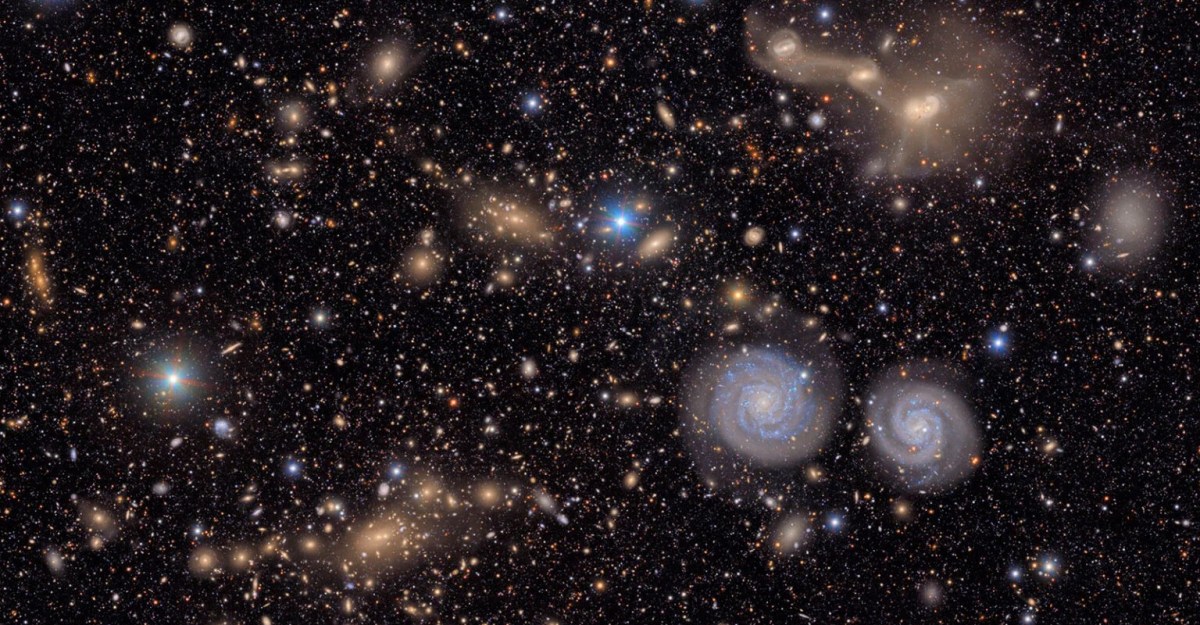
The Vera C. Rubin Observatory has officially launched its automated alert system, generating a remarkable 800,000 notifications on its inaugural night. This system, which went live publicly on February 24, 2024, is designed to notify astronomers of significant celestial events such as asteroids, supernovas, and black holes, with expectations that alerts will soon reach several million each night.
The observatory has been eagerly anticipated by both researchers and astronomy enthusiasts since it released the first images from its Legacy Survey of Space and Time (LSST) camera in June 2023. Each night, the camera captures around 1,000 images and compares them against a reference image taken when the telescope was first activated. This process allows for rapid identification of any changes in the night sky, with differences flagged automatically by the system.
Streamlining Celestial Observations
The alert system employs advanced algorithms capable of distinguishing between various celestial phenomena. Within minutes of capturing images, the system can identify potential supernovas and approaching asteroids, sending alerts to interested astronomers. This rapid response capability allows scientists to focus their efforts on ephemeral celestial events that require immediate attention.
To manage the sheer volume of notifications, the alert system includes filters. Researchers can sort alerts by event type, brightness, or the frequency of occurrences within a specific timeframe. This feature aims to prevent information overload as the observatory increases its discovery rate.
The Rubin Observatory is located in the Andes Mountains of Chile, a prime location for astronomical observations due to its clear skies and high altitude. As the observatory ramps up its operations, the astronomical community is poised to benefit significantly from the wealth of data generated by this cutting-edge technology.
In a statement, the observatory emphasized its commitment to enhancing the understanding of the universe through its innovative alert system. As this technology evolves, it is expected to facilitate groundbreaking discoveries and provide invaluable insights into the cosmos.