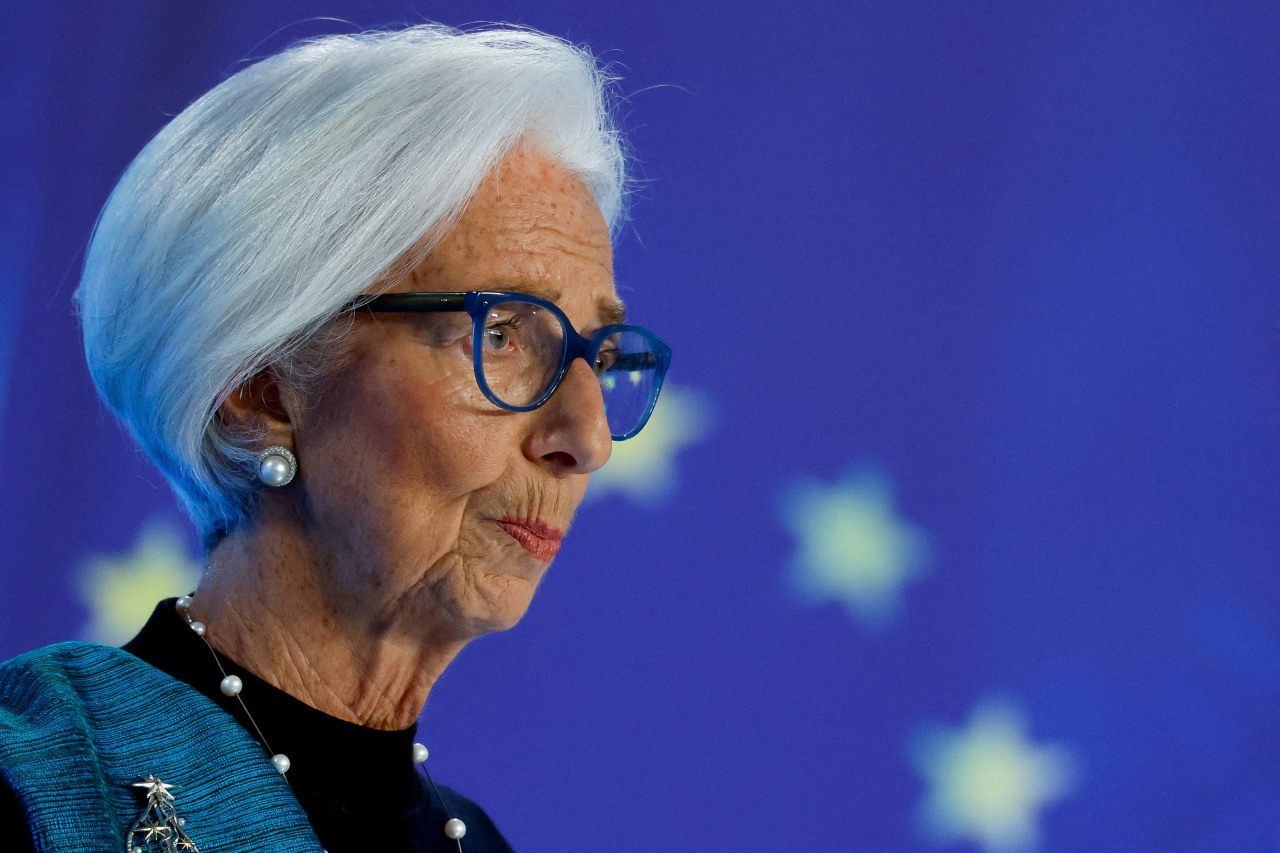
European Central Bank President Christine Lagarde highlighted ongoing difficulties for Eurozone exporters in securing overseas buyers due to fluctuating U.S. policies. During a recent address, she outlined the challenges posed by an unpredictable international trade environment, which continues to impact economic growth across the region.
Exporters Struggling in Volatile Market
Lagarde’s remarks come as exporters report increasing hurdles in navigating a landscape shaped by shifting U.S. trade policies. These changes have made it particularly challenging for businesses in the Eurozone to find stable markets for their goods. She emphasized that the uncertainty surrounding international trade agreements is forcing companies to adapt quickly, often at significant cost.
According to the latest data from the European Commission, Eurozone exports fell by 1.5% in the second quarter of 2023 compared to the previous year. This decline reflects broader trends in global trade, which have been characterized by volatility and unpredictability. Lagarde noted that the situation is exacerbated by a lack of cohesive policy direction from key trading partners, particularly the United States.
“Exporters are facing a challenging environment. The current U.S. policy framework is not providing the stability that businesses need,” Lagarde stated. She called for greater cooperation among nations to foster a more predictable trading environment, which would benefit economies on both sides of the Atlantic.
Implications for the Eurozone Economy
The impact of these challenges extends beyond individual exporters, affecting the broader Eurozone economy. Lagarde warned that sustained difficulties in international trade could hinder the region’s recovery from economic downturns. With inflation still a concern and consumer spending fluctuating, the health of the Eurozone economy hinges on its ability to maintain robust export levels.
Eurozone leaders are now faced with the task of navigating these turbulent waters while ensuring that local businesses can compete on a global scale. Some analysts suggest that targeted support for exporters, including financial assistance and policy adjustments, may be necessary to mitigate the impact of external pressures.
As discussions continue among Eurozone finance ministers about potential strategies to support international trade, Lagarde’s insights serve as a crucial reminder of the interconnectedness of global economies. The ability of the Eurozone to adapt to these external challenges will play a significant role in shaping its economic future.
In conclusion, the Eurozone is currently grappling with significant export challenges, largely influenced by the volatile nature of U.S. policy. As businesses struggle to find overseas markets, proactive measures will be essential to ensure a resilient economic landscape in the region.