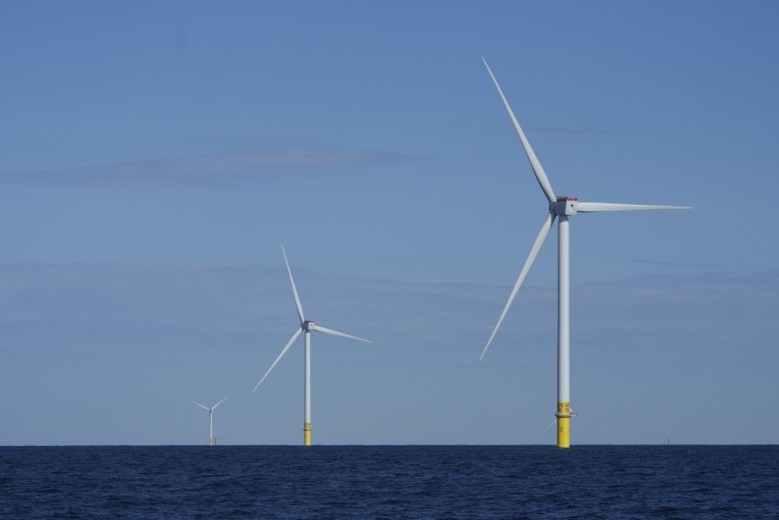
Maine is poised to expand its wind energy capacity significantly with the proposed Aroostook Wind project, which has the potential to generate up to 1,200 megawatts of electricity. This initiative could more than double the state’s current wind power output, which stands at 923 megawatts. Despite the advantages, concerns have emerged regarding regulatory decisions that may limit the benefits to the state.
When Paul LePage assumed office in 2011, he expressed mixed feelings about wind energy developments that had begun under former Governor John Baldacci. Although Baldacci’s administration aimed for a goal of 3,000 megawatts by 2020, LePage halted further turbine approvals, leading to a shift in focus for developers towards states in the Great Plains, particularly Texas and the Dakotas. Despite this, wind energy continues to account for approximately 25% of Maine’s electricity production.
The Aroostook Wind project represents a significant opportunity for Maine to not only meet its renewable energy mandates but also to become a vital contributor to the regional energy grid. The project is expected to align with the ambitious goal of achieving 100% carbon-neutral electricity by 2040, a mandate that all New England states except New Hampshire have adopted. Aroostook Wind promises to be a cost-effective solution, projected to be about one-third the price of recent offshore wind developments.
A pivotal concern arises from the Maine Public Utilities Commission’s (PUC) recent request for proposals (RFP), which stipulates that Aroostook Wind’s electricity will be distributed to all participating states under identical terms to those offered to Maine. This provision raises alarms, as it is anticipated that the majority of power generated will flow to more populous states, such as Massachusetts and Connecticut, which combined, have nearly ten times Maine’s population. Former State Planning Director Richard Silkman has characterized this PUC decision as “regulatory malpractice,” a sentiment likely to resonate with residents as the implications of this arrangement become clear.
The controversy surrounding the Aroostook Wind project echoes the earlier debates over the New England Clean Energy Connect (NECEC) line, which faced strong opposition from Maine voters. In a 2021 referendum, approximately 60% of voters opposed the NECEC line, despite the state being set to receive around $500 million in benefits. The timing of the referendum, occurring post-construction commencement, ultimately upheld the project due to a ruling from the Maine Supreme Judicial Court that granted “vested rights” to its builders.
As information about the PUC’s plans for Aroostook Wind becomes widespread, public reaction is expected to be intense. Many residents are likely to question why a state with such substantial wind resources is not prioritizing its own energy needs. If Maine were to maintain full control over the Aroostook Wind project, it could prioritize local consumption and sell any surplus energy at a market premium, which is anticipated to be significant.
While Maine may not be the “Saudi Arabia of wind,” as Senator Angus King has suggested, it certainly possesses the potential to lead in clean energy initiatives across New England. Developing an in-state turbine fabrication operation, a proposal previously explored by the Mills administration for Sears Island, would further strengthen Maine’s position as a renewable energy hub and prepare it for the inevitable growth of offshore wind energy in the Gulf of Maine.
To maximize the benefits of the Aroostook Wind project and future energy developments, Maine will need to reassess its approach to planning and executing significant energy projects. Moving beyond sole reliance on the PUC’s regulatory framework will be essential, as the commission’s current trajectory reflects a disconnect from the state’s energy future. In the coming weeks, a deeper examination of the necessary steps to empower Maine in this transformative energy landscape will be explored, focusing on enhancing local control and ensuring that the benefits of wind energy are realized by the residents who host these critical infrastructures.