Ukrainian lawmakers have expressed strong opposition to any potential referendum that would involve ceding territory to Russia in exchange for peace. This sentiment was articulated during discussions in Kyiv on Wednesday, where parliament members emphasized a profound lack of trust in Russian President Vladimir Putin and his willingness to uphold any agreements made.
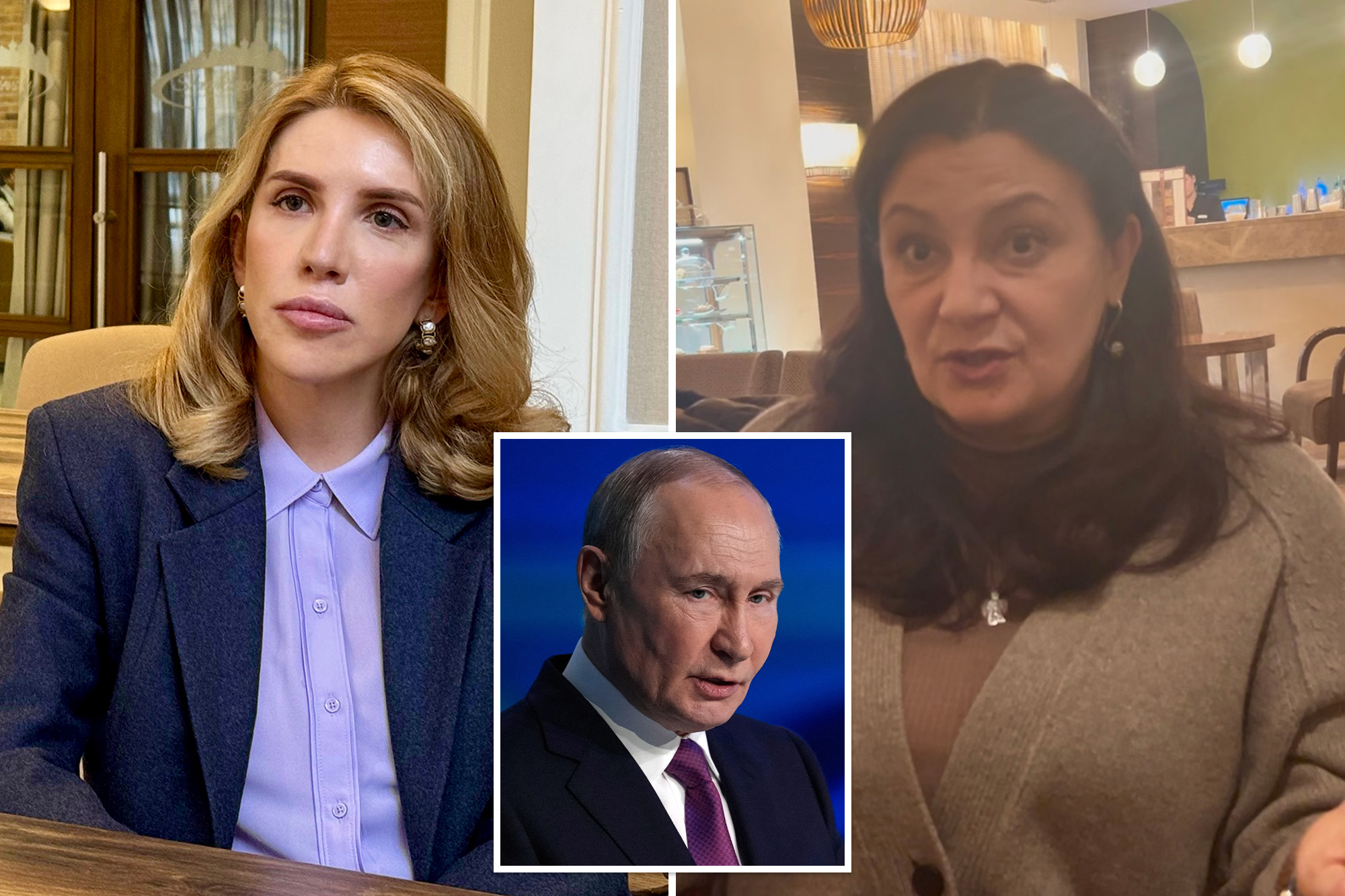
Kira Rudik, a representative of the opposition Holos party, stated that the core issue is trust, which has been severely damaged after nearly twelve years of conflict. “The question that we are constantly asking is, who or what will make sure that Putin will keep his part of the deal?” she remarked. Rudik highlighted that since Russia’s initial aggression in 2014, there has been no evidence to suggest that Putin would honor any commitments.
Ivanna Klympush-Tsintsadze, a member of the European Solidarity party, echoed these concerns, asserting that Russia’s ultimate objective is to erase Ukraine’s existence, which would only encourage further aggression. “We are seeing in the sociological data right now that the majority of the Ukrainian population is not ready to give in on any part of Ukrainian territory,” she explained. Klympush-Tsintsadze emphasized that compromising territory would not lead to peace but rather perpetuate the conflict.
The conversation follows increased pressure on Kyiv from international negotiators, particularly during the administration of former President Donald Trump, to consider territorial compromises as part of a cease-fire agreement. Lawmakers in the Verkhovna Rada, Ukraine’s parliament, recognize that any proposal perceived as capitulation would likely face significant public backlash. Rudik stated, “The end of the war is when Russia is weakened to the point where they cannot continue.”
To achieve this, Rudik urged the West to bolster its support for Ukraine, advocating for enhanced sanctions, humanitarian assistance, and military aid. “We were very good—we exceeded expectations in defending ourselves,” she noted, calling for additional resources to enable a decisive shift in the conflict.
Ukrainian skepticism is further fueled by the perceived failure of the United States and the United Kingdom to honor their commitments under the 1994 Budapest Memorandum, which assured Ukraine protection from Russian aggression in exchange for the relinquishment of its nuclear arsenal. While the U.S. has offered vague security guarantees, Ukrainians are doubtful about the effectiveness of these assurances.
Klympush-Tsintsadze added, “The only security guarantee to prevent Russian attacks is for us to get together, ensuring Russia’s strategic defeat and Ukraine joining NATO.” She argued that NATO membership represents the most feasible and effective deterrent against future Russian incursions.
Despite claims from U.S. negotiators that Russia would halt its invasion if it were to receive the remaining 15% of the Donbas region not currently occupied, the Kremlin has not publicly confirmed such a commitment. Following its invasion in February 2022, Russia claimed the territories of Donetsk, Kherson, Luhansk, and Zaporizhzhia, illegally incorporating them into its constitution.
Current discussions involving U.S. mediation propose freezing the frontline, whereby both Russia and Ukraine would retain control of their respective occupied territories. This includes Kyiv surrendering heavily fortified lands in Donetsk and Luhansk. However, Rudik warned that even if such an agreement were temporarily satisfactory to Russia, the Kremlin would likely seek further territorial gains in the future. “In two or three years, Putin—or anyone coming after him—will say, ‘You know what? We changed our mind. We’re coming back,’” she cautioned.
The prospect of a referendum framed around territorial concessions is viewed with skepticism by many Ukrainians. Rudik asserted that any proposal would likely fail due to a lack of credible guarantees. “What’s on the other side? Putin’s word? I seriously doubt it,” she stated.
Rudik raised concerns about the commitment of Western nations to support Ukraine in the event of another Russian invasion. “Security pledges that promise military support if Russia attacks again basically mean that, if Russia attacks us, those countries will go to war with Russia,” she said. “Is anybody really ready to do that?”
Klympush-Tsintsadze believes that Putin’s ambitions extend beyond the Donbas, aiming to recreate elements of the Soviet Union and expand further into Europe. “We don’t even have to make it up—we just listen to what Putin says,” she observed. “In December 2021, he made it clear: He wants to return to Cold War boundaries, claiming the right to control all of Central Europe.”
She concluded by emphasizing the importance of safeguarding the prosperity and development achieved in Europe over the decades, which she argues is threatened by Putin’s expansionist agenda.