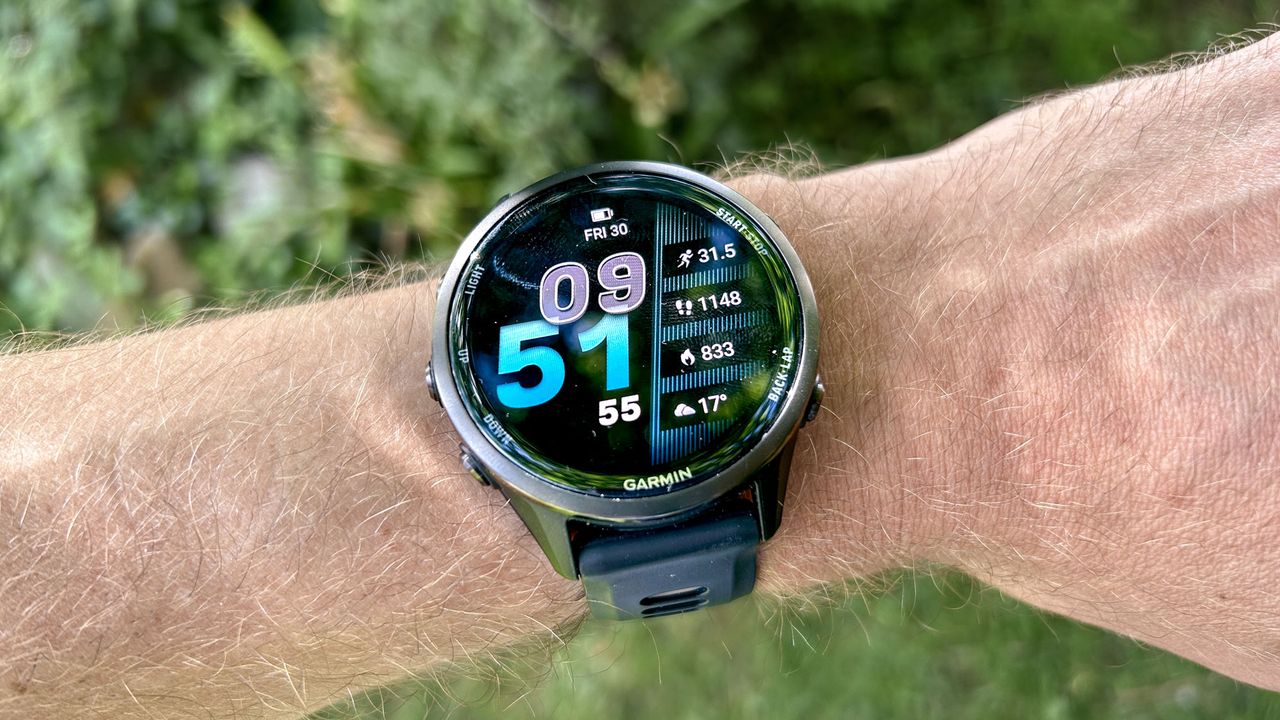
Using a Garmin watch can significantly enhance marathon training by providing a wealth of statistics. However, with so much data available, it can be challenging for runners to discern which metrics are truly beneficial. A seasoned marathon runner, currently training for the London Marathon, shares insights on the five key statistics he actively monitors and three that he disregards entirely.
Essential Training Metrics
The first step to maximizing the effectiveness of a Garmin watch is ensuring accurate data input. The runner emphasizes the importance of using an external heart rate monitor during workouts for precise readings. While the Forerunner 970 offers reliable heart rate tracking, he prefers the accuracy provided by a chest strap, especially when making training decisions based on the watch’s analysis.
Among the statistics he prioritizes, the first is **training load**. This metric compares the acute training load—running frequency and intensity over the past week—with chronic training load, which indicates longer-term physical exertion. Maintaining a healthy balance is crucial to avoid injury. Currently, his training load ratio is 1.1, suggesting that his short-term load is appropriately higher than his chronic load, allowing him to build fitness sustainably.
Next is **running tolerance**. This statistic expands on training load by factoring in the intensity of runs, thereby offering a more comprehensive view of the body’s capabilities. For instance, after running 74.8 miles in a week, his watch estimates that this equates to 91.8 miles due to the increased difficulty of some workouts. The watch indicates a running tolerance of 103 miles per week, helping him gauge whether he can safely increase his training intensity.
The third important statistic is **heart rate variability (HRV)**. Monitoring HRV each morning provides insights into recovery and overall health. A dip in HRV can signal inadequate recovery, illness, or stress factors. While he does not rely solely on this metric, it serves as a useful early warning system during rigorous training periods.
**VO2 max** is another critical measure he tracks occasionally. This figure indicates cardiovascular fitness and should ideally rise over the course of training. By checking this metric every couple of weeks, he can assess whether his training is effectively enhancing his fitness level.
Lastly, he keeps an eye on **active calories**. Although he doesn’t focus heavily on weight, monitoring active calorie expenditure during extensive training allows him to ensure adequate nutrition. This is particularly important on long runs and intense workout days, as proper fueling is essential for performance and recovery.
Statistics to Disregard
Despite the wealth of data provided by Garmin, the runner discredits several statistics that he finds less useful. The first is **predicted race times**. While the watch offers estimates for various race distances, he believes these predictions lack accuracy, especially for marathons. Currently, the watch forecasts a marathon time of 2:34:37, which is significantly slower than his personal best. He has consistently outperformed these estimates, often by several minutes.
The second statistic he ignores is **running economy**. Available on higher-end Garmin models when paired with specific heart rate monitors, this metric aims to reflect running efficiency. However, he considers it a marginal gain that is challenging to improve without professional coaching. Given that individual running styles vary widely, he believes focusing on overall fitness is far more beneficial than stressing about running economy.
Lastly, he dismisses the **sleep score** generated by the watch. While acknowledging the importance of sleep for recovery, he finds Garmin’s assessments unreliable, often overestimating sleep duration. With a better understanding of his own rest patterns, he chooses to trust his judgment rather than conflicting data from the watch.
In conclusion, while Garmin watches provide a plethora of information for runners, focusing on specific metrics can lead to more effective training and injury prevention. By honing in on essential statistics such as training load, running tolerance, HRV, VO2 max, and active calories, runners can navigate their training regimens more efficiently. Meanwhile, disregarding less reliable metrics allows for a clearer focus on performance and health.