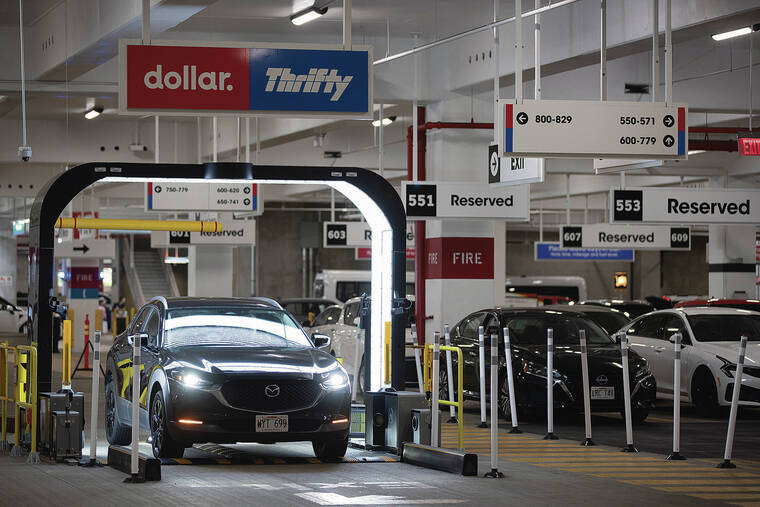
Hawaii lawmakers are considering new legislation aimed at generating approximately $90 million annually from the local rental car industry. This initiative emerges amid growing budget concerns for the state, with proposed funds potentially directed towards the general fund, Hawaiian homestead development, or retroactive hazard pay for public school teachers who served during the COVID-19 pandemic.
Multiple bills are currently under review in both the House of Representatives and the Senate. These proposals seek to impose Hawaii’s 4.5% General Excise Tax on rental car fleet purchases, a significant increase from the current 0.5% rate applicable to wholesalers and various other sectors. Proponents of these changes argue that the rental car industry has benefited from a tax loophole, thereby creating an unfair advantage over other businesses that contribute to the state’s revenue.
Supporters of the legislation, including many educators, assert that the rental car sector’s exemption from certain taxes has resulted in lost revenue that could otherwise support essential public services. In written testimony, the Chamber of Progress, a coalition representing technology and rental car competitors like Uber and Lyft, argued that closing this loophole would not only enhance tax fairness but also promote healthy competition within the industry. They estimate that the reform could generate up to $86.2 million annually.
The American Car Rental Association has voiced strong opposition to the proposed tax increase. They warn that it would lead to retail “triple taxation” on rental vehicles, which already incur a daily surcharge of $7.50, along with the General Excise Tax during rentals and again when companies sell vehicles after a short period of usage. Avis Budget Group echoed these concerns, stating that the additional tax could cause rental prices to rise for both residents and visitors, potentially discouraging tourism.
Concerns have also been raised about the implications of linking the proposed tax revenue to specific uses. House Bill 1937, aimed at providing $20,000 bonuses to teachers who worked from March 4, 2020, to March 25, 2022, received significant public support, with over 100 pages of written testimony backing its intent. The legislation, introduced by Rep. Adrian Tam (D, Waikiki), seeks to allocate funds from the new tax for teacher hazard pay, highlighting the ongoing challenges in recruiting and retaining educators in Hawaii.
The Department of Transportation has expressed opposition to some proposals, arguing that using rental car-related revenues for non-transportation purposes lacks a clear connection to transportation infrastructure needs. They assert that Hawaii has historically maintained a careful balance in imposing surcharges to minimize impacts on the rental car industry while addressing transportation demands.
As discussions continue within legislative committees, various bills are being refined. Notably, House Bill 2586 aims to use revenue from the proposed tax to increase funding for Hawaiian homestead development. This bill has garnered support from the Hawaiian Council and other stakeholders, although the Department of Transportation has cautioned against directing these funds away from transportation-related needs.
The upcoming weeks will be critical as lawmakers deliberate on these proposals, weighing the potential benefits of increased funding against concerns expressed by industry representatives and community stakeholders. The outcome could significantly impact both the rental car industry and public services in Hawaii, highlighting the delicate balance between revenue generation and economic growth in the state.