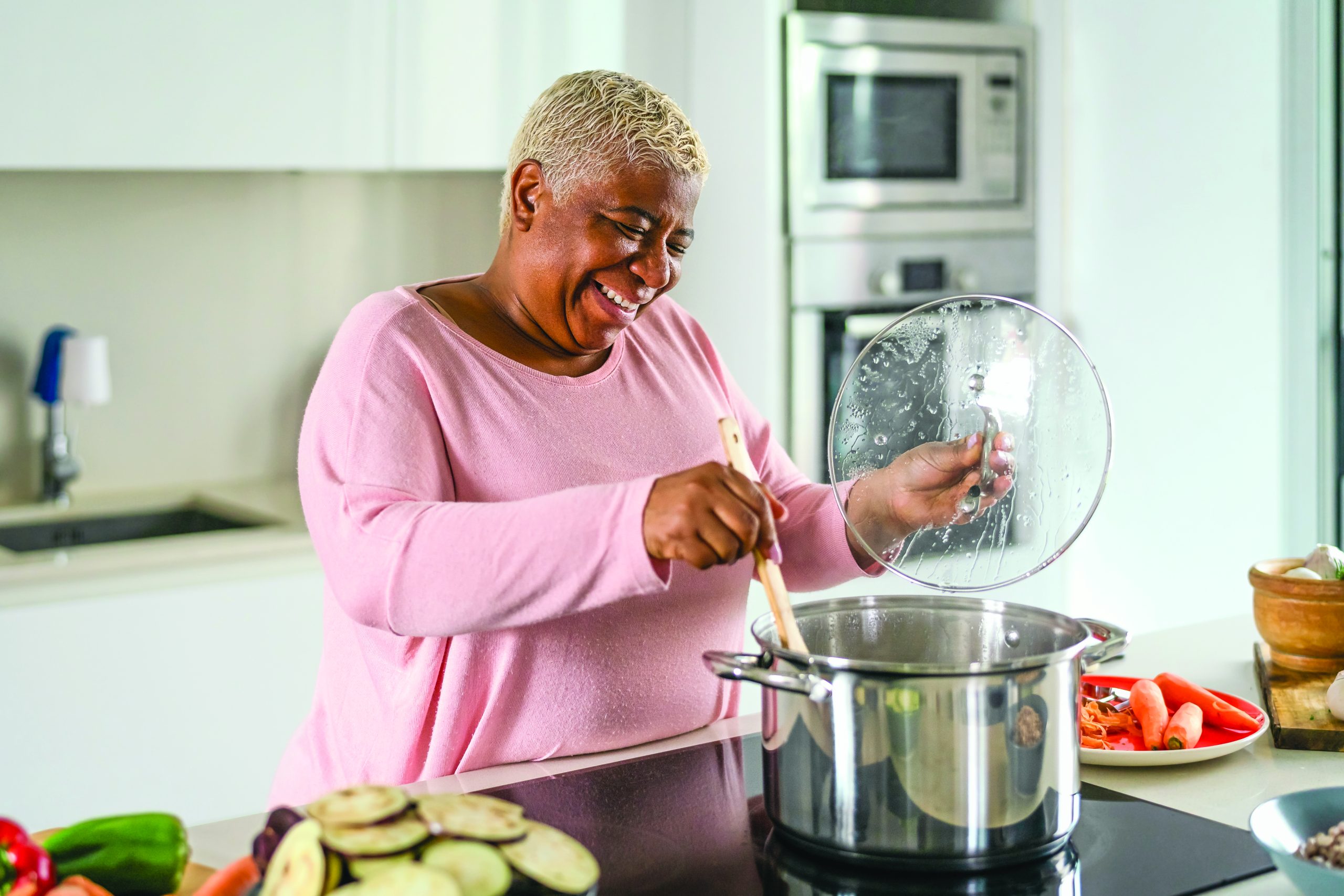
Nutrition plays a pivotal role in enhancing the vitality of seniors, shifting the focus from restriction to nourishment. For older adults, the common dietary advice often emphasizes reducing intake and avoiding certain foods. However, the emphasis should be on how food can serve as a source of energy, pleasure, and connection. By prioritizing nourishing meals, seniors can experience increased engagement in their daily lives.
Building Energy Through Balanced Meals
One prevalent issue among seniors is low energy levels, which can stem from factors such as skipped meals, overly restrictive diets, and insufficient protein consumption. Ensuring that meals include steady sources of fuel is essential for maintaining stamina throughout the day.
Protein is vital for preserving muscle strength and endurance. Including protein-rich foods such as eggs, yogurt, beans, fish, poultry, and nut butters at each meal can help prevent energy dips. Pairing these protein sources with complex carbohydrates like whole grains, fruits, and vegetables provides more sustainable energy than relying solely on refined sugars.
Healthy fats also contribute significantly to energy levels. Ingredients like olive oil, avocados, and nuts not only enhance flavor and texture but also promote satiety and sustained energy. Staying properly hydrated is equally crucial, as even mild dehydration can lead to fatigue and headaches. Incorporating water, herbal teas, and foods with high water content can help seniors meet their daily fluid needs.
Enhancing the Joy of Eating
Food enjoyment is essential for optimal nutrition. As taste preferences and appetites may change with age, it is important to keep meals exciting and satisfying. Utilizing herbs, spices, and diverse textures can rekindle interest in food and elevate the overall dining experience.
Flexibility in eating habits also supports a healthier relationship with food. Allowing for favorite dishes, cultural traditions, and occasional treats can make meals feel less restrictive and more nourishing. Cooking does not need to be complex; simple, thoughtfully prepared meals can deliver comfort without demanding excessive time or effort in the kitchen. For those who find cooking challenging, alternatives such as meal kits, community meals, and shared cooking arrangements can provide variety and enhance enjoyment.
Meals often serve as a focal point for social interaction. Sharing food encourages regular eating, fosters conversation, and reduces feelings of isolation. Whether it’s a weekly breakfast with friends, a potluck at a community center, or cooking with grandchildren, food can be a vital means of connection.
Planning meals around social activities can also increase motivation to eat well. When dining becomes a communal experience, it not only supports physical energy but also promotes emotional well-being.
Nutrition for seniors should not be about achieving perfection. Instead, it focuses on selecting foods that enable older adults to feel strong, satisfied, and engaged in the lives they wish to lead. When meals nourish both body and spirit, energy often follows, enhancing overall quality of life.