The University of Notre Dame is facing mounting criticism from numerous Catholic bishops over its recent appointment of a pro-abortion professor, Susan Ostermann, to lead the Liu Institute for Asia and Asian Studies. This decision has raised significant concerns regarding the university’s alignment with its Catholic mission and has caused distress among its community of faithful Catholics.
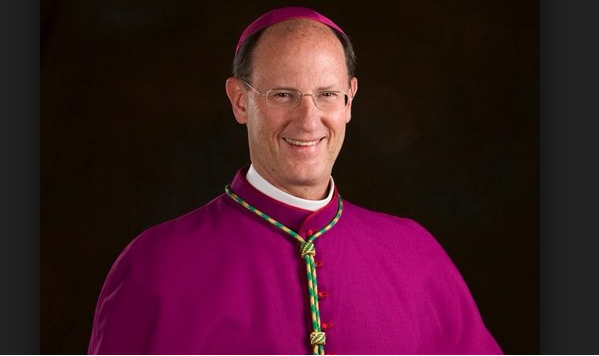
Bishop James Conley of Lincoln, Nebraska, publicly condemned the appointment on March 14, 2024, expressing his support for Bishop Kevin Rhoades of Fort Wayne-South Bend, whose diocese includes Notre Dame. Conley stated, “Catholic institutions must faithfully reflect the truth of the dignity of every human life in both their mission and their leadership.” This sentiment was echoed by others in the church hierarchy, including Bishop Robert Barron of Winona-Rochester and Archbishop Samuel Aquila of Denver, who also criticized the appointment.
On March 13, 2024, Bishop Rhoades issued a statement expressing “dismay” and “strong opposition” to Ostermann’s appointment, which took effect on July 1, 2024. He described the decision as one that “is causing scandal to the faithful of our diocese and beyond,” and urged the university to “rectify this situation.” Ostermann has been part of Notre Dame’s faculty since 2017, serving as an associate professor of global affairs and political science.
Ostermann’s public advocacy for abortion includes co-authoring at least 11 opinion pieces between May 2022 and May 2024. In these writings, she has characterized laws that restrict abortion as “forced pregnancy and childbirth,” equating them to “violence” and “sexual abuse.” She has linked anti-abortion sentiments to issues of white supremacy and racism, asserting that abortion is “freedom-enhancing” and aligned with “integral human development.”
Bishop Rhoades has criticized Ostermann’s viewpoints as contradictory to the core principles of justice that underpin Notre Dame’s Catholic identity. He emphasized that her public stance on abortion and her denigration of pro-life advocates disqualify her from holding a leadership role at a Catholic institution.
Bishop Barron characterized Ostermann not merely as “pro-choice” but as a strong critic of the pro-life position. He noted her comments on anti-abortion advocates and their alleged connections to racism, stating that such rhetoric is “repugnant to the identity and mission of that great center of Catholic learning.”
Archbishop Aquila, in his remarks, expressed gratitude to Bishop Rhoades for his statement, labeling Ostermann’s appointment as “unfortunate” and detrimental to the university’s reputation. He voiced hope that those with the authority to reverse the decision would do so, calling for a change of heart among those involved.
The backlash from the Catholic community has led to resignations from two scholars affiliated with the Liu Institute. Robert Gimello, a research professor emeritus of theology, and Diane Desierto, a professor of law and global affairs, both announced their departures. Gimello stated that remaining associated with Ostermann would be “unconscionable,” given her perceived hostility toward Catholic moral principles.
Rev. Wilson D. Miscamble, a Holy Cross priest and professor emeritus of history at Notre Dame, described the appointment as a “travesty” that highlights the discrepancy between the university’s claims of maintaining a Catholic character and its actions.
Students from Notre Dame Right to Life have also voiced their opposition, arguing in a letter to the campus newspaper that Ostermann’s association with the Population Council, which promotes abortion, undermines the dignity of human life. Anna Kelley, the group’s president and a Catholic adoptee from China, expressed personal offense at the appointment, emphasizing her commitment to raising awareness about the consequences of Ostermann’s ideology.
In response to the criticism, Notre Dame officials defended Ostermann’s appointment, describing her as “a highly regarded political scientist and legal scholar” suited to lead the institute. They reiterated that leadership decisions are made with a commitment to the university’s Catholic mission and affirmed their dedication to upholding the dignity of human life at all stages.