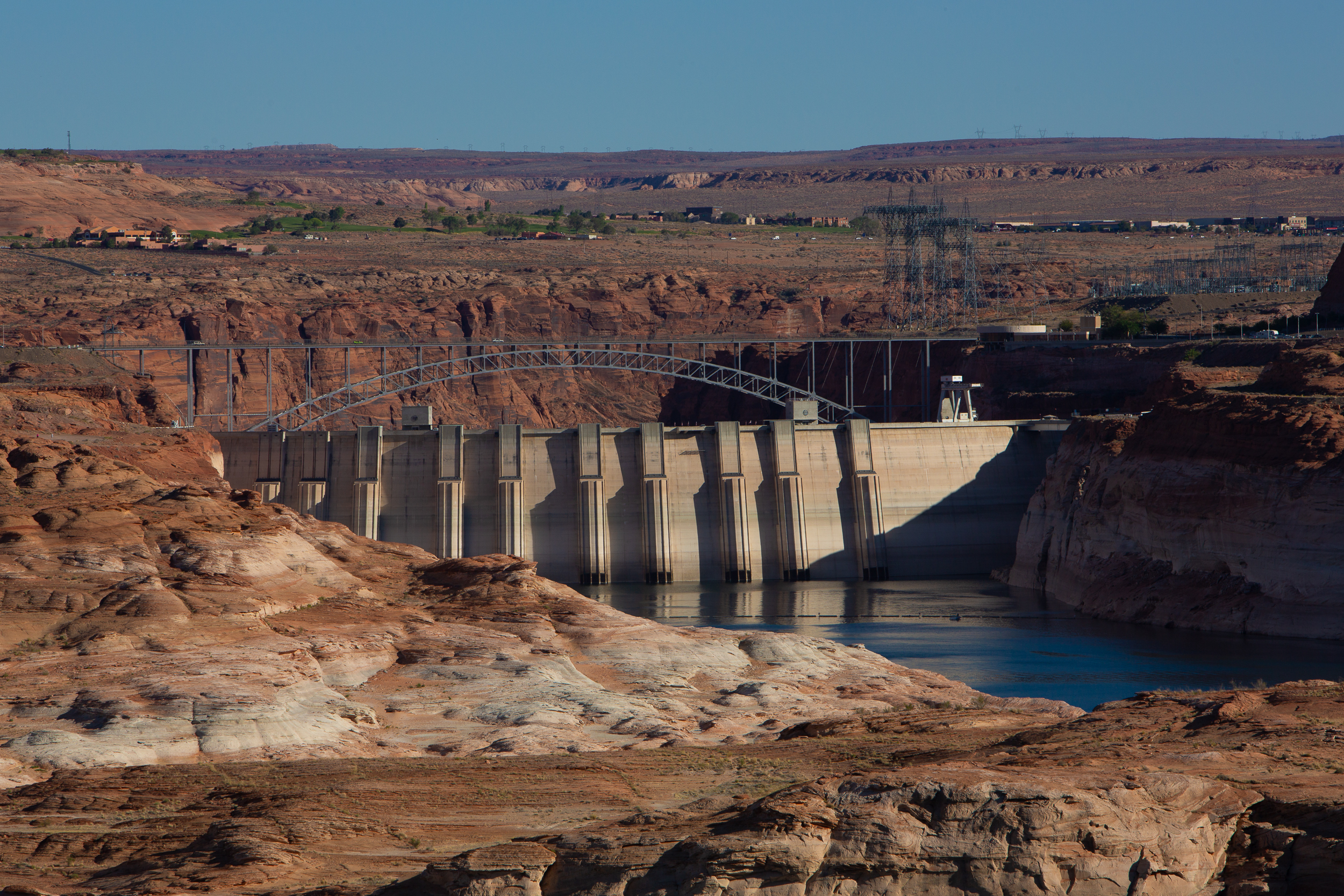
UPDATE: Glen Canyon Dam is on the brink of operational failure, with alarming water levels threatening the livelihoods of over 25 million people who rely on the Colorado River. As of early March 2023, Lake Powell’s water level fell dangerously close to the minimum power pool, just 30 feet away from catastrophic consequences.
The situation escalated when February 14, 2026, approached—a critical deadline for states dependent on the river to negotiate a new management plan. Instead of an agreement, federal officials delayed action, further exacerbating the crisis. The Bureau of Reclamation, responsible for overseeing the dam’s management, has faced intense scrutiny for its inadequate response to a declining water supply that scientists have warned about for years.
Lake Powell’s levels have dipped below 30% capacity, causing a ripple effect of concern among the states, including California, Arizona, Nevada, Utah, New Mexico, Colorado, and Wyoming. These states have historically battled over dwindling water supplies, but the urgency of the situation demands immediate cooperation.
The dam, constructed under Floyd Dominy in the 1960s, was designed for a more stable climate, unaware of the severe impacts of climate change that we face today. Now, as the Colorado River experiences a 20% drop in flow compared to long-term averages, the dam’s aging infrastructure is at risk of catastrophic failure.
With the water level reaching the 3,370 feet mark, Lake Powell is perilously close to “dead pool,” where water can only flow through the dam under specific conditions exacerbated by evaporation. If this threshold is breached, the consequences would be disastrous, leading to potential agricultural failures and ecological collapse across a vast region.
In a recent communication, the Lower Basin states warned Interior Secretary Doug Burgum that the Bureau’s failure to address the dam’s plumbing issues could violate federal law. Their letter emphasized that addressing these limitations is essential to any future management and operational improvements.
As the situation develops, experts and local officials emphasize the need for urgent modifications to Glen Canyon Dam. A proposed plan from Dominy himself suggests innovative bypass tunnels that could help manage water flow more effectively, but implementing such changes will require swift action.
The timeline for resolution is rapidly closing, and with federal agency resources stretched thin, the need for a comprehensive approach to the Colorado River’s management is more urgent than ever. Without immediate action, the economic and ecological ramifications could be catastrophic, affecting not just local populations but ecosystems extending to the Gulf of California.
Stay informed about these critical developments, as the future of the Colorado River and the millions dependent on it hangs in the balance.