Building a high-performance gaming PC can be a dream come true for enthusiasts, but it can also lead to unexpected financial missteps. A gamer recently shared insights into their experience of constructing a powerful gaming rig, revealing how they spent between $300 and $350 on components that ultimately offered little to no performance benefit.
The individual, who completed their build two years ago, initially focused on creating a system that combined aesthetics and power. While the gaming PC met all their expectations at the time, the novelty has since faded, prompting a critical review of their spending choices.
Questionable Choices in Components
One of the first components scrutinized was the choice of a $220 ASRock B650 Pro RS motherboard. The decision was driven by its ATX form factor and PCIe 5.0 SSD slot. In retrospect, the user acknowledged that PCIe 4.0 would have sufficed for their gaming needs. “I could’ve saved myself $70 on my motherboard alone,” they noted. The current prices for Gen5 SSDs are prohibitively high, making the upgrade impractical.
Another expensive decision was opting for the NZXT H9 Flow case, which, while visually striking, proved cumbersome during relocations. Despite its spacious design, the user recognized that a smaller case could have met their needs just as effectively and saved money in the process. “I paid extra for size I didn’t need and convenience I lost,” they stated, hinting at the regret of prioritizing aesthetics over practicality.
Overpriced Accessories and Unnecessary Features
The user also reflected on their choice of a $120 all-in-one liquid cooler for the Ryzen 5 7600X. They now realize that a less expensive air cooler could have performed just as well, allowing for significant savings. “An air cooler at half the price could’ve done the same job,” they explained, indicating that the cooling solution was more about appearances than functionality.
A vertical graphics card holder was another impulse buy. The mounting kit, which cost $70, added little value beyond visual appeal. “While it looks impressive, it doesn’t enhance my gaming experience in any way,” they admitted.
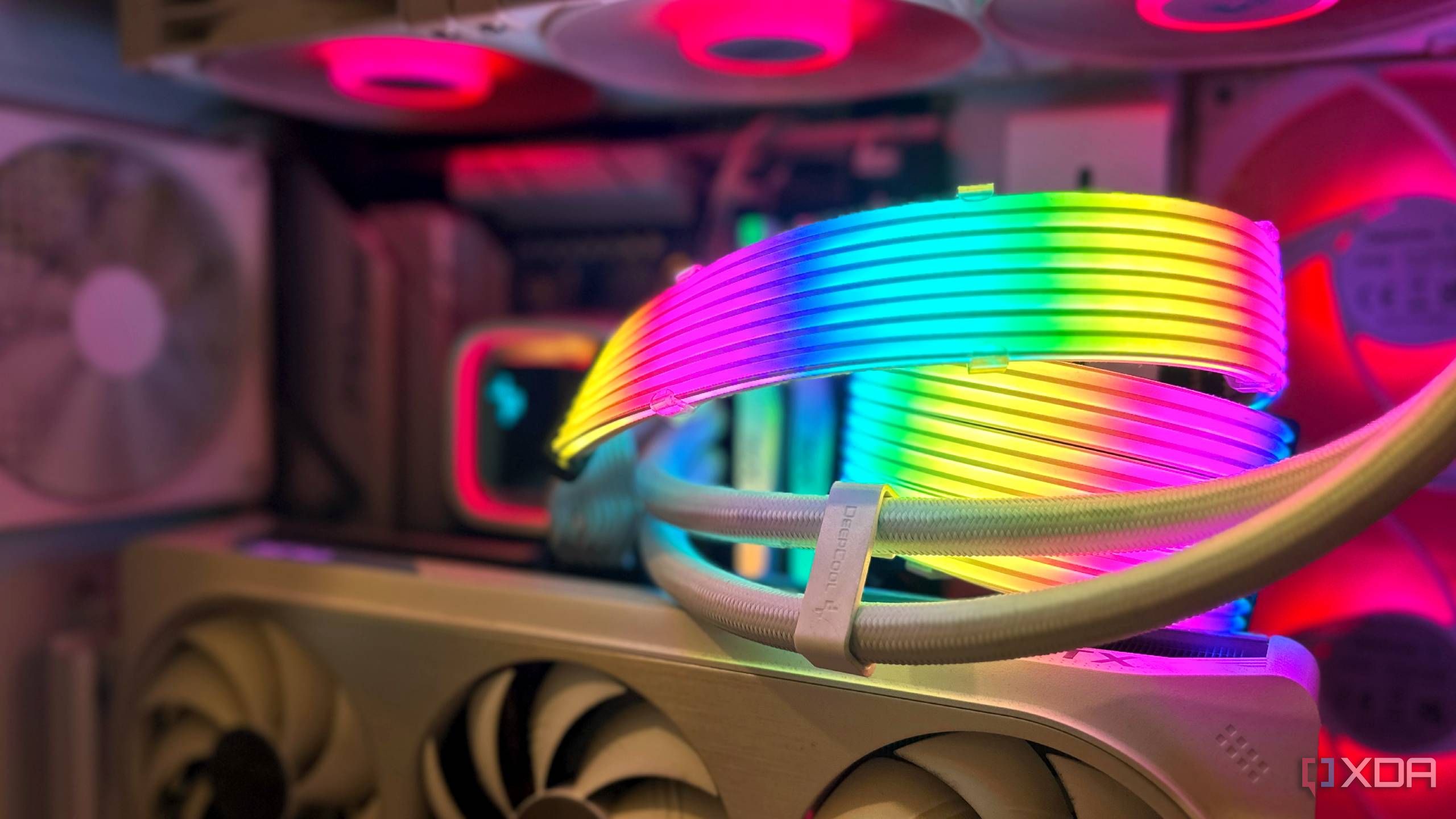
Additionally, the user splurged on Lian Li Strimer RGB cables after being dazzled by their aesthetics. The $100 price tag did not translate to any performance benefits, highlighting the allure of visual upgrades that may not offer practical returns.
The decision to purchase the NVIDIA RTX 4070 Ti also came with its own set of complications. Although it was cheaper than competing graphics cards, opting for the all-white Aero OC edition added an extra $90 to the final bill. While the individual expressed some satisfaction with their choice, they acknowledged that the color of the GPU does not impact gaming performance.
Despite these missteps, the overall experience has not dampened the user’s enthusiasm for their gaming rig. They emphasize that the joy derived from their PC transcends the financial miscalculations. “There isn’t a single day of gaming where this PC doesn’t bring me happiness,” they concluded, suggesting that the emotional value of the build outweighs the financial blunders.
Ultimately, this reflection serves as a reminder for other gaming enthusiasts to consider practicality alongside aesthetics when investing in components. What may seem like a minor expense can add up, and careful planning can lead to a more efficient and cost-effective build.