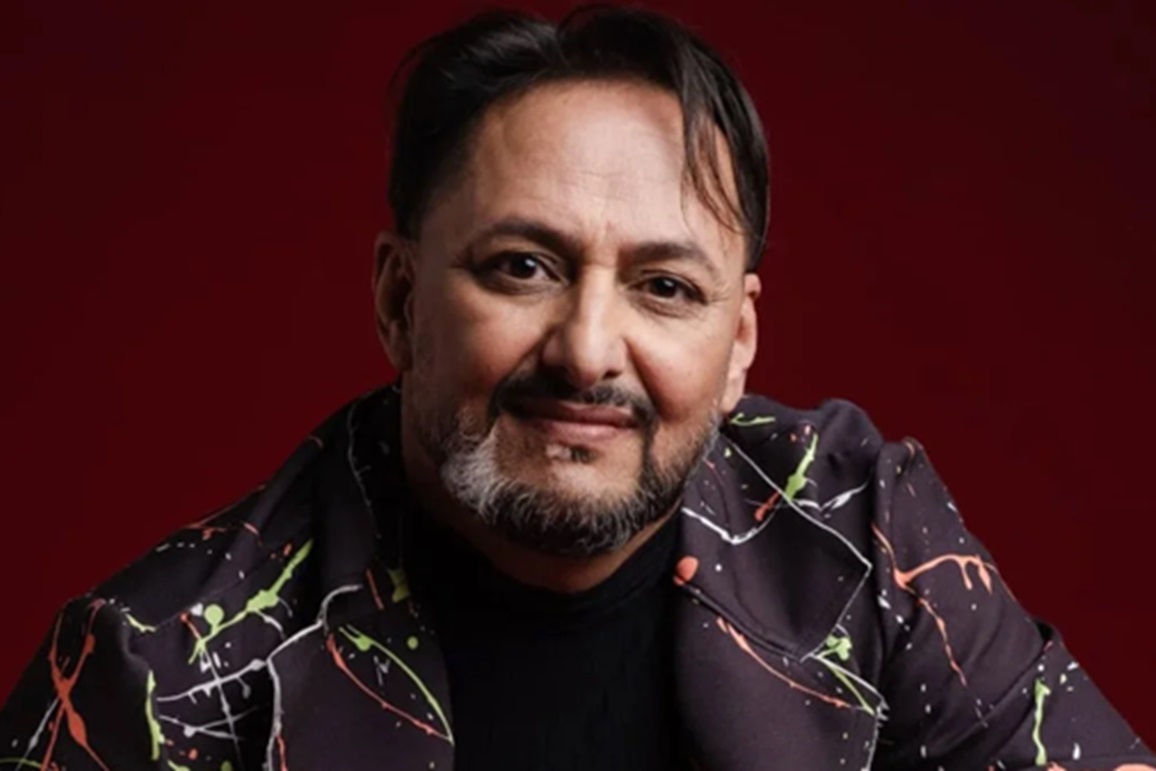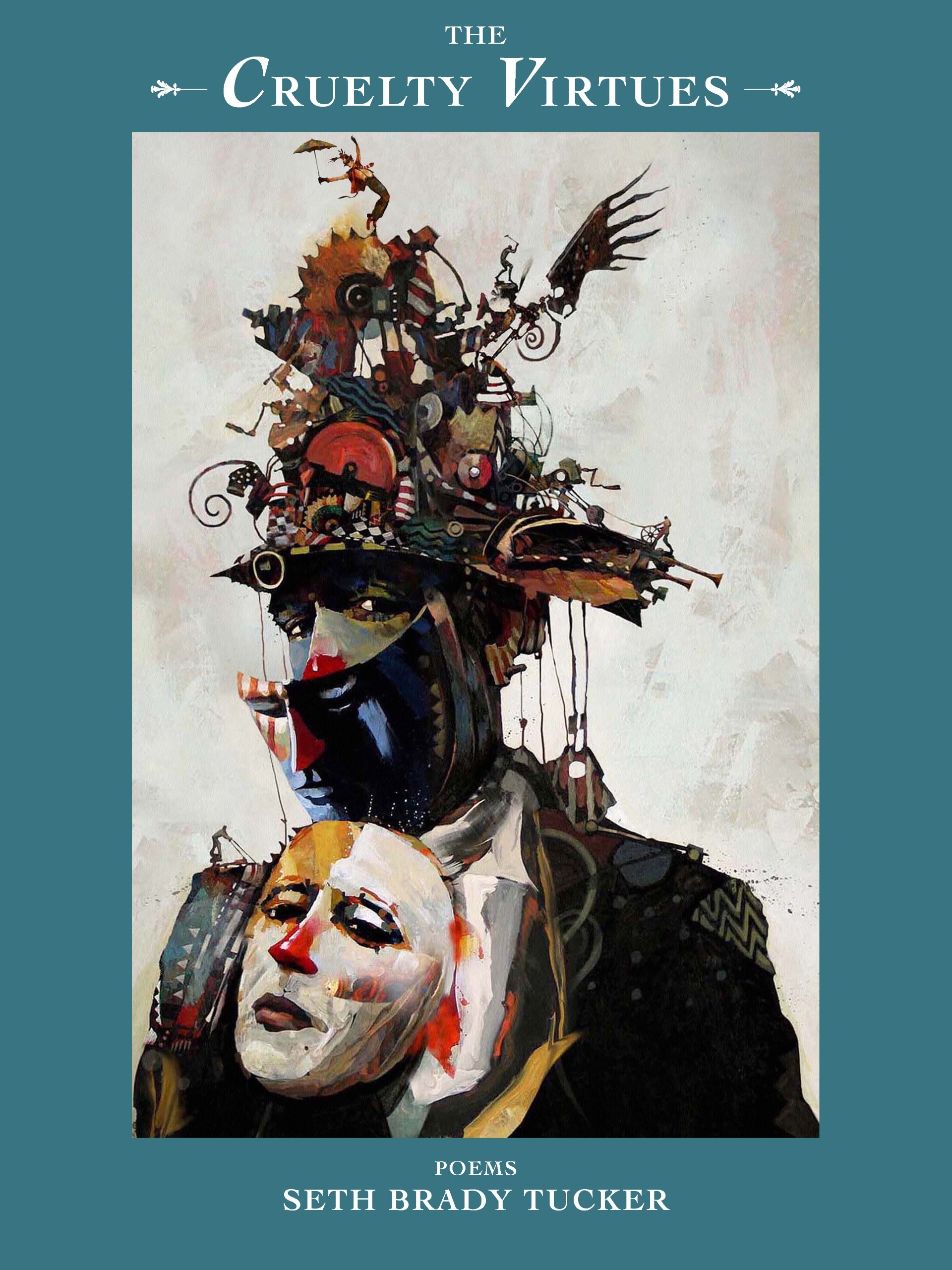
Poet and professor Seth Brady Tucker is set to launch his latest poetry collection, The Cruelty Virtues, which delves into the complexities of masculinity and societal expectations. The book, published by Three: A Taos Press, encourages readers to purchase it directly from the author or the publisher, rather than through major retailers like Amazon. This request aligns with the collection’s themes, as Tucker emphasizes the importance of community and individual responsibility in art.
The official launch is scheduled for February 12, 2024, at the Foothills Art Center in Golden, Colorado. The event, which is free and open to the public, marks the beginning of a series of local readings, including an appearance at Lighthouse Writers Workshop on April 3 and a reading with former Colorado Poet Laureate Joe Hutchinson on April 11 at Tattered Cover.
Tucker describes The Cruelty Virtues as a reflection of his struggles with traditional masculine identities. He acknowledges his past admiration for values that have been “normalized by our culture,” prompting his exploration of what it means to be a man today. The collection is divided into sections that initially focus on the natural world before transitioning into stark observations about masculinity, aggression, and the impact of these traits on society.
The epigraph of the collection, a quote from writer and activist Rebecca Solnit, reinforces its central theme: “Violence doesn’t have a race, a class, a religion, or a nationality, but it does have a gender.”
In examining the lives of men, Tucker’s poetry examines their roles within their communities and the cultural narratives that shape them. For instance, the poem “Next Door” begins with a vivid description of a neighbor who embodies stereotypical masculine traits but ultimately reveals a deeper emotional complexity. The narrator observes the neighbor’s flawed behavior but recognizes the love he expresses for his children, showcasing the duality of masculinity.
Another significant piece, “Gun Rights,” portrays the perspective of a young man raised in a militaristic environment. This poem grapples with the consequences of a hyper-masculine upbringing, culminating in a poignant moment of realization that disrupts the glorified notion of violence. The narrator witnesses the fallout of this upbringing, highlighting the damaging effects of societal expectations.
Tucker’s use of poetic devices encourages readers to engage with the text on multiple levels. He aims to evoke empathy and reflection, suggesting that kindness and vulnerability should be celebrated rather than suppressed. He openly admits that the themes in The Cruelty Virtues can be challenging, but he has included softer pieces throughout to balance the heavier content. The final poems in the collection strive to inspire hope, reinforcing that positive change is possible.
As Tucker puts it, “I’m impatient for us to be better human beings.” His work resonates with anyone grappling with the pressures of societal expectations. The collection serves as a call to action, urging readers to reflect on their own identities and the narratives they perpetuate.
The Cruelty Virtues is available for purchase on Tucker’s website, through Three: A Taos Press, or at independent bookstores such as Prairie Lights Books. The launch event on February 12 will offer attendees an opportunity to engage with the poet and gain insight into the themes explored in this compelling collection.