Iranian security forces have escalated their campaign against dissent, targeting members of the reformist movement as part of a broader crackdown following nationwide protests. Reports indicate that authorities have arrested at least four prominent figures, including Narges Mohammadi, a Nobel Peace Prize laureate who has already received a prison sentence exceeding seven years for her activism. This move signifies a determined effort by the Iranian government to suppress opposition, especially as the country prepares for renewed nuclear negotiations with the United States.
Arrests of Key Reformist Figures
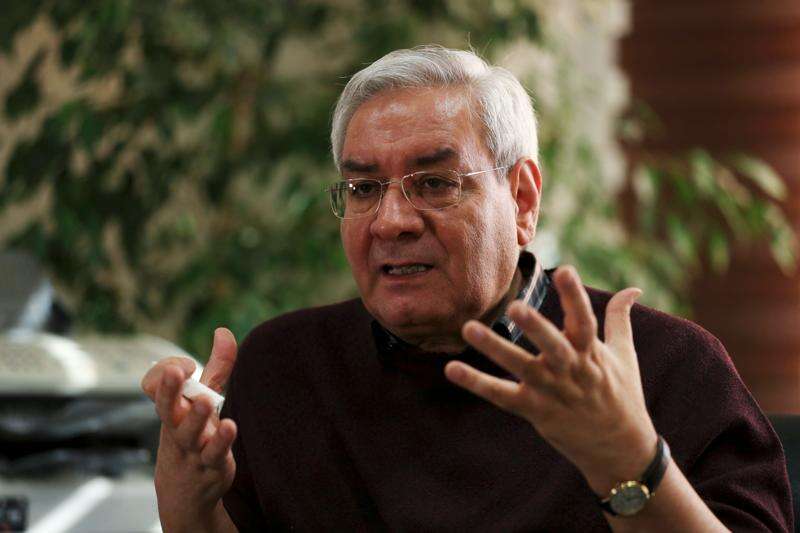
The arrests include Azar Mansouri, head of the Reformist Front, and Mohsen Aminzadeh, a former diplomat under reformist President Mohammad Khatami. Notably, Ebrahim Asgharzadeh, who played a pivotal role in the 1979 U.S. Embassy hostage crisis, has also been detained. These arrests appear to be linked to a statement released by the reformist movement in January 2024, which called for the resignation of Iran’s Supreme Leader Ayatollah Ali Khamenei and proposed the establishment of a transitional governing council.
In a statement reported by Iran’s state-run IRNA, Tehran prosecutors claimed that the detainees were involved in “organizing and leading activities aimed at disrupting the political and social situation in the country amid military threats from the United States and the Zionist regime.” This rhetoric reflects the Iranian government’s attempts to frame dissent as a national security threat.
The response from the reformist camp has been one of grave concern. Ali Vaez, an expert at the International Crisis Group, remarked, “Having bludgeoned the streets into silence with exemplary cruelty, the regime has shifted its attention inward, fixing its stare on its loyal opposition.” The reformists, feeling the pressure, have begun to drift, prompting the government to act decisively against them.
Political Context and International Relations
The political landscape in Iran remains complex. During recent protests, demonstrators voiced strong anti-government sentiments, with chants of “Death to Khamenei!” echoing throughout the streets. Many protesters appeared to reject the entire political establishment, including reformists, thereby complicating the latter’s position within Iranian society.
The Iranian government is also facing external pressures, particularly regarding its nuclear program. Last week, negotiations took place in Oman aimed at reviving discussions with the United States. Iran’s Foreign Minister Abbas Araghchi reiterated the country’s stance on uranium enrichment, a contentious issue that has strained relations with the U.S. President Donald Trump has consistently warned of potential military action if an agreement is not reached, further escalating tensions.
As the diplomatic situation evolves, the U.S. has bolstered its military presence in the region, moving the aircraft carrier USS Abraham Lincoln and other naval assets to the Middle East. This deployment is designed to exert pressure on Iran while ensuring that military options remain on the table should negotiations fail.
Amid these developments, Iran has announced planned “rocket launches” in Semnan province, home to the Imam Khomeini Spaceport. Such activities often coincide with significant anniversaries, including the commemoration of the 1979 Islamic Revolution.
The current state of affairs in Iran highlights the intricate web of internal and external challenges facing the government. As the crackdown on reformist figures continues, the question remains: how much longer can the regime maintain its grip on power amidst growing dissent both at home and abroad?