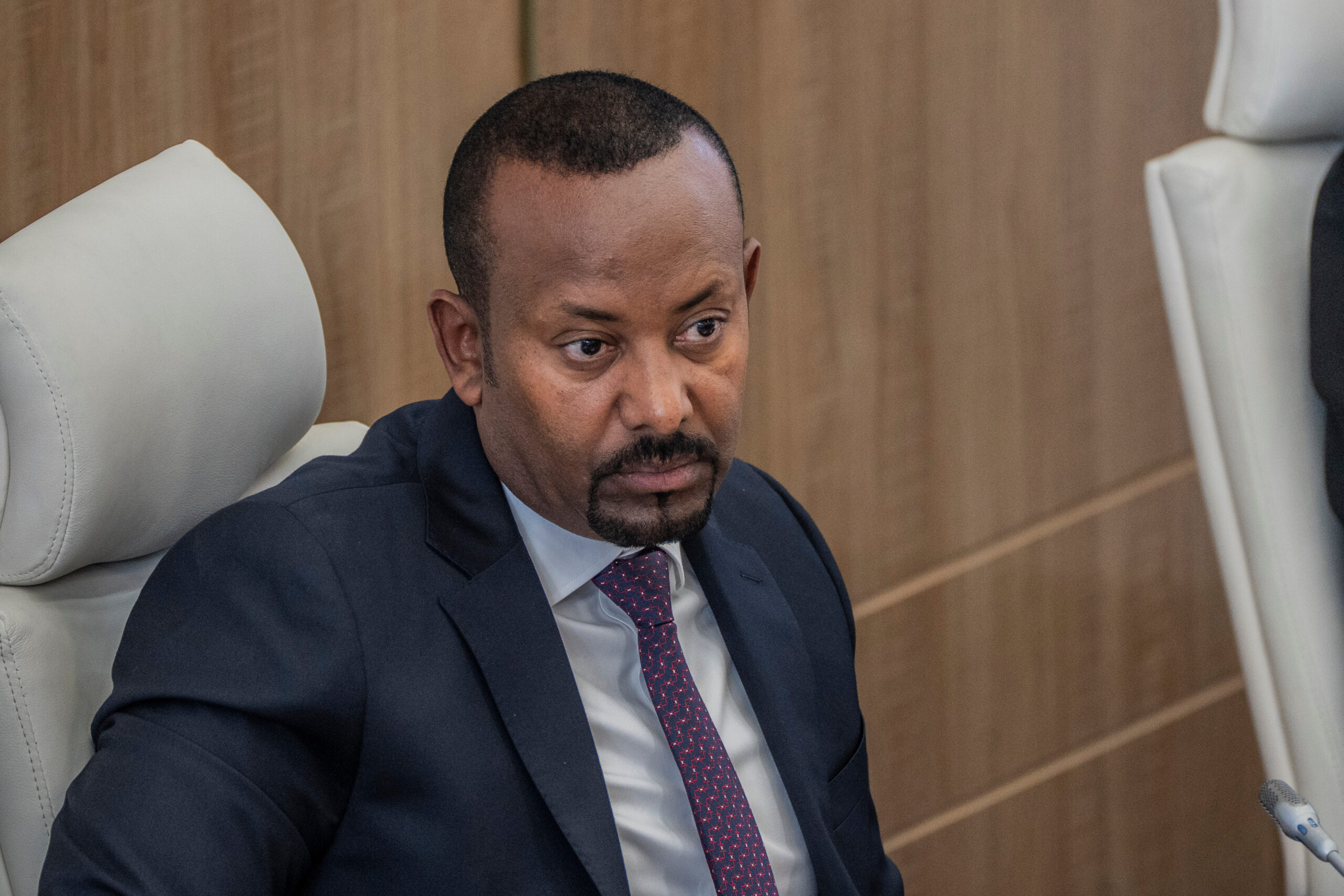
Ethiopia’s government has publicly acknowledged for the first time the involvement of Eritrean troops in the Tigray conflict, accusing them of mass killings during the civil war that concluded in 2022. In a parliamentary address on Tuesday, Ethiopian Prime Minister Abiy Ahmed claimed that Eritrean forces committed atrocities alongside Ethiopian troops, contributing to an estimated death toll of over 400,000 people throughout the conflict.
The Tigray war, which erupted in late 2020 and lasted until a peace agreement was signed in November 2022, saw intense fighting between Ethiopian government forces and the Tigray People’s Liberation Front (TPLF). Ahmed’s remarks come amid reports of renewed clashes in the region, raising concerns about the potential for further violence.
Accusations of Atrocities and Responses
During his address, Ahmed detailed specific incidents, stating that Eritrean soldiers had committed horrific acts, including the demolition of homes in Shire and the massacre of young people in Axum. He accused Eritrean troops of looting factories in Adwa and claimed that the conflict’s roots extend beyond the contemporary geopolitical landscape, suggesting that issues regarding access to the Red Sea were intertwined with the violence in Tigray.
Eritrea has firmly rejected these accusations. In a statement to the Associated Press, Eritrean Information Minister Yemane Gebremeskel described Ahmed’s comments as “cheap and despicable lies,” adding that they did not warrant a response. He further criticized Ahmed for changing his narrative regarding Eritrea, indicating that there was a time when the Ethiopian leader praised Eritrean forces.
Geopolitical Tensions and Military Preparations
The relationship between Ethiopia and Eritrea has been historically fraught, particularly since Eritrea gained independence in 1993. Ethiopia lost its access to the sea at that time, a situation Ahmed referenced when addressing Parliament. He stated, “The Red Sea and Ethiopia cannot remain separated forever,” implying ongoing aspirations for maritime access.
Tensions have escalated in recent months, with Eritrea accusing Ethiopia of harboring a “long-brewing war agenda” aimed at seizing Eritrean ports. Conversely, Ethiopia has voiced concerns over Eritrea’s alleged support for rebel groups in the region. Analysts suggest that a potential alliance between Eritrea and Tigrayan forces may be forming, and fighting has been reported in several areas.
The Ethiopian government recently suspended flights by its national carrier to the Tigray region due to the renewed hostilities. As the situation develops, international observers remain concerned about the possibility of a resurgence of violence, which could destabilize the broader Horn of Africa region.
The evolving dynamics between the two nations, marked by historical grievances and current military posturing, underscore the fragile peace that has followed the Tigray conflict. Continued dialogue and international engagement may be essential to prevent further escalation and to address the humanitarian crisis that ensued from the war.