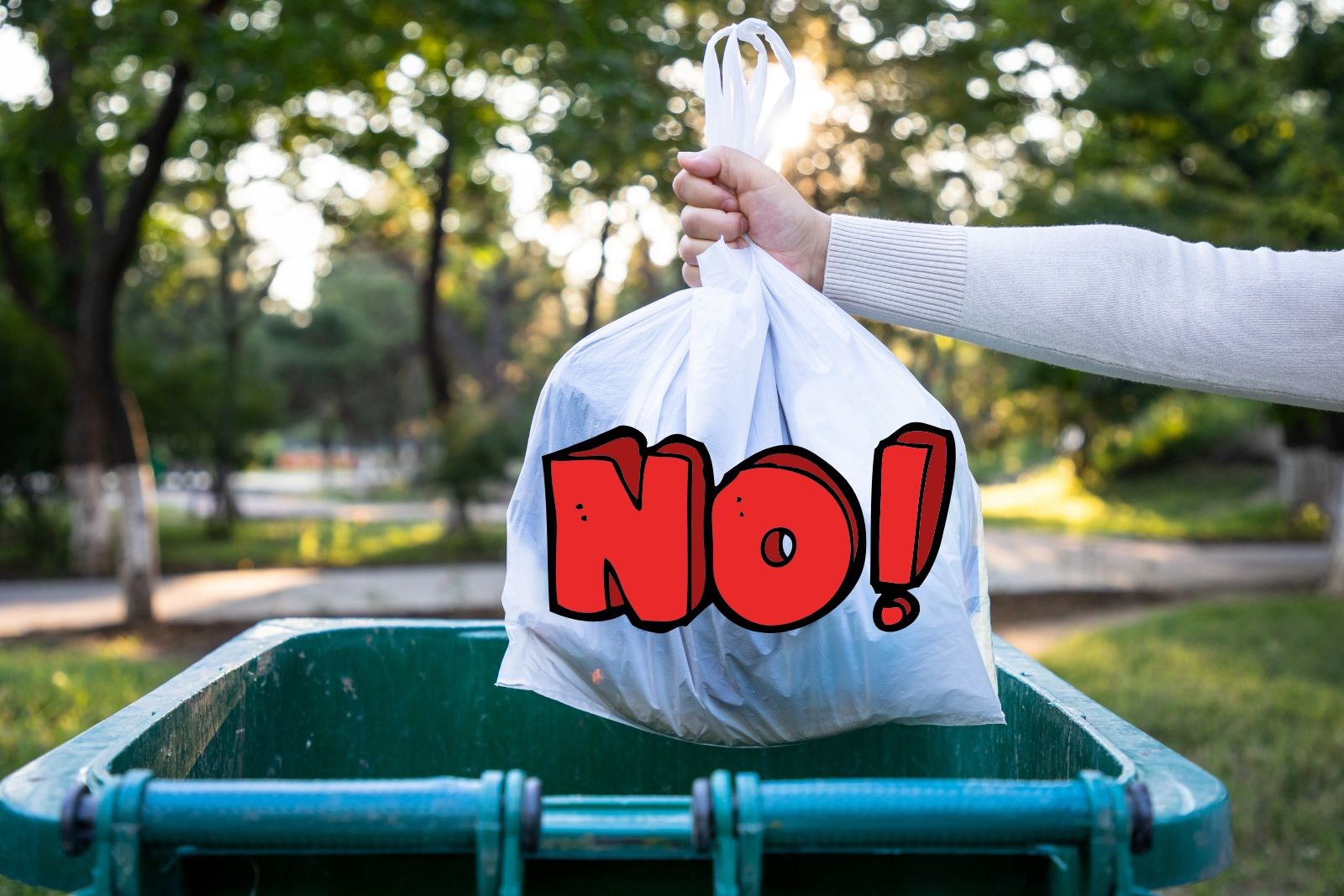
URGENT UPDATE: New Jersey is taking immediate action against improper waste disposal, reminding residents that throwing certain items in the trash can lead to hefty fines. As of October 2023, officials confirm that the state has strict regulations on waste management to protect the environment and community health.
Residents may not realize that everyday items can release harmful substances into the soil and water if disposed of incorrectly. New Jersey has designated drop-off locations specifically for hazardous waste, and the Department of Environmental Protection (DEP) urges all citizens to check their waste management guidelines before discarding items.
WHY IT MATTERS NOW: Ignoring these rules could lead to fines and environmental harm, making it crucial for New Jersey residents to stay informed about proper disposal methods. The state offers numerous recycling options, and understanding these can prevent unnecessary penalties.
According to sources from the DEP, here are 20 common items that must NOT be thrown in the garbage:
1. Ceramic cups and plates
2. Clay flower pots
3. Drinking glasses
4. Light bulbs
5. Mirror and window glass
6. Plastic wrap
7. Packing peanuts and bubble wrap
8. Wax boxes
9. Used metal cookware
10. Stainless-steel bottles
11. Old paint cans
12. Metal car parts
13. Batteries
14. Electronics
15. Fluorescent tubes
16. Hazardous chemicals
17. Tires
18. Furniture
19. Appliances
20. Sharps (needles)
In many areas, including urban centers, residents must make special arrangements for the collection of larger items like furniture or appliances. Most municipalities have bulk pick-up days or designated donation centers for items that are still usable.
IMPORTANT: Leaving items on the curb longer than allowed can incur fines, according to local authorities. Residents are encouraged to visit their municipality’s website for specific information on bulk pick-up schedules and recycling options.
In addition to these disposal rules, individuals are reminded of what items should not be donated to Goodwill or local thrift stores. Items such as damaged furniture, old mattresses, and certain electronics are generally not accepted. Always check with the store before making a donation.
WHAT’S NEXT: Residents are advised to familiarize themselves with New Jersey’s disposal regulations immediately. Taking a proactive approach not only contributes to a cleaner environment but also saves money and helps the community.
For the latest information on waste management, visit the New Jersey Department of Environmental Protection’s website and stay updated on recycling programs and disposal guidelines.