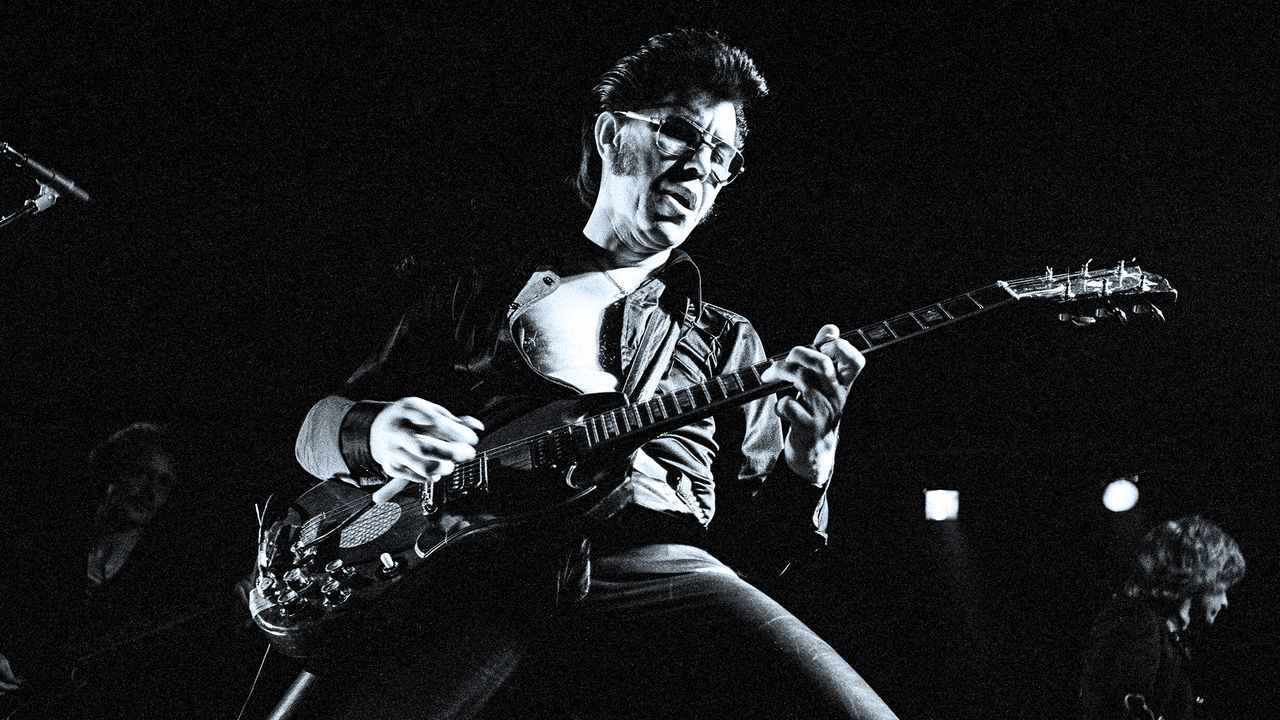
In 1958, a guitar instrumental titled “Rumble” emerged from the studio of Washington, D.C.-based musician Link Wray, altering the course of rock and roll history. Recorded in just three takes for a mere $57, the track introduced a distinctive distortion that captivated audiences and inspired numerous musicians, including guitarist Jimmy Page of Led Zeppelin fame. The song not only reshaped the sound of rock but also sparked significant social discourse.
Wray’s innovative use of distortion came from a desire to create a raw, powerful sound that resonated with the emerging youth culture of the late 1950s. The song’s gritty tone was a departure from the polished productions typical of the era, capturing the rebellious spirit of rock and roll. It quickly gained traction, becoming a staple in jukeboxes across the United States.
The impact of “Rumble” extended beyond its musicality. The song faced backlash for its perceived moral implications, particularly as it became associated with teenage delinquency. In fact, Godfrey Daniel, a radio DJ, noted that the song was linked to the growing concerns of youth violence, even leading to its ban in certain areas. This moral panic only fueled its popularity, as young listeners sought out the controversial track.
Wray himself reflected on the recording process, expressing amazement at the swift capture of the song. He remarked, “We got the song in three takes, on one track, for $57. Isn’t that amazing? Isn’t God wonderful?” This simplicity in production, combined with the groundbreaking sound, helped “Rumble” carve out a unique niche in music history.
The legacy of “Rumble” has been recognized over the decades, earning a place in the Rock and Roll Hall of Fame for its profound influence on future rock musicians. The distortion technique Wray pioneered inspired guitarists like Jimmy Page, who later utilized similar sounds in his own work with Led Zeppelin, including the iconic track “Whole Lotta Love.”
As time progressed, “Rumble” transcended its initial controversy, becoming a symbol of rock’s evolution. The instrumental’s ability to evoke a sense of rebellion and freedom resonated with generations of musicians and fans alike. Its distinct sound has influenced countless artists, demonstrating the power of a single recording to alter the musical landscape.
In conclusion, “Rumble” stands as a testament to the transformative power of music. From its humble beginnings in a Washington, D.C. studio to its status as a rock and roll classic, Link Wray’s creation not only changed how guitars were played but also how society viewed youth culture in the 1950s. The song remains a relevant piece of music history, echoing through the decades as a reminder of rock and roll’s enduring impact.