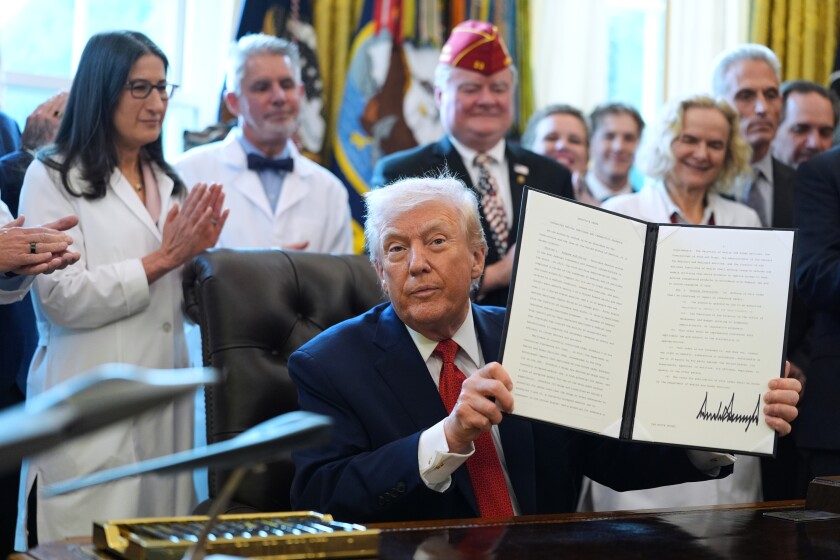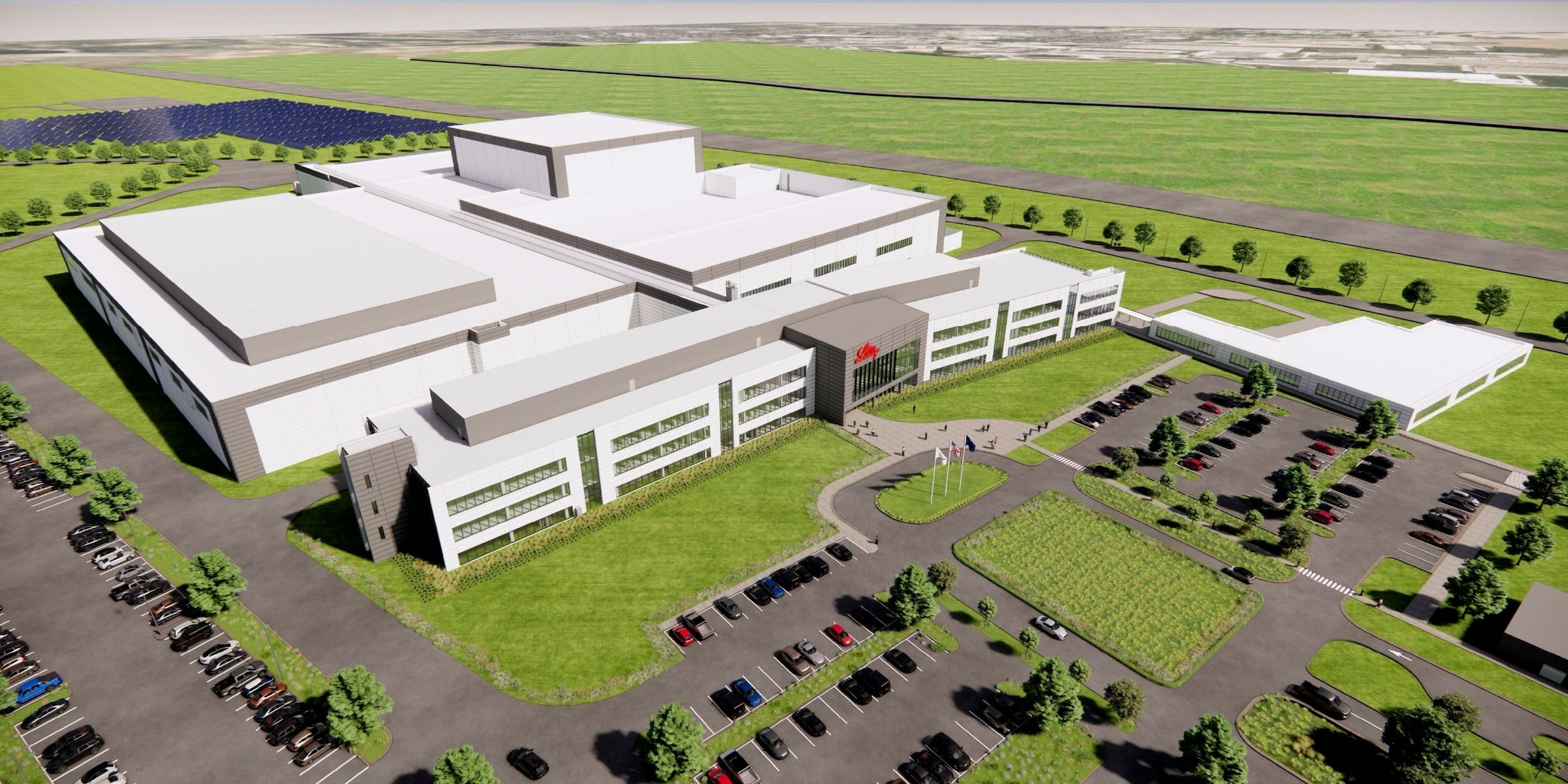
Eli Lilly, a global leader in pharmaceuticals, has announced plans to build a $3.5 billion manufacturing facility in Upper Macungie Township, Pennsylvania. The decision marks a significant shift for the company, which previously opted against establishing a presence in Pennsylvania just six months ago. According to Governor Josh Shapiro, the state had been the runner-up for another major investment by Lilly, prompting the governor to personally engage with Lilly CEO Dave Ricks to demonstrate the advantages Pennsylvania could offer.
On March 15, 2024, during a high-profile event at the Da Vinci Science Center in Allentown, Eli Lilly outlined its ambitious plans. This facility is one of four multi-billion-dollar projects recently announced by the company, all part of a broader $50 billion capital investment strategy. Out of more than 300 applications, the Lehigh Valley emerged as a prime location alongside three other sites.
Governor Shapiro characterized this investment as the largest life sciences commitment in Pennsylvania’s history. Local economic leaders echoed this sentiment, with the Lehigh Valley Economic Development Corporation calling it the most significant regional investment in its three-decade history. “They listened. We are grateful for that,” Shapiro remarked, emphasizing the collaboration that led to this landmark decision.
Job Creation and Economic Impact
The new plant is expected to create approximately 850 jobs directly, with an additional 2,000 construction jobs during the building phase. Eli Lilly projects that the average annual salary for workers at the facility will reach $100,000, underscoring the potential for substantial economic growth in the region. Ricks highlighted the transformative nature of these roles, stating, “These are high-value jobs that change the trajectory of families.”
The construction of the facility will also be supported by a $100 million investment in economic development incentives from the state. Additionally, the state has allocated $5 million for training programs at local community colleges and trade schools to equip the workforce with the necessary skills for employment at the new plant.
In terms of logistics, the site will benefit from a recently constructed interchange off Interstate 78, enhancing accessibility for both construction and future operations.
Focus on Life Sciences and Future Innovations
Eli Lilly’s new facility aims to produce innovative medications, including weight-loss drugs such as Zepbound and Retatrutide. While the latter is still pending approval from the U.S. Food and Drug Administration, Ricks noted the importance of moving forward with the plant’s development. He acknowledged the risks involved but emphasized that the pharmaceutical industry often requires such calculated risks. “Our business is about taking risks,” he stated.
The facility is projected to be operational by 2031, although Ricks expressed optimism about shipping the first medications within three years. The urgency of pharmaceutical development, he explained, is driven by the need to stay ahead in a competitive market where products can quickly lose their value once patents expire.
The establishment of this plant reinforces Pennsylvania’s status as a leader in the life sciences sector, joining the ranks of established manufacturers like B.Braun and Orasure. Governor Shapiro highlighted that the state currently employs approximately 100,000 Pennsylvanians in the life sciences field and produces half of all vaccines manufactured in the United States. He stated, “We will continue to lead as a manufacturing hub for cutting-edge medicines.”
Ricks concluded by underscoring the vital role of weight-loss medications in improving public health, noting that seven out of ten Americans are overweight. “If we can arrest obesity in our country, we can change the health outcomes for millions and millions of people,” he said.
The collaboration between Eli Lilly, state officials, and local stakeholders reflects a commitment to fostering economic growth and innovation in the Lehigh Valley, setting the stage for a promising future in the pharmaceutical industry.