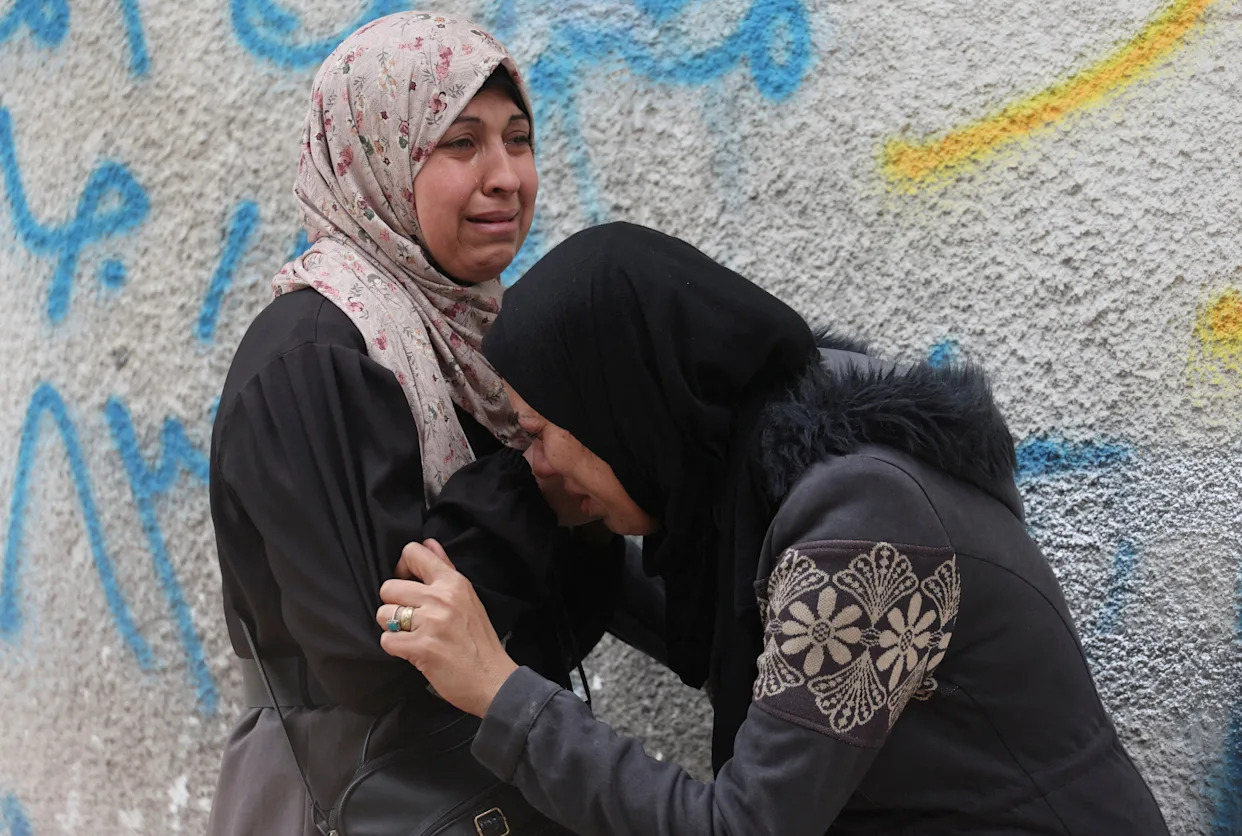
Oxfam has announced it will not provide Israel with personal details of its Palestinian staff in Gaza, citing the ongoing violence that has resulted in the deaths of hundreds of aid workers. This decision comes in the wake of Israel’s recent demands for detailed information from various non-governmental organizations (NGOs) operating in the region, including data about staff, operations, and funding.
In a significant escalation of its oversight on NGOs, Israel last year mandated that prominent charities working in Gaza, the occupied West Bank, and East Jerusalem comply with new “security and transparency standards.” On January 1, 2024, Israel revoked the licenses of 37 aid groups, including the Norwegian Refugee Council and the International Rescue Committee, claiming these organizations had failed to meet the new requirements.
Oxfam firmly rejected Israel’s request for staff information, emphasizing that sharing sensitive personal data would violate humanitarian principles and data protection obligations. A spokesperson for the organization stated, “We will not transfer sensitive personal data to a party to the conflict since this would breach humanitarian principles, duty of care, and data protection obligations.” The spokesperson highlighted the severity of the situation, noting that “more than 500 humanitarian workers have been killed since October 7, 2023.”
The organization has called on the Israeli government to halt its deregistration actions and lift measures that obstruct humanitarian assistance. They urged donor governments to leverage their influence to reverse these decisions.
Israel’s Ministry for Diaspora Affairs has outlined the type of information it demands from NGOs, which includes passport copies, resumes, and the names of family members, including children. The ministry has stated that it will reject organizations it suspects of inciting racism or denying Israel’s existence. Furthermore, it will bar those perceived as supporting armed struggles against the state.
According to reports, 23 organizations have agreed to the new registration rules, while others are still deliberating their responses. The Palestinian NGOs Network (PNGO) has condemned the organizations that complied with Israel’s demands, asserting that such actions violate international humanitarian law and pose direct threats to local staff safety.
On Saturday, Doctors Without Borders, known by its French initials MSF, indicated it would consider sharing a “defined list of Palestinian and international staff names” under specific conditions to prioritize staff safety. While acknowledging the unreasonable nature of Israel’s demands, MSF’s willingness to comply has drawn criticism from various quarters, including former employees and humanitarian activists. An anonymous former MSF staff member expressed deep concern over the organization’s decision, stating, “MSF faces profoundly difficult decisions – concede to the demands of a genocidal regime, or refuse and face complete expulsion.”
The International Rescue Committee, also among the 37 aid groups facing scrutiny, has reported that Palestinians account for nearly one-fifth of all aid workers killed since records began. The ongoing conflict has exacerbated challenges for humanitarian organizations, making their operations increasingly perilous.
As the situation evolves, the international community continues to monitor the implications of Israel’s actions on humanitarian efforts in the region, raising questions about the future of aid delivery to those in desperate need.