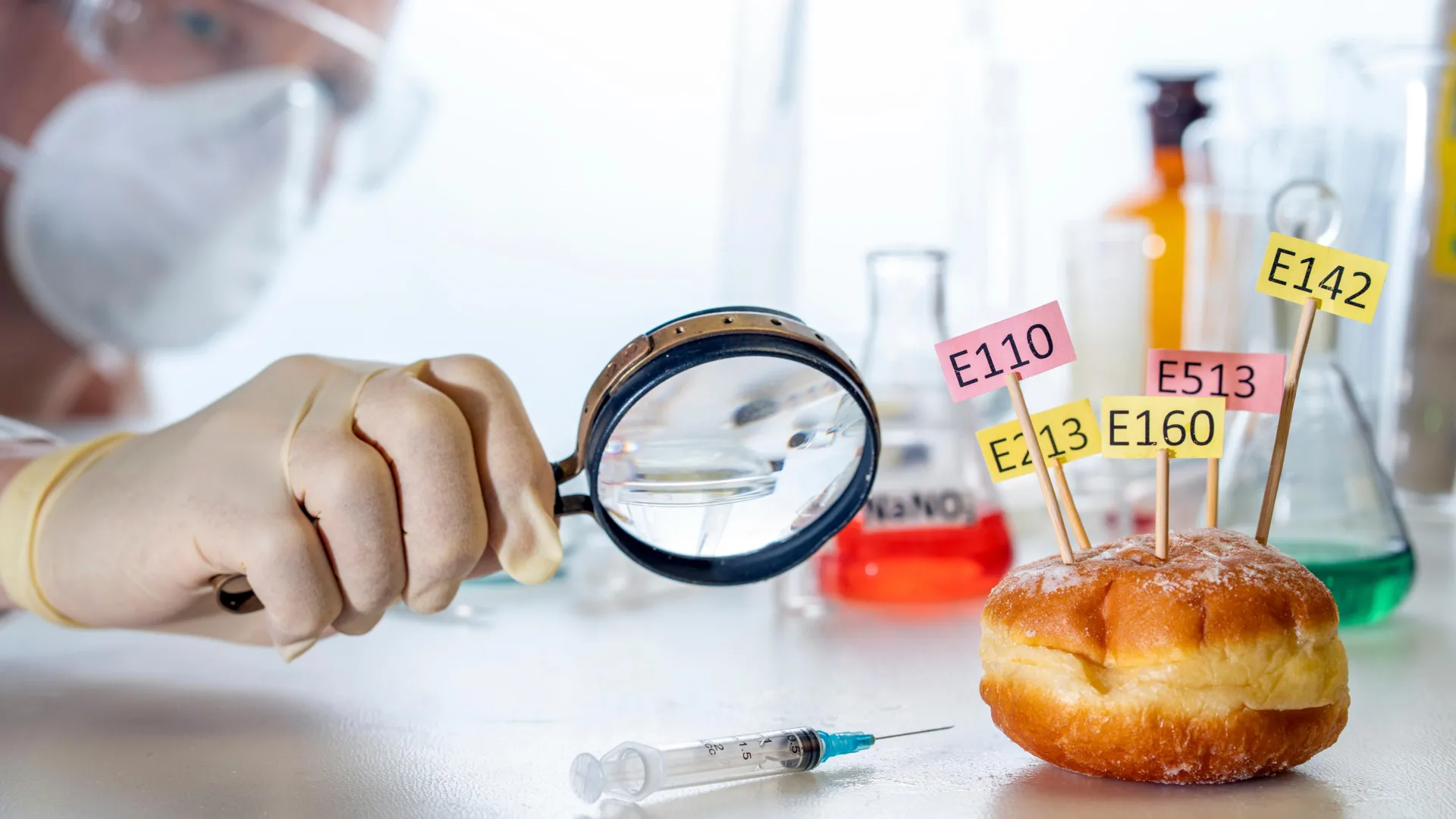
A recent study involving over 100,000 individuals in France has established a link between the consumption of certain food preservatives and an increased risk of developing cancer. Published on January 27, 2026, by the BMJ Group, the research highlights specific preservatives commonly used in processed foods and beverages, raising concerns about their safety and regulatory status.
The study monitored the health and dietary habits of 105,260 participants aged 15 and older over a period of more than a decade. Among the preservatives examined were potassium sorbate, sodium nitrite, potassium nitrate, and sulfites. While many preservatives showed no association with cancer risk, the findings suggest that higher intake of certain additives may correlate with a modest increase in the likelihood of developing various types of cancer, including breast and prostate cancer.
The researchers analyzed data collected from the NutriNet-Santé cohort, which involved participants maintaining detailed dietary records. Cancer diagnoses were tracked using health questionnaires and medical records until December 31, 2023. Of the participants, 4,226 were diagnosed with cancer during the study, including 1,208 cases of breast cancer and 508 cases of prostate cancer.
Investigating Preservatives and Cancer Risk
Food preservatives are commonly used to prolong the shelf life of packaged products by preventing spoilage. However, previous laboratory studies have indicated that certain preservatives could potentially damage cellular structures and DNA. This current investigation sought to establish a clearer link between these additives and cancer incidence in a real-world setting.
Among the 17 preservatives analyzed, the majority showed no significant association with cancer risk. However, a few specific preservatives emerged as concerning. For instance, increased consumption of potassium sorbate was linked to a 14% higher risk of overall cancer and a 26% increased risk of breast cancer. Similarly, sodium nitrite was associated with a 32% higher risk of prostate cancer. Other preservatives like potassium nitrate and acetic acid also showed significant correlations with cancer incidence.
The analysis categorized the preservatives into two groups: non-antioxidants, which inhibit microbial growth, and antioxidants, which protect against food deterioration. Notably, several non-antioxidant preservatives were found to be linked to increased cancer risk, whereas only a couple of antioxidant preservatives showed similar associations.
Implications for Consumer Health and Regulatory Policy
While the study was observational and cannot definitively prove causation, the authors emphasize the importance of the findings in the context of public health. They suggest that these results should prompt a re-evaluation of current safety standards governing food preservatives.
The researchers advocate for food manufacturers to minimize the use of unnecessary preservatives and encourage consumers to opt for freshly prepared and minimally processed foods whenever possible. A related editorial from U.S. researchers acknowledged the benefits of preservatives, including longer shelf life and cost-effectiveness, particularly for lower-income populations. However, they argue that the potential health risks associated with these additives necessitate a more thorough regulatory approach.
They propose several measures that could be implemented, including stricter limits on preservative use, clearer labeling of food products, and mandatory disclosure of additive content. Such changes could align regulatory practices more closely with those currently applied to trans fats and sodium.
In conclusion, while the evidence linking food preservatives to cancer risk is still developing, the findings from this substantial study provide a critical foundation for future research and policy discussions. As the conversation around food safety evolves, consumers and health agencies alike may need to reconsider the role of these widely used additives in our diets.