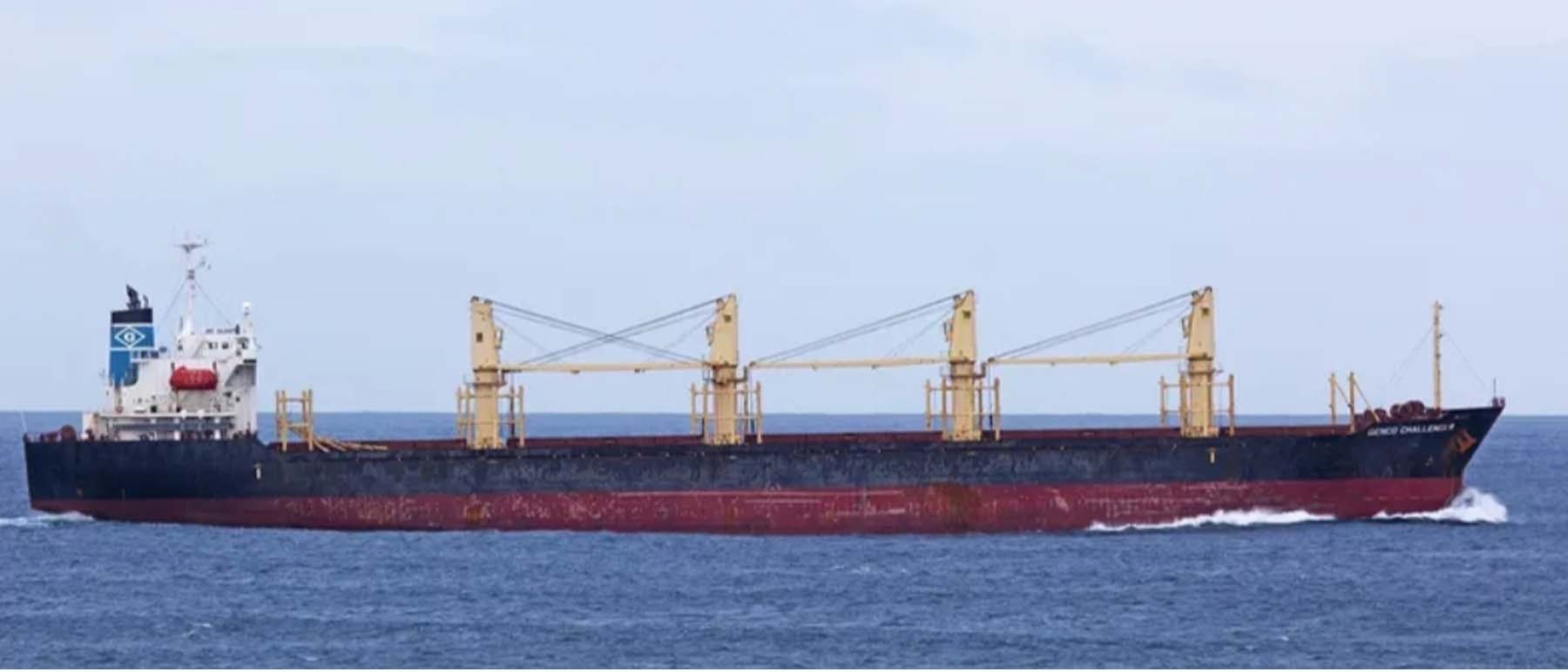
An investigation by Amnesty International has revealed that the military in Myanmar continues to obtain aviation fuel through clandestine operations involving so-called “ghost ships.” This term refers to vessels that disable their tracking systems while transporting fuel, enabling them to evade detection. The report highlights that between 2024 and 2025, at least nine shipments of aviation fuel entered Myanmar, despite ongoing international sanctions.
The investigation details how these ghost ships operate. They not only turn off their tracking systems but also employ tactics such as broadcasting false positions to mislead authorities—a practice known as “spoofing.” Additionally, these vessels frequently change names, flags, or ownership details to obscure their identities. Rather than using ports, fuel is often transferred ship-to-ship in open waters, complicating efforts to trace its origins. According to Myanmar Port Authority data, the country imported at least 109,604 metric tons of aviation fuel in 2025, marking a significant 69 percent increase from the previous year and the highest volume since the military coup in 2021.
The military’s reliance on these fuel imports is critical, as they power aircraft involved in airstrikes against civilian targets. Montse Ferrer, the regional research director at Amnesty International, has urged global leaders to take action. She stated, “As aviation fuel shipments into the country increase despite sanctions and the well-documented surge in aerial attacks against civilians, the international community must do more to stop companies and governments from facilitating a supply chain that has increasingly gone rogue. Every day of inaction will cost more lives.”
The report identified four specific vessels linked to fuel imports since 2024: HUITONG 78, YONG SHENG 56, REEF, and NOBLE. While the origin of the fuel remains unverified, there is limited evidence suggesting a connection to Iran.
The humanitarian impact of these airstrikes has been devastating. A UN report released in September 2025 documented at least 6,764 civilian deaths since the military coup, with nearly half of these deaths occurring as a result of aerial attacks between April 2024 and May 2025. This alarming trend underscores the urgent need for international intervention to halt the supply of aviation fuel and protect civilians in Myanmar.
As the conflict escalates and the civilian death toll rises, the situation in Myanmar calls for immediate global attention and action to address the ongoing humanitarian crisis.