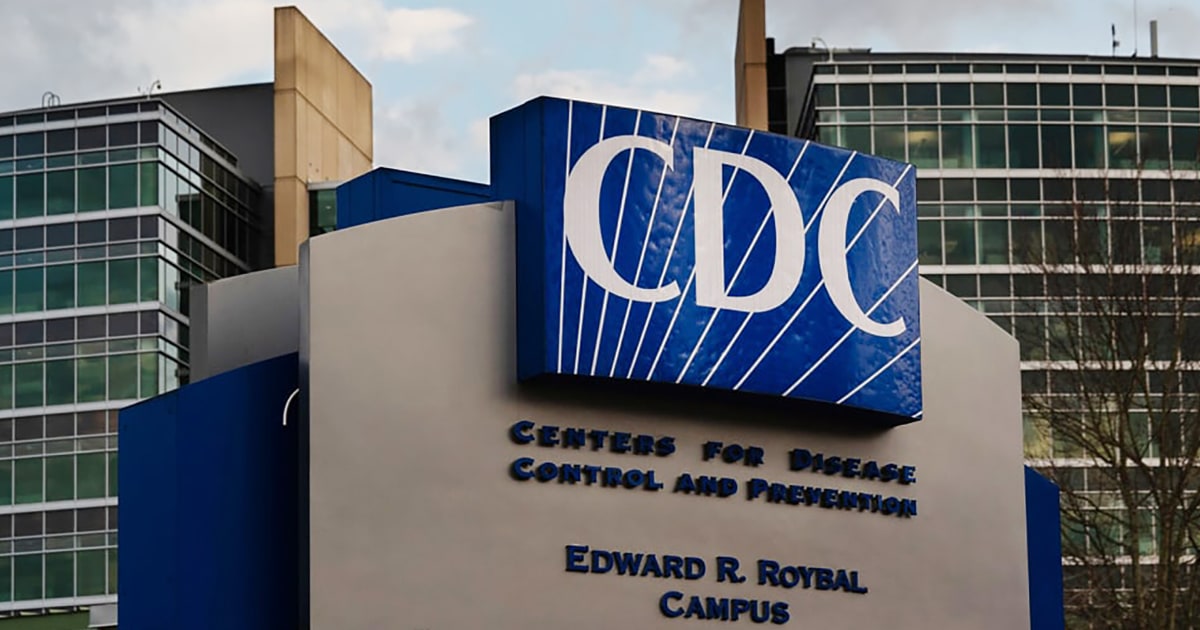
A recent study has revealed that nearly half of the databases maintained by the Centers for Disease Control and Prevention (CDC) have not been updated, raising concerns about the impact on public health surveillance. The findings, published on October 30, 2023, in the journal Annals of Internal Medicine, indicate that as of early 2025, the CDC had 82 databases that were regularly updated, tracking vital public health information, including vaccination rates and hospitalizations for respiratory illnesses. By the end of October, however, 38 of these databases had not received any updates for at least six months.
The researchers noted that the unexplained pauses in updates began primarily in March and April 2025, shortly after Donald Trump took office as President and Robert F. Kennedy Jr. was confirmed as Secretary of Health and Human Services. The study highlighted that approximately 90% of the paused databases were related to vaccinations, suggesting a troubling trend in the CDC’s role as a national record keeper.
According to the authors of the study, including Noel Brewer, a professor of public health at the University of North Carolina at Chapel Hill, the lack of updated information poses significant challenges for understanding vaccination coverage at national and regional levels. This, in turn, complicates the response to potential outbreaks. Brewer remarked, “It’s curious that all these changes are primarily, and almost exclusively, in the area of vaccination.”
Public health experts, including Dr. Lisa Lee, who previously worked at the CDC, have expressed concern over the implications of these data gaps. Lee emphasized that local health officials often rely on CDC databases to inform their responses to public health crises. She noted that if vaccine uptake declines and diseases like wild-type polio reemerge, the surveillance systems that should alert officials would be compromised due to outdated information.
Andrew Nixon, a spokesperson for the Health and Human Services Department, stated that the CDC continues to report on Covid and respiratory syncytial virus (RSV) activity through its surveillance systems. Nixon clarified that changes to database updates are routine and not driven by political factors, asserting that “public health data reporting is driven by scientific integrity, transparency, and accuracy” under the current administration.
In contrast, Dr. Jeanne Marrazzo, CEO of the Infectious Diseases Society of America, criticized the CDC’s inaction, arguing that the pause in updates reflects a “profound disregard for human life.” Marrazzo, who served as director of the National Institute of Allergy and Infectious Diseases until she was dismissed by Kennedy in September 2023, claimed that the administration’s stance against vaccines has disrupted the vital flow of information needed to protect public health.
The study’s authors, a diverse group of public health and medical experts, speculate that the CDC’s decision to halt updates may be linked to workforce reductions, budget cuts, or changing attitudes toward vaccines among federal health officials. This situation reflects a broader trend of changes to the CDC’s website, which has included the dissemination of unreliable information that contradicts established scientific consensus.
In a notable example, a webpage that previously asserted vaccines do not cause autism was altered to suggest that “studies have not ruled out the possibility.” This revision contradicts decades of research demonstrating no link between autism and vaccines. Additionally, the CDC has removed language related to gender identity and diversity, equity, and inclusion from its website, along with information regarding HIV and contraception.
These website changes are part of a larger overhaul of public health agencies under Kennedy’s leadership. Since his appointment as health secretary, the U.S. has ceased recommending routine Covid vaccinations for healthy children, reduced funding for mRNA vaccine research, and adjusted the childhood vaccination schedule to include fewer universal recommendations. Kennedy also dismissed the CDC’s previous vaccine advisory committee, replacing it with a group that has expressed skepticism towards vaccinations.
Marrazzo advised caution regarding some of the new recommendations, stating, “If I were a parent, I would trust my board-certified pediatrician, who hopefully is a member of, or aligned with, the American Academy of Pediatrics.” The American Academy of Pediatrics has since released its own guidance for childhood vaccines, which aligns with the schedule the CDC previously recommended before Kennedy’s recent changes.
As the pause in updates continues, the implications for public health remain significant, highlighting the need for transparency and reliable data in monitoring vaccination trends and disease outbreaks.