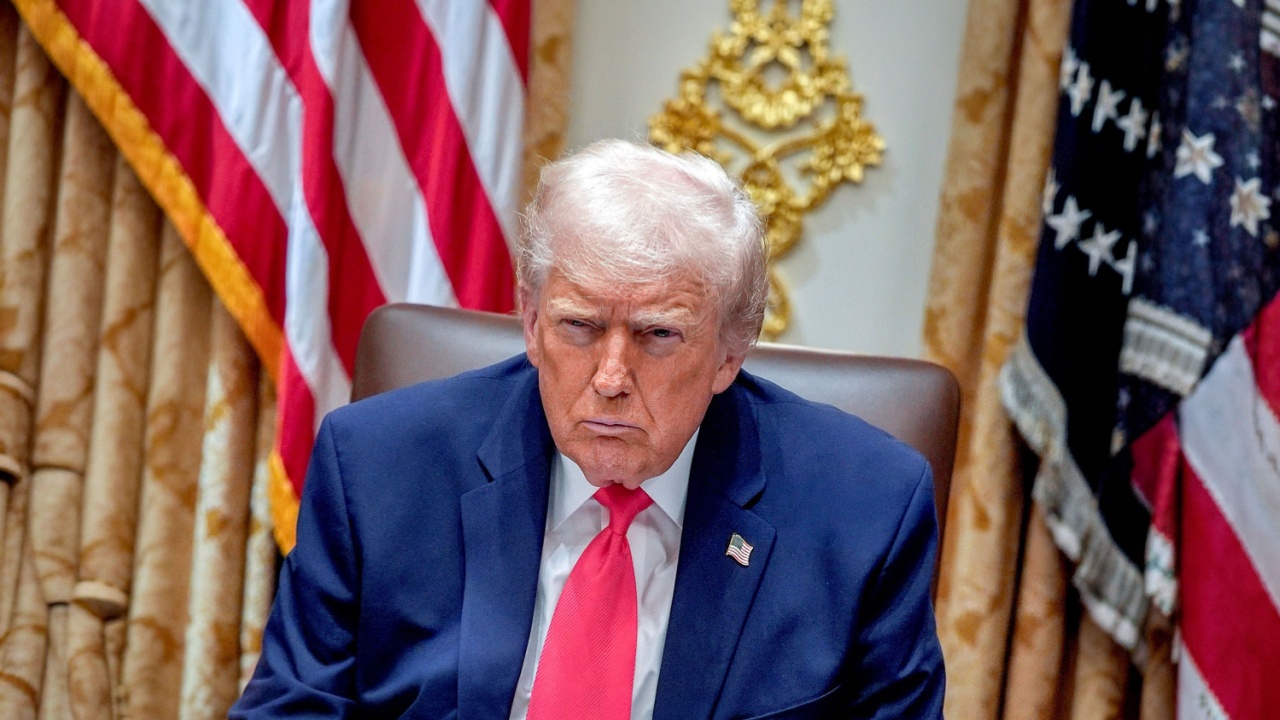
The United States is adjusting its diplomatic strategy regarding Greenland, moving from a confrontational approach to one focused on cooperation. President Donald Trump recently announced a new “complex” security framework related to Greenland’s defense during remarks at the World Economic Forum in Davos, Switzerland, while retracting previous threats of tariffs against European allies who deployed military contingents to the island.
Shifting the Narrative on Arctic Engagement
The Trump administration’s initial stance had raised concerns among US allies, particularly in Europe. The threat of tariffs against countries including France, Germany, and the United Kingdom risked straining relationships at a time when collective security in the Arctic is paramount. However, the recent shift in tone suggests an understanding that success in the Arctic requires more than just military might; it necessitates building partnerships through diplomacy and respect.
Greenland, a territory of Denmark, is strategically critical as it plays a vital role in US missile defense systems and is rich in essential resources such as oil, gas, and rare earth minerals. These resources are crucial for various technologies, including smartphones and defense systems, making Greenland an essential player in the geopolitical landscape as competition intensifies between the US, Russia, and China.
As climate change opens new maritime routes, both Russia and China have been increasing their presence in the Arctic. Moscow has expanded its military capabilities in the region, while Beijing has declared itself a “near-Arctic state” and has invested in research and infrastructure projects in Greenland. This backdrop underscores the importance of US engagement in Greenland, not only for defense but also for securing vital economic interests.
The Path Forward: Building Trust and Cooperation
The new framework discussed at Davos reportedly includes updates to the existing 1951 US-Danish defense agreement, which allows US military operations in Greenland while respecting Danish sovereignty. This collaborative approach aims to fortify Arctic security against external threats while addressing the growing influence of Russia and China.
For Greenland, the implications of pursuing independence from Denmark are complex. Although the territory has gained expanded autonomy since 2009, leaving the Danish NATO umbrella could expose it to vulnerabilities, particularly in the face of economic coercion from larger powers. The security of Greenland remains closely tied to US military capabilities, making American engagement essential.
To successfully navigate this delicate situation, the US must prioritize charm and diplomacy over coercive tactics. Trump’s previous comments suggesting that the US would secure Greenland “one way or the other” sparked backlash in both Copenhagen and Nuuk, highlighting the need for a more respectful dialogue. The message that “Greenland is not for sale” resonated strongly among its inhabitants, necessitating a shift in strategy.
In addition to military cooperation, increased American investment in Greenlandic infrastructure and economic development could foster goodwill. Cultural exchanges and tourism initiatives would enhance mutual understanding and strengthen ties between the two nations. The US must demonstrate a commitment to partnership, recognizing the unique needs and aspirations of Greenland’s population.
As the geopolitical landscape evolves, it is crucial for the US to maintain strong relationships with its allies in Europe and beyond. The recent developments in Davos signal a potential turning point in US diplomacy towards Greenland, emphasizing the importance of collaborative strategies over aggressive posturing. The ability to blend hard and soft power can help ensure that the US remains a key player in the Arctic, safeguarding its interests while fostering stability in the region.
Dr. Agnia Grigas, a senior fellow at the Atlantic Council, emphasizes that effective diplomacy will not only strengthen US security in the Arctic but also build lasting trust with Greenland and its people. By prioritizing cooperation and understanding, the US can navigate the challenges of the 21st century and secure its position in the increasingly competitive Arctic landscape.