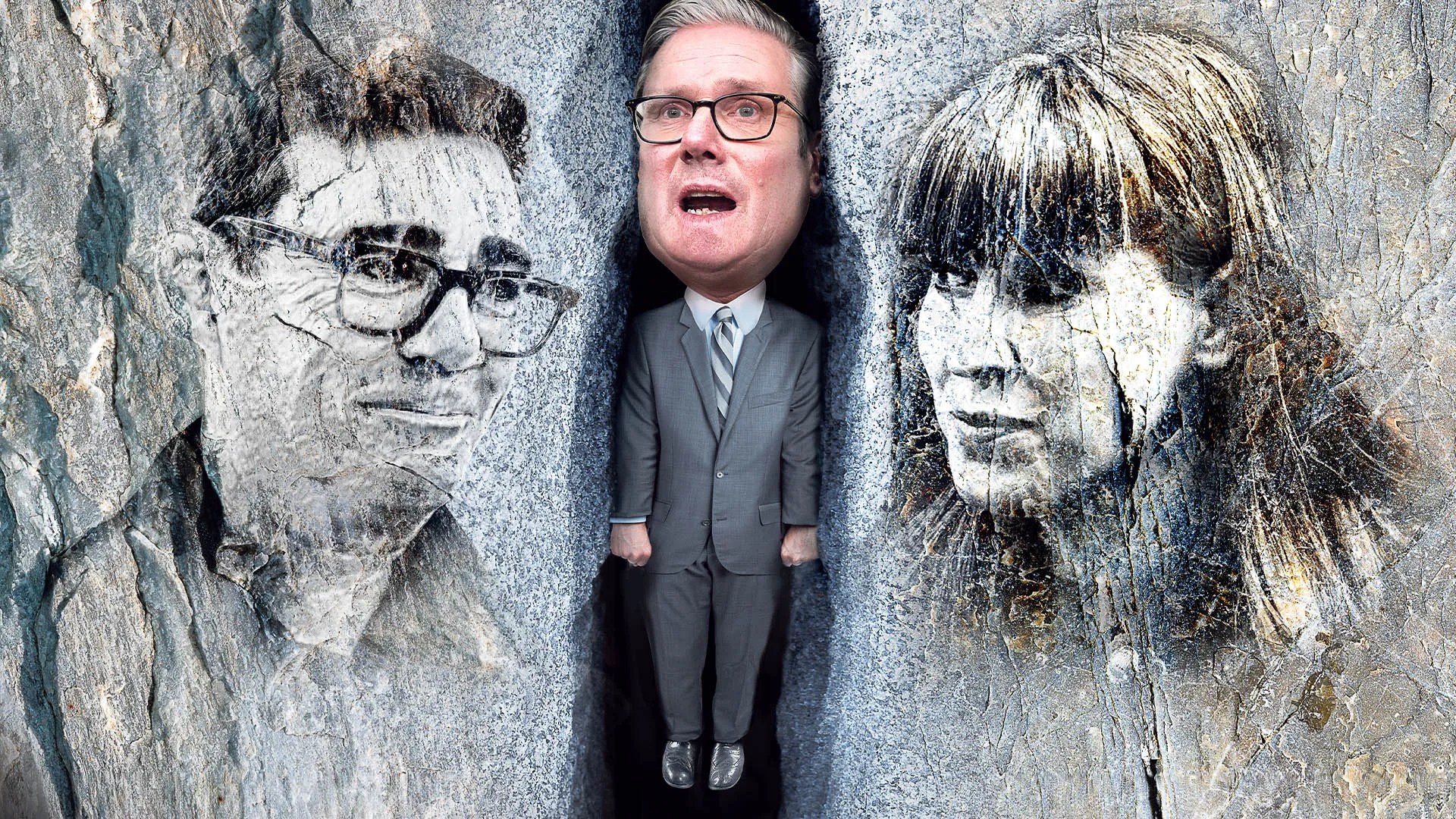
Sir Keir Starmer, leader of the UK Labour Party, is experiencing significant pressure from within his party as former Mayor of Greater Manchester, Andy Burnham, positions himself to challenge Starmer’s leadership. The latest development came when Burnham announced his candidacy for the parliamentary seat of Gorton and Denton, following the decision of Labour MP Andrew Gwynne to step down due to health issues. Burnham’s move has been met with support from key party figures, including former Deputy Prime Minister Angela Rayner, raising the stakes for Starmer as he navigates increasing internal dissent.
Burnham expressed his motivations for returning to Westminster, stating, “I have come to the conclusion that this is the moment to mount the strongest possible defence of what we stand for.” He emphasized the need for national change to mirror the local successes he has achieved in Manchester. His allies have reportedly been strategizing for some time to facilitate his return, aiming to challenge Starmer’s leadership directly.
Support for Burnham’s candidacy has gained momentum within the party, with Rayner urging the Labour’s National Executive Committee (NEC) to allow him to stand. She remarked, “We’ve got the fight of our lives on and therefore we should be pulling together.” Other prominent Labour figures, including Lucy Powell and London Mayor Sadiq Khan, have echoed her sentiments, calling for Burnham’s candidacy to be unblocked.
The NEC has the power to deny Burnham’s bid, a move that could provoke backlash from the party’s soft-left faction, potentially turning Burnham into a symbolic figure for dissenting voices within Labour. This situation marks the most significant challenge to Starmer’s authority during a turbulent week, which has also seen external pressures from international political dynamics.
During this time, Starmer faced criticism from former US President Donald Trump, who launched a series of attacks on the Labour leader’s leadership and policy decisions. Trump’s comments came after he proposed tariffs on several countries, including the UK, unless they complied with his controversial plans regarding Greenland. Starmer responded by condemning the tariffs as “completely wrong,” and later warned that such actions could trigger serious economic consequences.
The escalating tensions culminated in a public exchange between Starmer and Trump, with the Labour leader labeling Trump’s remarks about European allies as “insulting and frankly appalling.” Despite Starmer’s attempts to distance himself from Trump’s aggressive rhetoric, the Labour leader’s position has been called into question, particularly as he had previously sought to maintain a positive relationship with the former president.
As international relations strained further, Starmer found himself in a precarious position, juggling domestic political challenges while responding to external pressures from the US. The tensions surrounding the Chagos Islands, where the UK has a military base, added another layer of complexity to Starmer’s leadership, with Trump criticizing the UK for its decisions regarding the territory.
In light of these events, Starmer’s ability to consolidate his leadership amidst internal party challenges and external scrutiny will be tested. The coming weeks will likely reveal how effectively he can respond to both Burnham’s ambitions and Trump’s criticisms as he seeks to fortify his position within the Labour Party and on the global stage.