A federal judge has ruled against a request to block two New York City laws that require food delivery apps to prompt users for tips. On January 23, 2024, U.S. District Judge George B. Daniels denied an injunction sought by Uber and DoorDash, which had filed suit against the city on December 11, 2023. The companies argued that the laws infringed on their First Amendment rights by compelling them to engage in what they termed as compelled speech.
The two laws, set to take effect on January 26, 2024, mandate that food delivery platforms provide users with a prompt to tip delivery workers. The companies contended that this requirement violates their rights by forcing them to convey messages they do not endorse.
In his ruling, Judge Daniels stated, “The Tipping Laws concern commercial speech, which enjoys a ‘limited measure of protection.’” He further clarified that the tipping prompt does not involve the “propagation of views” or “advocacy of causes” as claimed by the delivery apps.
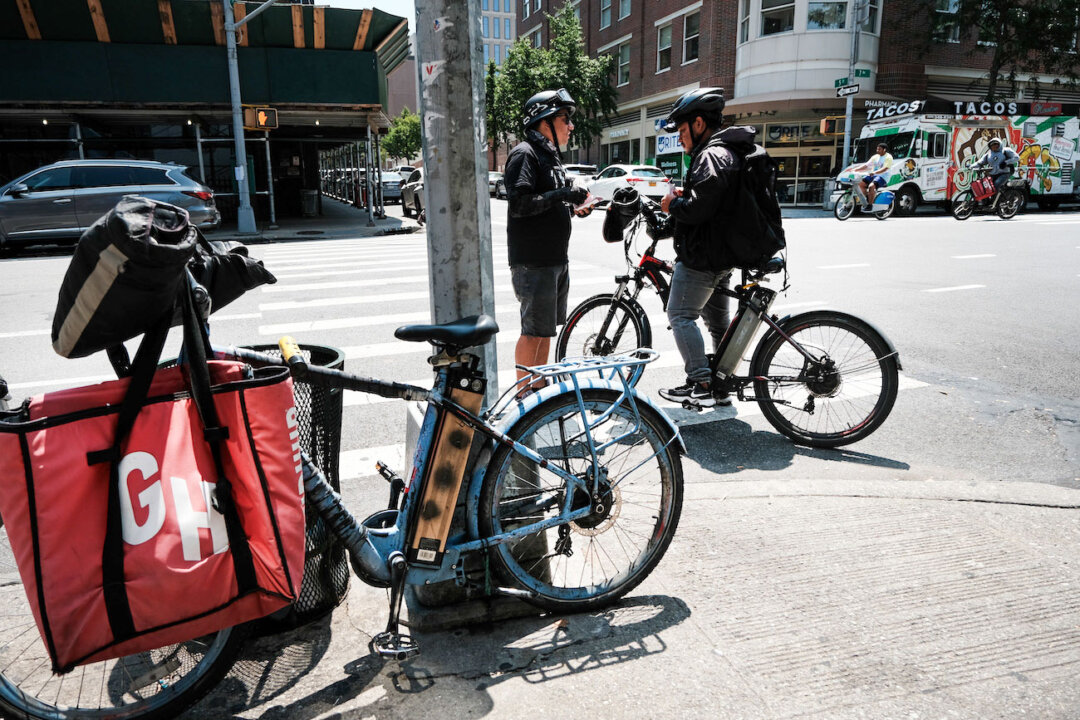
The legal battle reflects a broader discussion on the rights of gig economy companies and the expectations placed on them by municipalities. New York City’s laws aim to support delivery workers, many of whom rely heavily on tips for their income. This legal challenge highlights the tension between regulatory efforts and the business practices of major tech firms.
The implications of the ruling extend beyond New York City. If upheld, it could set a precedent for similar legislation in other jurisdictions, impacting how food delivery apps operate nationwide. The decision also raises questions about how the gig economy can adapt to evolving labor standards and consumer expectations.
Both Uber and DoorDash have not indicated their next steps in the litigation process. They remain committed to advocating for their business models while navigating the regulatory landscape that governs their operations.
This ruling underscores the ongoing debate about worker compensation in the gig economy and the responsibilities of tech companies in addressing these issues. As cities continue to grapple with the complexities of labor laws, the outcome of such cases will likely influence future policies affecting both workers and the platforms that employ them.