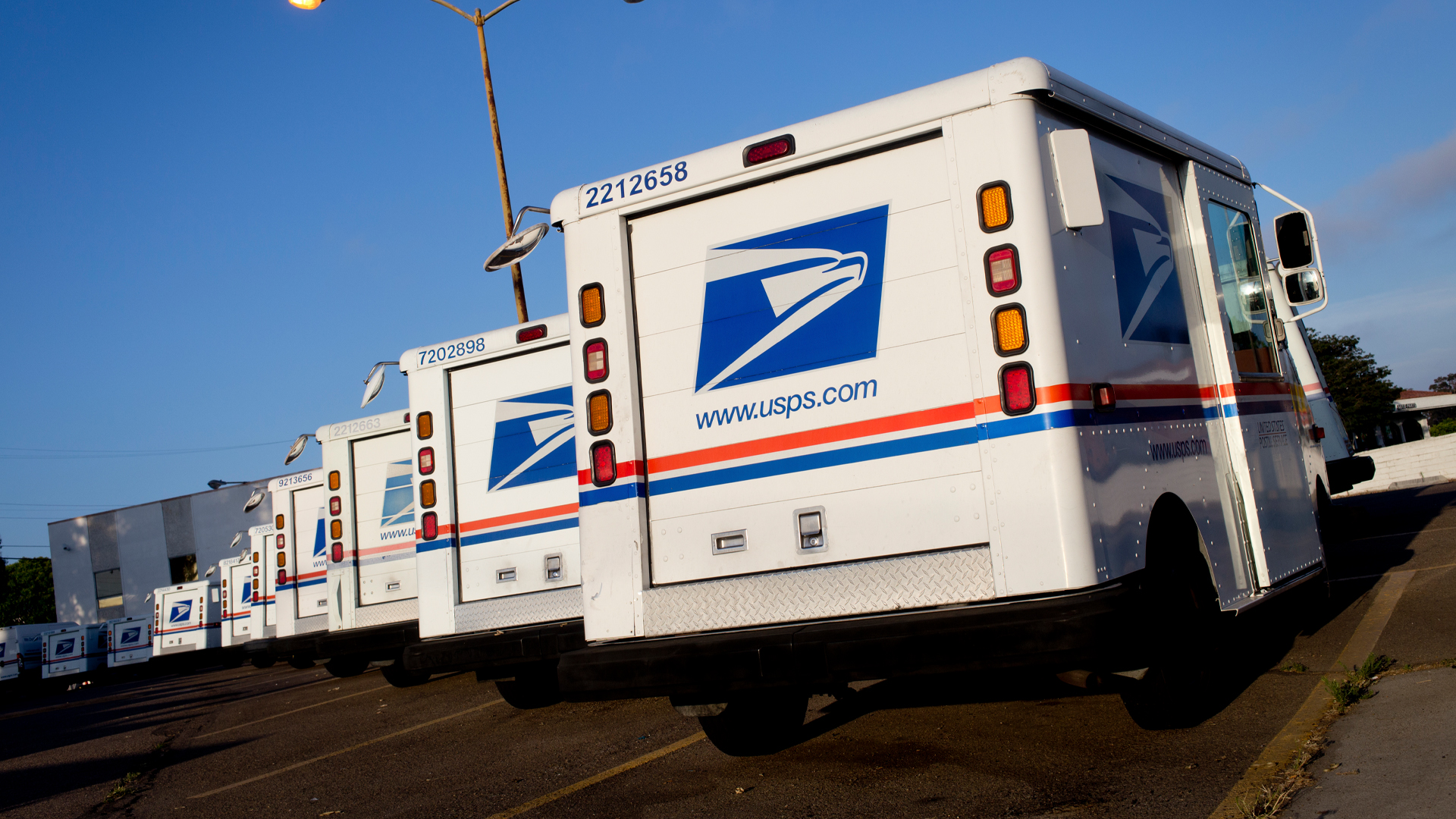
URGENT UPDATE: Millions of Americans are facing rising delivery fears as Amazon prepares to end its long-standing partnership with the United States Postal Service (USPS). This significant shift could drastically alter package delivery times and methods for shoppers across the country. The split is expected to take effect when the current agreement expires in late 2026, following unsuccessful negotiations for a new deal.
For decades, USPS has served as a crucial “last-mile” carrier for Amazon, especially in rural and hard-to-reach areas where private delivery services struggle to operate profitably. Recent reports indicate that ongoing contract discussions and changes in USPS pricing have prompted Amazon to shift more deliveries in-house, according to MSN.
This transformation occurs as USPS grapples with severe financial challenges, reporting a staggering $9.0 billion net loss for fiscal year 2025, following a $9.5 billion loss the previous year. Amazon, which has generated over $6 billion in annual shipping revenue for USPS, is now doubling down on its rapidly expanding logistics network to enhance speed, reduce costs, and improve customer satisfaction.
Shoppers in rural communities may feel the most significant impact, as USPS has historically filled delivery gaps where other carriers fall short. As Amazon increases its delivery capacity, customers in these areas may experience extended delivery windows and decreased reliability, while urban consumers might simply notice different uniforms at their doorsteps as Amazon drivers take over.
The potential job implications of this shift are alarming, with analysts estimating that up to 100,000 jobs could be affected across various postal operations and delivery services linked to Amazon’s volume. Although these jobs may not disappear overnight, any prolonged decline in package deliveries could lead to significant staffing changes in multiple regions.
USPS has relied on increasing package deliveries to counteract declining traditional mail volume. The loss of Amazon’s business could pressure the agency to expedite cost-cutting measures, rethink delivery routes, and reduce staffing through attrition and restructuring.
In response to this mounting crisis, USPS is exploring new business opportunities, including opening its delivery network to competitive bidding from other shipping companies. Meanwhile, Amazon’s move aligns with a broader trend of vertical integration, as it seeks to establish a delivery system that it fully controls.
Critics of this shift argue that it could disadvantage smaller retailers unable to compete with Amazon’s speed and pricing capabilities. Industry experts warn that this change could reshape competition across the U.S. shipping market, as Amazon relies less on USPS and its rivals, UPS and FedEx.
As these developments unfold, consumers and businesses alike are left wondering how this significant shift will impact package deliveries, prices, and competition in the rapidly evolving shipping landscape. Stay tuned for more updates on this critical story, as the ramifications of Amazon’s decision continue to develop.