UPDATE: Federal authorities have just labeled individuals monitoring Immigration and Customs Enforcement (ICE) operations as “domestic terrorists,” escalating tensions in Minneapolis following the fatal shooting of Renee Good by an ICE officer. This incident has ignited a wave of activism, with a reported 300% increase in volunteers signing up to become legal observers in just days.
In the aftermath of Good’s tragic death on January 7, 2023, community advocacy group COPAL has witnessed an unprecedented mobilization. “The killing of Renee Good lit a fire under the community,” stated Ryan Perez, Leadership and Organizing Director at COPAL. “It really is a remarkable moment.” As ICE intensifies its operations nationwide, Minneapolis has become a critical hub for both enforcement and community resistance.
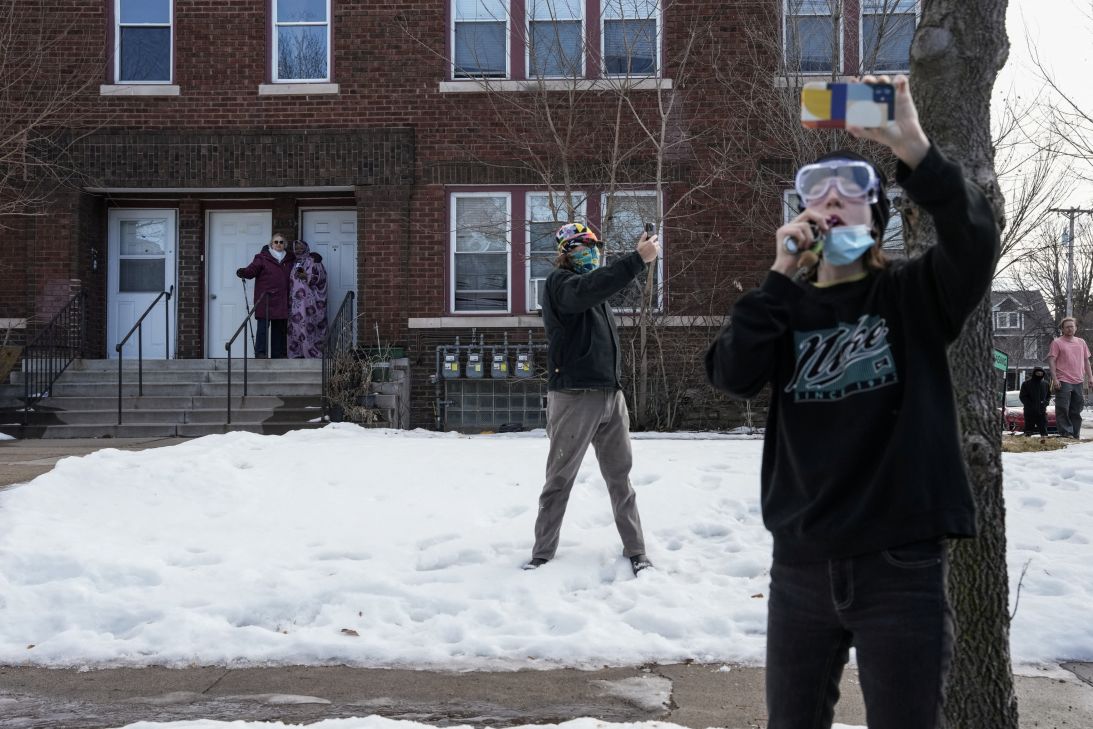
Volunteers known as ICE observers are stepping up their efforts, employing tactics such as documenting arrests and alerting neighbors to the presence of federal agents. Protests have erupted across the country, fueled by fears of aggressive enforcement actions and the tragic implications of Good’s death, where she was allegedly shot after attempting to block ICE agents with her vehicle.
Volunteers include parents, teachers, and community leaders, all trained to legally document federal enforcement actions using cell phones while warning nearby residents with whistles and horns. “People that look a lot like Renee Good—moms, retirees—are stepping up,” Perez noted, reflecting a diverse group of citizens now participating in these activities.
In North Carolina, the group Siembra NC has established an ICE watch hotline, emphasizing the dire safety concerns facing immigrants in the wake of heightened federal presence. “After the killing of Renee Good, our volunteers are asking, ‘Can they get away with this?’” said Andrew Wills Garces, a senior strategist with Siembra NC.
As the situation unfolds, legal experts weigh in on the implications of observer activities. “Using whistles to signal law enforcement and recording their actions is protected by the First Amendment,” explained Gregory Magarian, a law professor. However, some observers are facing scrutiny for sharing information about ICE agents online, leading to potential legal challenges.
President Donald Trump has responded to the growing unrest, threatening further intervention if protests continue. He criticized community members involved in monitoring ICE as “troublemakers” and “agitators,” framing the actions of observers as a significant challenge to his administration’s immigration policies.
ICE officials maintain that their officers are trained to handle situations safely and effectively, emphasizing that any physical interference with their operations is illegal. “Our officers face significant risks daily and are committed to following protocols to ensure public safety,” stated Tricia McLaughlin, Assistant Secretary at the Department of Homeland Security.
As tensions rise, the role of ICE observers is becoming increasingly complex, balancing the thin line between legal activism and potential legal repercussions. Observers are instructed to maintain a safe distance from agents and avoid any form of obstruction, adhering strictly to protocols designed to protect both themselves and those they aim to assist.
This situation continues to evolve rapidly, with communities rallying in support of one another as they navigate the challenges posed by federal enforcement actions. Stay tuned for updates as this developing story unfolds.