One year into his second term, President Donald Trump has shifted dramatically from his aspirations of unity to a more aggressive foreign policy. In January 2026, just three weeks into the new year, Trump ordered military action against Venezuela and made provocative statements regarding potential intervention in Iran and Greenland. These actions raise concerns about the stability of international relations, especially given the President’s earlier claim that his “proudest legacy will be that of a peacemaker and unifier.”
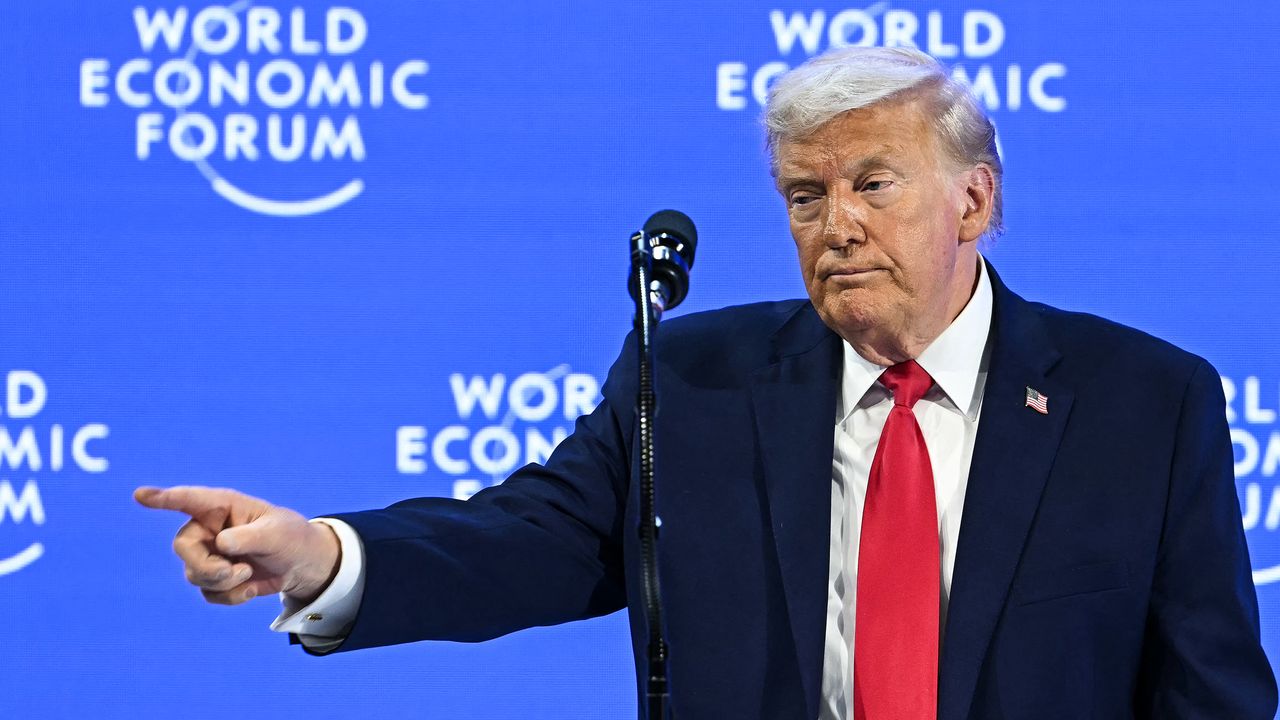
At a recent address at the World Economic Forum in Davos, Trump emphasized that the United States would not use force to take control of Greenland. However, his administration’s aggressive stance towards NATO allies and other nations continues to create uncertainty. In a letter to the Prime Minister of Norway, Trump stated, “I no longer feel an obligation to think purely of Peace,” highlighting a stark departure from his previous rhetoric.
Public Sentiment and Political Consequences
As Amy Davidson Sorkin pointed out, the political climate has shifted significantly. She notes an “undercurrent of political violence” that was less pronounced a year ago. Despite a surge in bold ambitions, Trump’s public approval ratings remain low, with midterm elections approaching. Sorkin emphasizes that while Trump can disrupt many systems, his successor will have substantial power to address these issues and restore stability.
Many Americans express concern over Trump’s immigration policies. Michael Luo, executive editor, highlights a disconnect between the cruelty of the administration’s deportation agenda and the level of outrage among the populace. Polls indicate that a majority of Americans oppose these policies, yet the urgency for collective action seems muted. Luo suggests that this desensitization may stem from the frequency of alarming news or a longstanding empathy gap towards immigrants.
Expectations and Surprises in Governance
With Trump back in office, Susan B. Glasser remarks that his actions have been largely predictable. The real surprise lies in the complicity of those who have supported or enabled his policies. Without their backing, Trump could have remained a retired figure in Florida.
From a financial standpoint, John Cassidy notes that the markets have surprisingly remained resilient despite Trump’s controversial policies. After introducing steep tariffs in April 2025, the administration quickly backtracked following market backlash. This led to the term “TACO”—an acronym for “Trump Always Chickens Out.” While Wall Street initially absorbed the shock, the recent tensions over Greenland have reignited investor concerns.
The chaotic nature of Trump’s administration has left many observers perplexed. E. Tammy Kim describes the unpredictable dismantling of federal agencies, with employees being hired and fired in rapid succession. She characterizes the administration’s approach as a drama of attack and retrenchment, suggesting that it is far from over.
Another notable aspect of this administration is the apparent exploitation of presidential power for personal gain. David D. Kirkpatrick points out that the Trump family is pursuing numerous lucrative deals globally, leveraging the presidency for financial benefit, including ventures in cryptocurrency. This marks a stark contrast to Trump’s first term, where such activities were more restrained.
Lastly, Ruth Marcus reflects on the speed and breadth of Trump’s actions during his second term, from dismantling federal regulations to a newfound inclination towards imperialism. The unexpected shift towards a more interventionist foreign policy, termed the “Donroe Doctrine,” has caught many by surprise.
As Trump’s presidency continues, the implications for both domestic policy and international relations remain significant. The upcoming months will likely reveal whether his administration can pivot back to a more conciliatory stance or if tensions will escalate further.