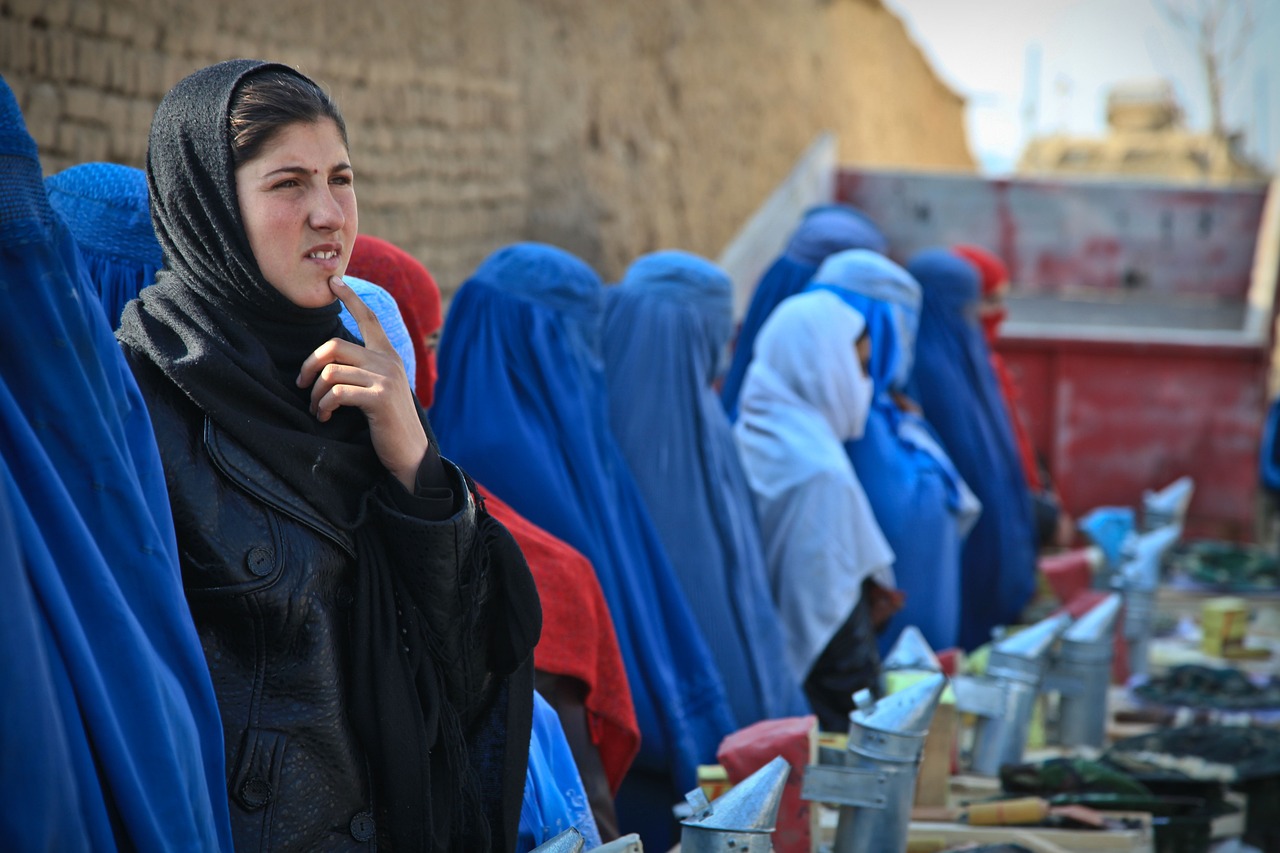
UN experts have urged member states to recognize gender apartheid as a crime against humanity, emphasizing its inclusion in the draft treaty on the Prevention and Punishment of Crimes Against Humanity. The call came on October 30, 2023, particularly highlighting the plight of women in Afghanistan under Taliban rule.
Addressing Women’s Rights in Afghanistan
The UN Working Group on Discrimination Against Women and Girls emphasized the dire circumstances faced by Afghan women. Since the Taliban’s takeover in August 2021, women have been systematically deprived of their rights to education, work, and public participation. The group argues that including gender apartheid in the treaty is crucial for accountability regarding these violations under international law.
Richard Bennett, the UN Special Rapporteur on Human Rights in Afghanistan, supported the call, reinforcing the need for meaningful participation of women in the treaty drafting process. He stated, “The lived reality of Afghan women must be at the forefront of our discussions.” This sentiment reflects a broader concern about addressing the systemic oppression faced by women in various contexts.
Legal Framework and Global Response
In May 2024, the Working Group recommended that the UN Human Rights Council formally recognize gender apartheid as a distinct crime against humanity, in addition to existing definitions of gender persecution. The current framework describes gender persecution as the “intentional and severe deprivation of fundamental rights contrary to international law by reason of sex characteristics.” However, the group contends this definition is insufficient to encompass the systemic nature of human rights violations.
Despite existing international treaties that advocate for gender equality, discriminatory practices persist globally. The group argues that recognizing gender apartheid is essential to dismantle entrenched gender-based oppression. In December 2025, Human Rights Watch also pushed for the inclusion of gender apartheid in the draft treaty, advocating for provisions addressing reproductive violence and forced marriage.
According to international human rights lawyers Akila Radhakrishnan and Alyssa Yamamoto, as of May 2024, ten member states expressed willingness to explore the codification of gender apartheid within the treaty. The European Parliament echoed this support in an October 2025 press release, condemning the Taliban’s actions and pledging to back the recognition of gender apartheid as a crime against humanity.
International Accountability Efforts
Since the Taliban’s resurgence, various rights groups and international bodies have begun documenting human rights abuses in Afghanistan. In 2023, Human Rights Watch concluded that the systematic gender persecution carried out by the Taliban constitutes a crime against humanity under the Rome Statute. Following this, 26 countries called on the Taliban to halt violations of the UN Convention on the Elimination of All Forms of Discrimination Against Women.
The UN International Law Commission recognized the prohibition of crimes against humanity as a peremptory norm in 2019. The draft treaty is viewed as a significant step toward ensuring accountability for such crimes. Notably, draft article 7 aims to establish universal jurisdiction, permitting member states to prosecute individuals accused of crimes against humanity, regardless of their nationality or the location of the offense.
This ongoing dialogue around gender apartheid highlights the urgent need for global action to address the systemic violations faced by women, particularly in countries like Afghanistan. The UN experts’ recommendations may pave the way for a more robust international legal framework aimed at protecting women’s rights and ensuring accountability for abuses worldwide.