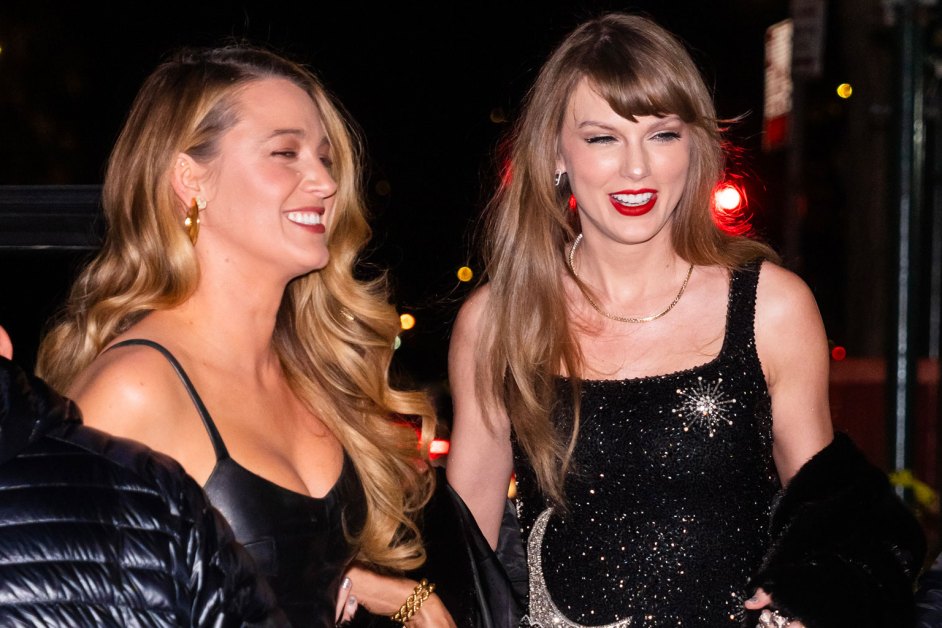
Blake Lively’s private text messages with Taylor Swift have been unsealed, revealing sharp criticisms directed at Justin Baldoni amidst ongoing legal disputes related to the film It Ends With Us. The release follows a judge’s ruling that the duo’s conversations about their experiences on set are pertinent to Lively’s claims of sexual harassment and retaliation against Baldoni, who serves as both co-star and director.
These messages came to light as part of the litigation process, where Baldoni and his production company, Wayfarer Studios, previously succeeded in a court ruling last June. The court determined that Swift’s texts were relevant to Lively’s case, leading to their eventual disclosure. Recent batches of these communications depict Baldoni in a less than flattering light, with Lively referring to him as a “doofus director,” a “clown,” and a “bitch” surrounded by a “gaggle of supervillains.”
In a particularly revealing exchange from December 2024, identified as “Exhibit 89,” Swift commented on a favorable article about Baldoni. She noted, “I think this bitch knows something is coming because he’s gotten out his tiny violin.” Swift further likened the dynamics surrounding Baldoni and others to “a horror film no one knows is taking place.”
The texts also showcase Lively’s candid reflections on her situation. She expressed concerns about the emotional toll it had taken on her, stating, “This f—ing guy and what he did to me gave me an identity crisis. Legitimately,” adding, “F— that guy and his whole gaggle of supervillains.”
Initially, Baldoni sought to obtain the texts directly from Swift through a subpoena but later decided to pursue Lively’s messages through standard discovery. The filmmaker attempted to file a countersuit, alleging defamation against Lively and her associates, but Judge Liman dismissed these claims as legally invalid in mid-2025.
Lively’s legal strategy also involves a subpoena directed at music executive Scooter Braun, a known adversary of Swift. The actress requested information from Braun regarding a supposed public relations campaign orchestrated by The Agency Group PR, which is reportedly associated with Braun’s company, HYBE America.
As the legal drama unfolds, the revelations from these texts add layers to an already complex narrative involving personal relationships, professional boundaries, and the entertainment industry’s inner workings. The implications of these communications may significantly impact the ongoing litigation and the public’s perception of those involved.