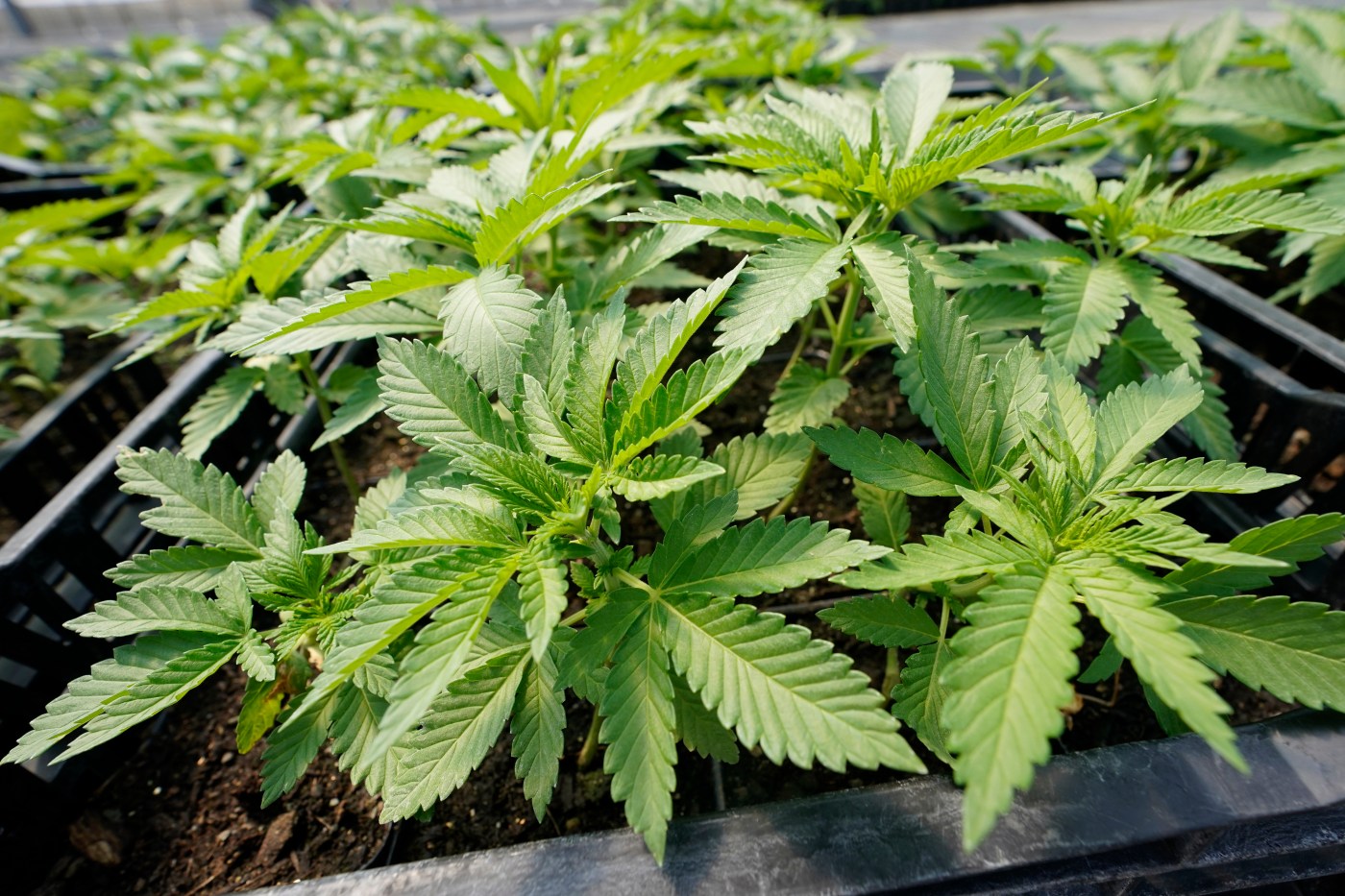
Supporters of a recreational marijuana initiative in Florida are racing against a critical deadline of February 1, 2024, as they accuse Governor Ron DeSantis’ administration of failing to comply with state laws regarding the verification of petition signatures. The political committee behind the proposal, Smart & Safe Florida, has initiated legal action seeking a court order to compel Secretary of State Cord Byrd to fulfill his obligations to report the number of valid signatures on a weekly basis. The number of valid signatures on the state’s website has not changed since November 23, 2023.
The lawsuit, filed in Leon County circuit court, is part of an ongoing conflict over the proposed constitutional amendment that would permit adults aged 21 and over to use recreational marijuana. This initiative faces significant opposition from DeSantis, who previously helped defeat a similar measure in 2024. The proponents must gather at least 880,062 valid signatures to qualify for the November ballot. As of now, the Secretary of State’s office reports 675,307 valid signatures, despite claims from Smart & Safe Florida that over 700,000 signatures have been verified.
According to the committee’s legal representatives, without timely updates from state officials, they are “essentially flying blind” regarding their status for ballot placement. They argue that the lack of current data significantly hampers their campaign efforts, particularly in targeting resources effectively to meet both statewide and congressional district signature requirements. Under Florida law, local election supervisors and Byrd’s office were mandated to provide weekly updates starting December 1, 2023, and continue until the February deadline.
The situation has been exacerbated by ongoing legal challenges concerning the validity of certain petition signatures. On January 5, Circuit Judge Jonathan Sjostrom ruled that state election officials improperly invalidated approximately 42,000 signatures from “inactive” voters. However, the judge also upheld a directive to invalidate nearly 29,000 signatures collected by out-of-state petition gatherers. Both parties are appealing aspects of the ruling to the 1st District Court of Appeal, which has established an expedited schedule for the appeals process.
As the case unfolds, election supervisors are struggling to keep up with conflicting directives regarding signature validation. David Ramba, executive director of the Florida Supervisors of Elections Association, expressed concerns about the changing interpretations of the law, noting, “We’re literally going through boxes of the same petitions over and over again.”
In addition to the legal challenges surrounding the petitions, James Uthmeier, the Attorney General, announced a “major escalation” in investigations into potential election fraud related to the initiative. His office initiated 46 new criminal investigations and issued four subpoenas for records from Smart & Safe Florida and its affiliates. Investigations revealed that around 50 petition circulators had submitted 14,500 petitions that raised significant concerns, with 7,100 already validated by county elections supervisors.
Uthmeier’s office has already arrested or issued warrants for nine petition circulators and anticipates further arrests. The subpoenas aim to explore whether any broader organizational misconduct occurred within the campaign. In response, Smart & Safe Florida noted that they have consistently reported discrepancies as required by law and emphasized their commitment to addressing any fraudulent activities.
As litigation intensifies and the February 1 deadline looms, the Florida Supreme Court is expected to hear arguments regarding the proposed amendment’s compliance with ballot placement requirements on February 5, 2024. The outcome of these proceedings could significantly impact the future of recreational marijuana in Florida, as both sides prepare for a contentious legal battle.