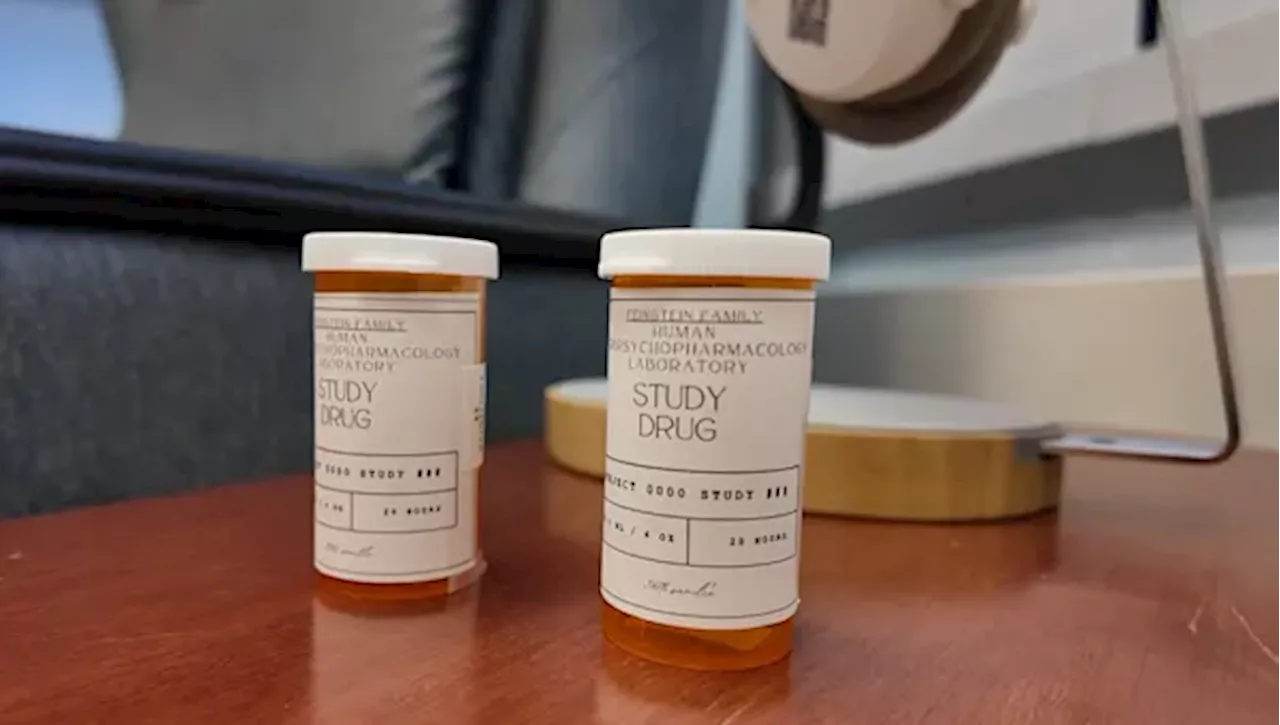
A new research initiative at Zucker Hillside Hospital, located on the Queens-Nassau border, is set to explore the therapeutic potential of psychedelic substances, including cannabis, MDMA, and psilocybin. The facility will focus on the effects of both legal and illegal substances on patients seeking psychiatric treatment. This initiative is spearheaded by the Center for Psychedelics Research and Treatment, aiming to redefine perceptions of psychedelics in a clinical context.
Dr. Nehal Vadhan, affiliated with Northwell Health, highlighted the evolving view of psychedelics. He stated, “Psychedelics have sort of come into a new age now where they’re being looked at not simply as drugs of recreation or self-exploration or even a drug of abuse but really as therapeutic medicine.” The research will investigate various applications, particularly the use of psilocybin to alleviate symptoms of social anxiety disorder, which can foster greater connections between patients and their external environments.
The lab’s innovative approach includes the use of a driving simulator, enabling researchers to assess how psychedelic substances and alcohol may impair driving abilities. Dr. Vadhan noted, “Field sobriety tests, measuring blood alcohol content, none of those things really are great at discerning impairment,” illustrating the lab’s commitment to developing more accurate measures of drug effects.
As preparations for the first study progress, Dr. Vadhan anticipates receiving final government approvals within the coming weeks. This research could significantly influence the understanding of psychedelics in mental health treatment and public safety.
The implications of this study extend beyond scientific inquiry; they touch on broader societal views regarding drug use and mental health care. With a focus on evidence-based outcomes, the Zucker Hillside team aims to contribute valuable insights into the potential benefits and risks of psychedelic substances in clinical settings.
The establishment of this lab marks a significant step in the ongoing discourse surrounding the use of psychedelics as a legitimate avenue for treatment, reflecting a shift towards a more nuanced understanding of these substances. As research unfolds, the medical community and the public alike will be watching closely to see how these findings may shape future therapeutic practices.