The concept of a “second brain” is intended to enhance productivity, yet for many users, it can lead to increased distraction and decreased engagement with their own thoughts. As individuals invest time in creating complex productivity systems, they often find themselves spending more energy on maintaining these setups rather than focusing on their core work.
This phenomenon raises important questions about how these tools are utilized. Instead of serving as a supportive aid, a second brain can inadvertently become a crutch, leading to a decline in cognitive engagement. The key is not to abandon these tools but to rethink their application in daily tasks.
Understanding the Structure of Second Brain Tools
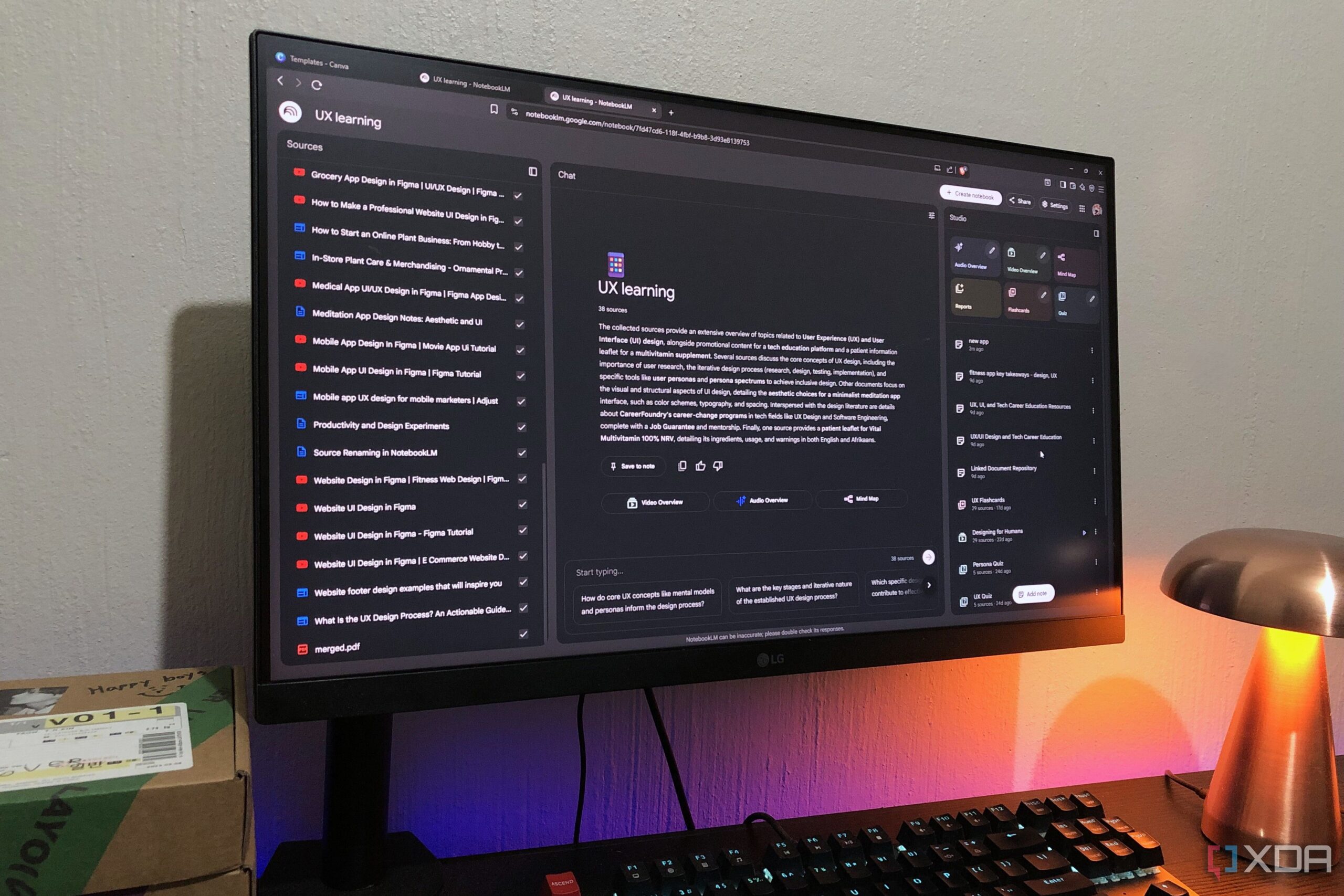
Every second brain application, such as NotebookLM or AFFiNE, comes with its own organizational model. This framework often dictates how information is stored and accessed. For instance, the block-based structure in AFFiNE requires users to adapt their workflows, potentially leading to inefficiencies. Users may find themselves forced to duplicate notes or utilize specific tags simply to conform to the application’s logic, which can hinder natural thought processes and decision-making.
As users juggle multiple tools, they encounter fragmented workflows, where each tool has its own terminology and organization system. This disconnect makes it challenging to seamlessly transfer information across platforms. Consequently, individuals may spend more time managing their tools rather than engaging deeply with their work. The reliance on various applications can dilute focus and creativity.
Risks of Over-Reliance on Second Brain Tools
While second brain applications excel at capturing information quickly, this capability can lead to a habit of hoarding rather than processing valuable insights. For instance, a browser extension for NotebookLM allows users to capture sources with a single click, but this ease can foster a passive approach to information management. Users may accumulate vast amounts of notes and links without actively engaging with their content, diminishing the effectiveness of their productivity efforts.
“Without actively revisiting and revising old content, it’s easy to start treating your archive as authoritative rather than provisional.”
Moreover, the structured nature of these tools can create a false sense of confidence in the accuracy of stored information, even when it may be outdated. Automated summaries and AI tools can exacerbate this issue, presenting obsolete data as valid. This reliance on static information can lead to misguided decisions, as users defer critical thinking to their digital archives.
To effectively navigate the challenges posed by second brain tools, users must actively engage their cognitive abilities rather than outsourcing their thinking. This shift can be as simple as returning to fundamental methods, such as using pen and paper for initial notes and ideas, allowing for a more tactile and engaging thought process.
By intentionally selecting a limited number of tools—one for knowledge curation and another for assistance, such as an AI tool for augmentation—users can streamline their productivity. This approach emphasizes the importance of personal judgment and reduces the risk of relying solely on automated systems.
Ultimately, while second brain tools can be beneficial, they require careful consideration in their implementation. Users must find a balance that allows these systems to enhance, rather than replace, original thought and decision-making. By being deliberate in their use, individuals can maintain cognitive engagement and improve overall productivity.