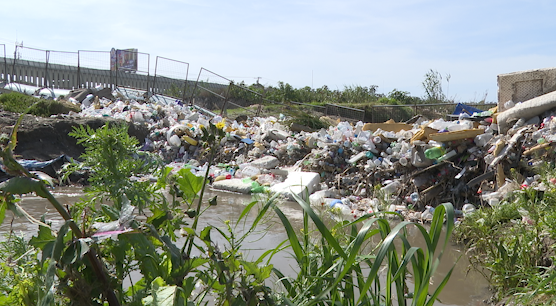
A critical infrastructure issue has been addressed as repairs were completed on a ruptured pipe that released more than 11.5 million gallons of toxic wastewater into the Tijuana River Valley. The repairs, finalized in October 2023, have alleviated immediate environmental hazards; however, lingering concerns about the long-term impact on local ecosystems and public health remain.
The pipe collapse was a significant environmental incident, prompting swift action from local authorities and environmental agencies. The release of toxic wastewater raised alarms about the potential contamination of surrounding areas, affecting both wildlife and communities that rely on the river.
Environmental Impact and Community Concerns
Despite the conclusion of repair work, experts warn that the ramifications of the wastewater spill could be far-reaching. Environmental groups have expressed apprehension regarding the potential for long-term damage to the river’s ecosystem. The Tijuana River has historically faced pollution challenges, and this recent incident has intensified scrutiny of ongoing environmental management efforts.
Officials from the International Boundary and Water Commission (IBWC) have assured the public that monitoring will continue to assess any adverse effects resulting from the spill. The IBWC emphasized the importance of maintaining water quality standards in the river, especially given its cross-border significance between the United States and Mexico.
Local residents have also voiced their concerns, particularly regarding the safety of recreational activities in the area. Many community members are worried about the risk of exposure to contaminated water, which could affect both their health and local tourism, an important economic driver for the region.
Future Steps and Ongoing Monitoring
Moving forward, a comprehensive assessment of the spill’s impact is crucial. Environmental scientists and government officials are working collaboratively to gather data on the water quality and the health of aquatic life in the Tijuana River. This includes testing for hazardous substances and evaluating the recovery of the ecosystem.
As repairs have been made, the focus will now shift to ensuring that such incidents do not recur. Authorities are exploring the installation of more robust infrastructure to prevent future ruptures and enhance the resilience of the region’s sewage systems.
The Tijuana River Valley represents not just a vital natural resource but also a shared environmental responsibility for both the United States and Mexico. The recent pipe rupture serves as a stark reminder of the need for continued vigilance in protecting this essential waterway.
In conclusion, while the urgent repairs to the ruptured pipe have been successfully completed, the path ahead involves careful monitoring and proactive measures to safeguard the Tijuana River and its surrounding communities from future environmental threats.