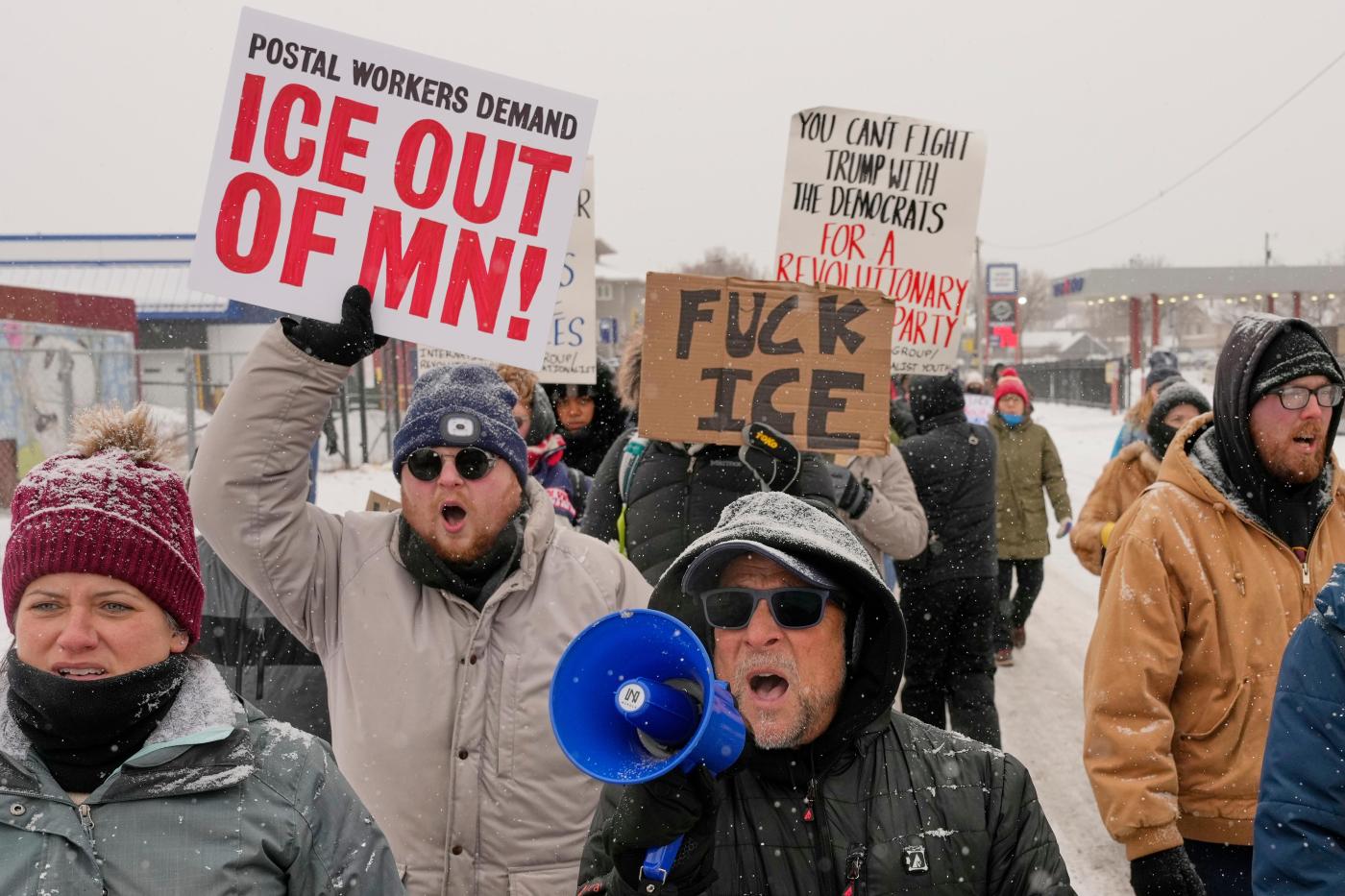
Discussions surrounding the governance and policies of the Trump administration have intensified, particularly regarding instances of violence and public safety. Various letters to the editor have raised concerns about the implications of state-sanctioned actions, the nature of protests, and the broader impact on American society.
Fear and Public Response to Violence
In a recent letter, Stephen Gutierrez expressed alarm over the perceived violence associated with the Trump administration. He referenced a disturbing incident involving an ICE agent in Minnesota, where a driver was shot and killed. Gutierrez stated, “I did not see a lawbreaker driving at a sworn officer,” and characterized the agent’s actions as excessive and unjustified. He highlighted a growing fear among citizens, suggesting that individuals who do not fit a certain profile are at risk in what he described as a lawless regime.
Conversely, another writer, John Griggs, challenged this perspective, questioning Gutierrez’s understanding of the event. Griggs emphasized the importance of drawing conclusions based on firsthand knowledge, stating, “Were you there? Did you witness all the preceding events?” This exchange reflects a broader divide in public opinion regarding the actions of law enforcement and the justification for protests.
International Relations and Strategic Concerns
Concerns have also emerged about Trump’s diplomatic strategies, particularly in relation to NATO and international allies. Robert Douglass criticized the administration’s approach, arguing that it risks undermining crucial alliances. He pointed out the strategic importance of Greenland’s mineral deposits and the potential for a cooperative agreement that could benefit both the U.S. and its allies. Douglass noted, “A proverbial ‘win-win-win’ is within reach for Greenland, Denmark, and the U.S.,” highlighting the ramifications of failing to engage effectively with international partners.
The dialogue surrounding these topics underscores a palpable tension in American society, as individuals grapple with differing views on governance and public safety. Daniel Mauthe remarked on this escalating tension, suggesting that without dialogue, the nation risks entering “very dangerous territory.” He urged for clarity in objectives from both protesters and law enforcement, indicating that vague statements from either side could exacerbate conflict.
Another significant point of contention raised in the letters involved the legal framework governing such protests and actions. One writer criticized the outdated legal system, stating that the Constitution, based on 18th-century principles, often leads to prolonged legal disputes. “Good luck with that, America,” Robert Thomas quipped, alluding to the challenges faced in modern legal interpretations.
The recent conviction of former Navy SEAL Gregory Vandenberg for transporting explosives during protests has further fueled discussions on domestic terrorism. Critics argue that the classification of such actions varies based on political agendas, raising questions about the consistency of law enforcement responses.
As these discussions unfold, they reflect broader societal concerns regarding safety, governance, and the interpretation of law. The contrasting perspectives highlight a nation at a crossroads, grappling with how to balance lawful resistance with public safety in an increasingly polarized environment.