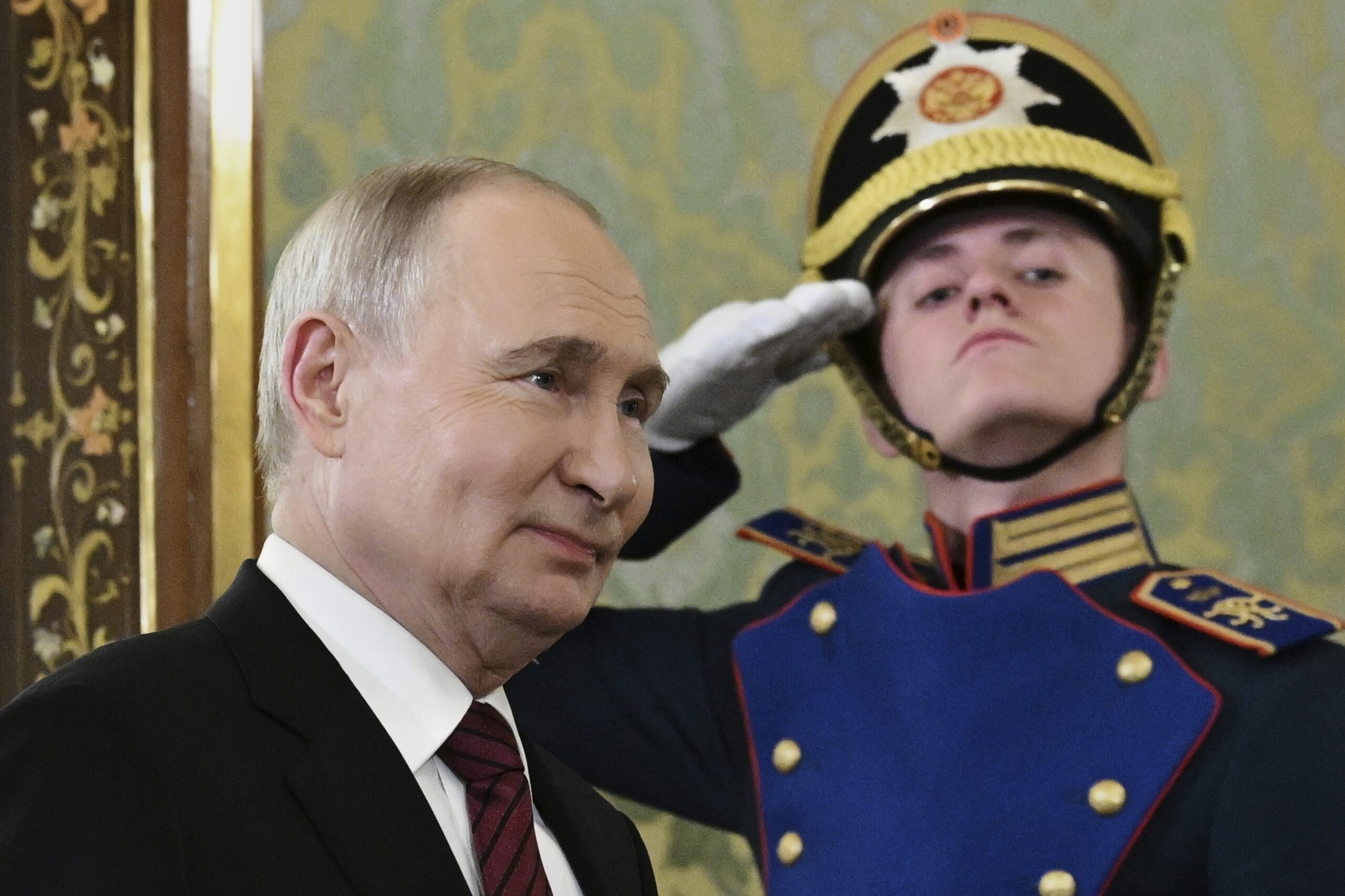
The Kremlin and various Russian media outlets have expressed enthusiasm over Donald Trump‘s recent statements regarding the potential annexation of Greenland. This assertion marks a notable moment in international relations, particularly concerning the dynamics of the North Atlantic Treaty Organization (NATO). Analysts suggest that this development could significantly impact longstanding alliances within the North Atlantic region.
Impact on NATO and Global Alliances
Vladimir Putin has long aimed to undermine NATO’s cohesion, and Trump’s remarks may serve as a catalyst for this goal. By promoting the idea of annexation, Trump not only stirs public interest in Greenland but also raises questions about the future of NATO. The alliance, formed in 1949, has been a cornerstone of transatlantic security, and any perceived weakening could have profound implications for international stability.
In recent days, several Russian officials have voiced their approval of Trump’s approach. They argue that his focus on Greenland could divert attention from NATO’s strategic objectives and create a rift among member states. Sergei Lavrov, Russia’s Foreign Minister, stated, “Any effort to destabilize NATO is welcome, as it aligns with our interests.” This sentiment reflects a broader Russian strategy aimed at exploiting divisions within Western alliances.
Greenland’s Strategic Importance
Greenland, an autonomous territory of Denmark, has gained renewed geopolitical significance due to its vast resources and strategic location. The island is situated between North America and Europe, making it a critical point for military and trade routes. In recent years, China has also shown interest in the region, further complicating its geopolitical landscape.
Trump’s earlier attempts to purchase Greenland in 2019 were met with widespread criticism and were ultimately dismissed by the Danish government. Nonetheless, his recent comments have reignited discussions about the territory’s future and its role within the broader geopolitical framework.
According to analysts, should the United States take a more aggressive stance on Greenland, it could lead to increased tensions with not only Denmark but also other NATO allies. The potential for Russia to exploit these tensions is a growing concern among military strategists.
The 2024 presidential election in the United States may further complicate the situation. Should Trump secure another term, his administration’s foreign policy could markedly shift, impacting alliances and international relations for years to come. Observers are closely monitoring how this issue unfolds, particularly in light of Russia’s interest in capitalizing on any division within NATO.
As the situation develops, it remains essential for global leaders to navigate these complexities carefully. The implications of Trump’s comments on Greenland extend beyond mere territorial ambitions; they could redefine relationships among nations and shift the balance of power in the North Atlantic region.