The lunar cycle begins anew today, January 18, as the Moon reaches its New Moon phase. At this stage, the Moon is situated directly between the Earth and the Sun, rendering it invisible in the night sky. This marks the final day of the current lunar cycle, and as we transition into the upcoming days, the Moon will gradually become more illuminated each night, culminating in the next Full Moon on February 1.
According to NASA’s Daily Moon Guide, tonight’s visibility of the Moon stands at a total of 0%. With no light reflecting off its surface, stargazers will not be able to see any features on the Moon tonight. This absence of visibility will soon give way to brighter nights as the lunar cycle progresses.
Understanding the lunar phases is essential to appreciate the changes that occur during this cycle. The Moon takes approximately 29.5 days to complete a full orbit around the Earth, passing through eight distinct phases along the way. While the same side of the Moon always faces Earth, the amount of sunlight shining on it varies based on its position in orbit.
Phases of the Lunar Cycle
The eight phases of the lunar cycle include:
1. **New Moon**: The Moon is positioned between the Earth and the Sun, making it invisible.
2. **Waxing Crescent**: A small sliver of light becomes visible on the right side.
3. **First Quarter**: Half of the Moon is illuminated on the right side, appearing as a half-Moon.
4. **Waxing Gibbous**: More than half of the Moon is lit, approaching fullness.
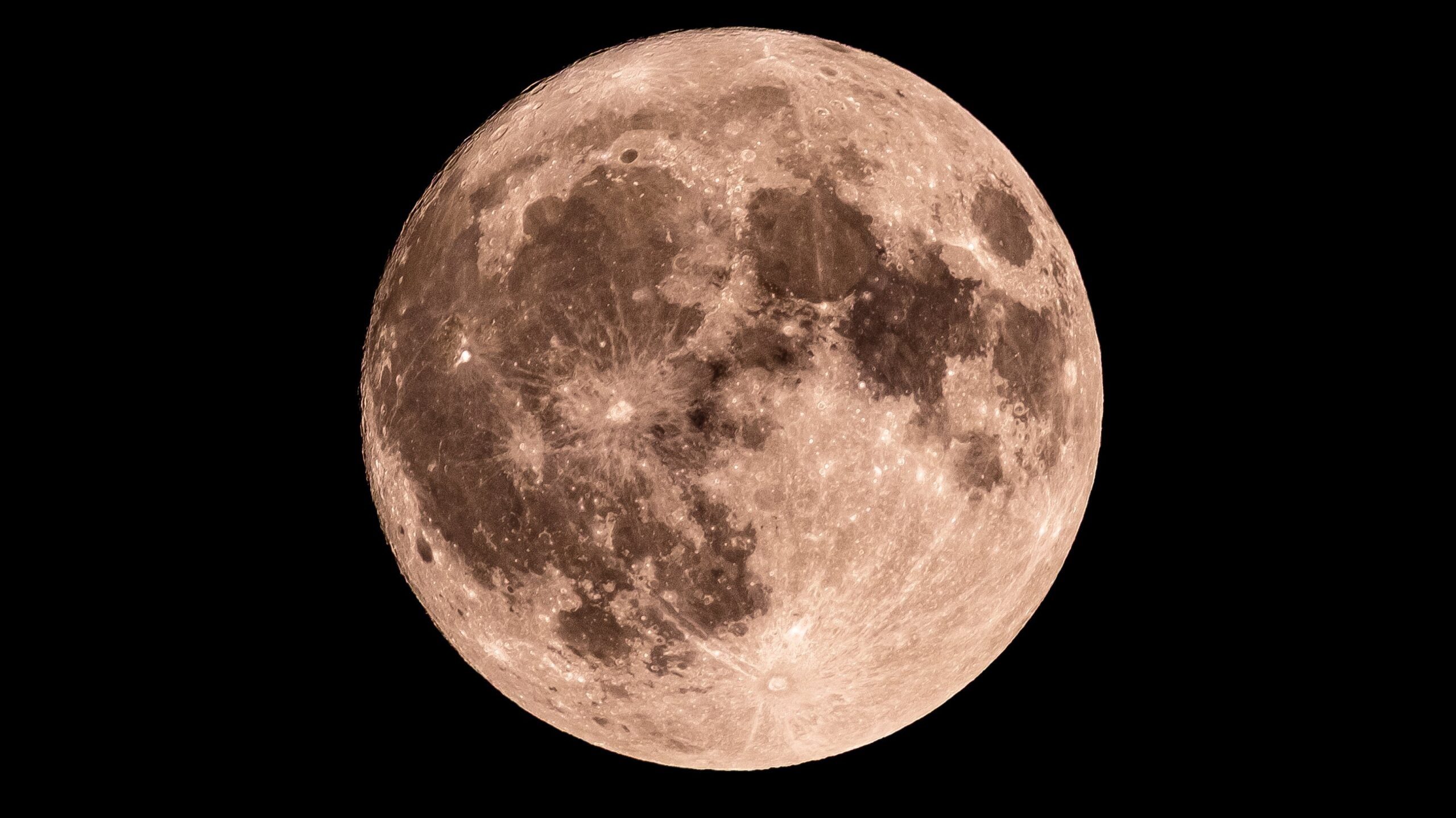
5. **Full Moon**: The entire face of the Moon is illuminated and fully visible.
6. **Waning Gibbous**: The light begins to decrease on the right side.
7. **Third Quarter (or Last Quarter)**: Another half-Moon, now with the left side illuminated.
8. **Waning Crescent**: A thin sliver of light remains on the left side before it goes dark again.
As the Moon progresses from the New Moon to the Full Moon, the increasing illumination will offer opportunities for observation and enjoyment of this celestial body. The next Full Moon will occur on February 1, following the last Full Moon on January 3.
This continuous cycle not only captivates astronomy enthusiasts but also holds cultural significance in various traditions around the world. The New Moon phase is often associated with new beginnings and is a time for reflection and intention-setting. As the nights grow brighter, observers can look forward to witnessing the Moon’s stunning transformation in the coming weeks.
In summary, January 18 signifies the start of a new lunar cycle, with the New Moon providing a blank slate. As the lunar phases unfold, the Moon will transition from invisible to fully illuminated, offering spectacular views to all who take a moment to look up at the night sky.