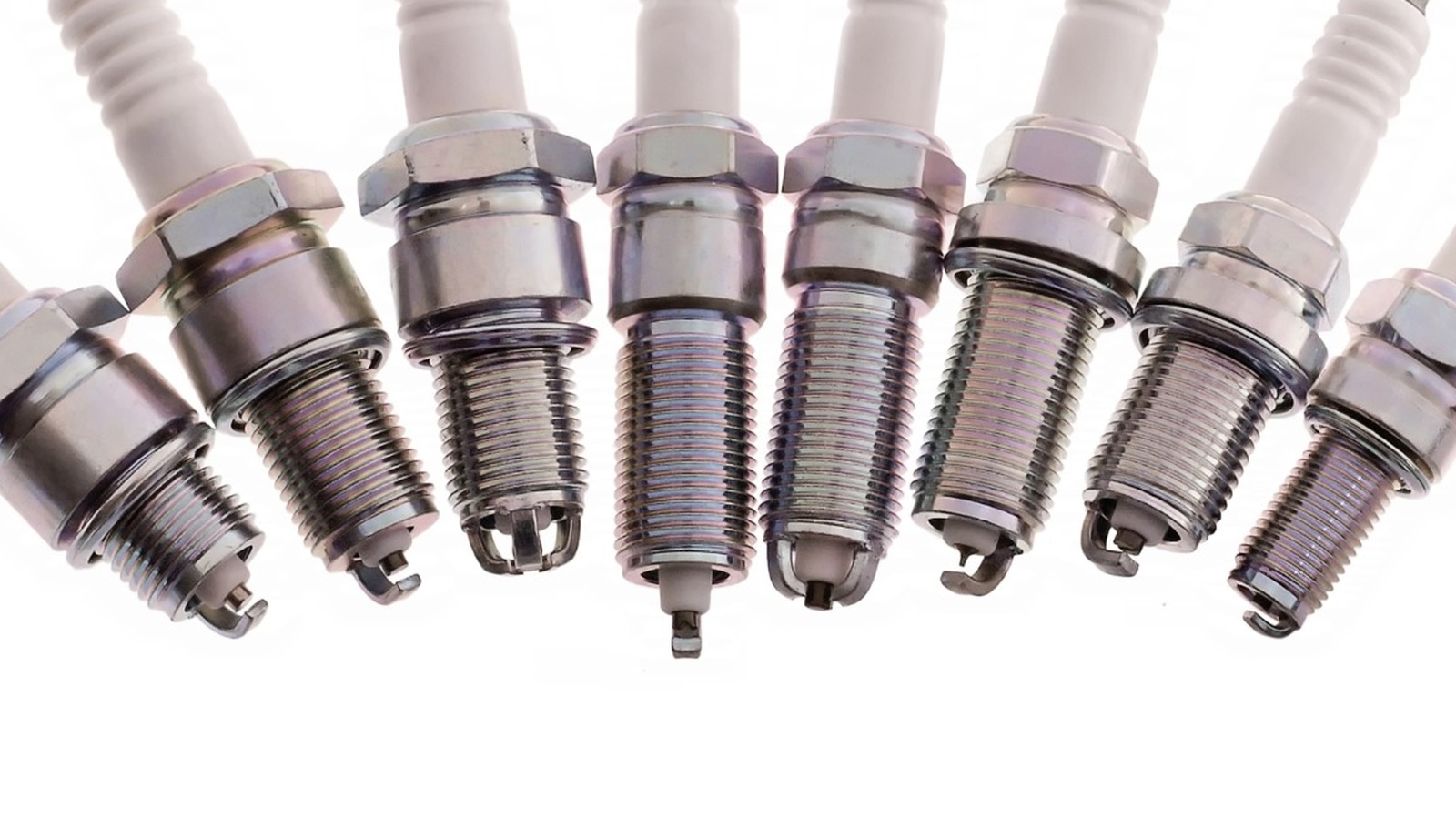
UPDATE: New insights into spark plug design have just been released, revealing critical differences that can impact engine performance and efficiency. Understanding these developments is essential for car enthusiasts and everyday drivers alike, as they can significantly affect vehicle operation.
Experts confirm that the variations in spark plug tip shapes and materials are driven by the specific needs of different engines. Racing and turbocharged engines generate extreme heat and pressure and require cold spark plugs that maintain optimal performance. In contrast, standard consumer vehicles benefit from hot plugs that ignite fuel mixtures close to the piston. These differences are not merely technical details; they can determine whether your engine runs smoothly or experiences costly failures.
As of now, the automotive industry is seeing a trend toward spark plugs with longer threads and projecting electrodes. This design enhancement allows the spark to occur closer to the piston, improving combustion efficiency. Traditional designs with flush electrodes are becoming less common, as manufacturers adapt to the latest performance requirements.
The shift in electrode size is also noteworthy. Recent developments show that premium spark plugs are now using smaller center electrodes, with diameters ranging from 0.4 mm to 0.6 mm. This change is attributed to the use of precious metals like iridium and platinum, which are significantly more durable than traditional materials such as nickel and copper. With a melting point of 4,435 degrees Fahrenheit (2,446 degrees Celsius), iridium tips last longer and perform better under high-stress conditions.
Experts caution, however, that while smaller electrode sizes can enhance performance, there are limits. Research indicates that a 0.5 mm to 0.6 mm tip size often yields the best results, particularly in high-performance scenarios.
Another crucial aspect of spark plug design is the temperature range. Cold spark plugs, suited for high-performance engines, operate at lower temperatures to prevent premature ignition. Consumer vehicles typically need hot plugs to ensure reliable ignition under normal operating temperatures. Drivers should be aware that using the wrong type could lead to fouling or engine inefficiencies.
As the automotive landscape evolves, the introduction of multi-ground electrodes is gaining attention. Some plugs feature up to four ground straps, designed to extend plug life by distributing wear. While this configuration doesn’t necessarily enhance performance, it could reduce the frequency of replacements, a significant consideration for high-mileage vehicles.
Surface-gap plugs are another innovation, eliminating ground straps entirely to cater to high-performance engines. These plugs are tailored for specific applications like racing, where extreme conditions necessitate specialized components. However, they are not suitable for typical consumer vehicles, which require more conventional designs.
Drivers must also consider the materials used in spark plugs. While cheaper nickel and chrome options are still available, the long-term benefits of investing in iridium or platinum plugs are clear—they not only last longer but also improve overall vehicle efficiency.
In summary, the evolution of spark plug designs reflects the increasing demands of modern engines. Whether you are a racing enthusiast or a daily driver, understanding these changes can help you make informed decisions about your vehicle’s maintenance and performance.
Next Steps: Stay informed on the latest developments in automotive technology and consider how these innovations might impact your vehicle. Check your spark plugs regularly and consult your manufacturer’s guidelines for optimal performance. Share your thoughts and experiences with spark plugs in the comments below, and don’t miss out on our upcoming articles covering more automotive innovations.