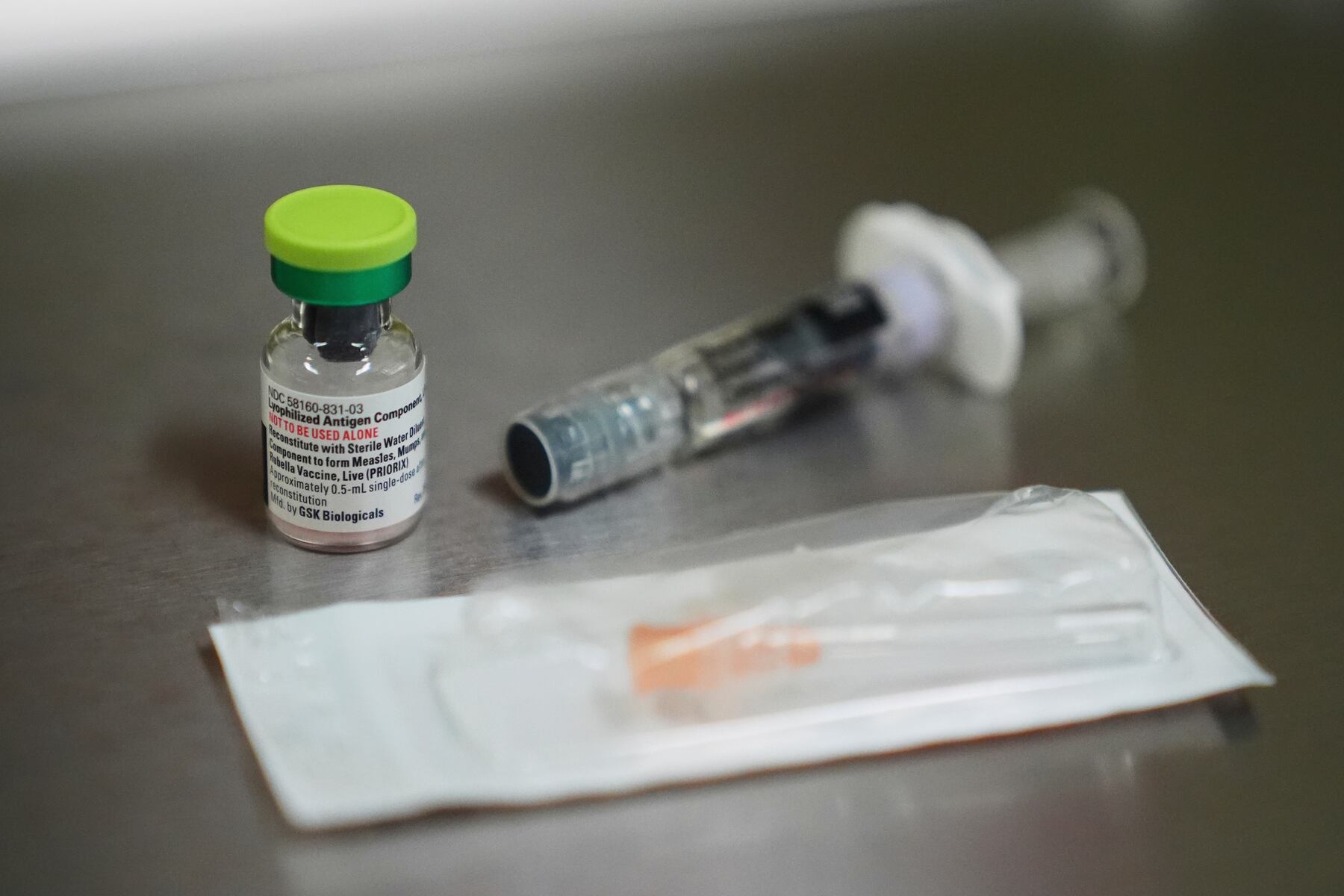
The recent announcement by Florida’s Surgeon General, Joseph Ladapo, to repeal vaccine mandates for schoolchildren has raised significant concerns among healthcare professionals. This decision targets vaccinations against several diseases, including hepatitis B, chickenpox, and pneumococcal infections, and could have profound long-term consequences for public health.
A harrowing case illustrates the potential impact of declining vaccination rates. An emergency medicine physician in Miami treated a 7-month-old infant suffering from status epilepticus, later diagnosed with Streptococcus pneumoniae meningitis. The child had not received the pneumococcal vaccine, highlighting the risks associated with reduced immunization. “This case has always stayed with me,” the physician remarked, noting the unfortunate outcome.
Healthcare providers are particularly alarmed by the decision to eliminate vaccine mandates, especially following the CDC’s recent announcements regarding a shortened vaccination schedule and the cessation of the universal recommendation for the hepatitis B vaccine at birth. Such changes disregard established guidelines from the American Academy of Pediatrics and could jeopardize herd immunity in Florida.
Vaccination rates among kindergartners have already shown a troubling decline, dropping from 93.3% during the 2014-2015 school year to 88.8% in 2024-2025. This trend poses a risk not only to the children who are unvaccinated but also to vulnerable populations, including newborns, the elderly, and those undergoing cancer treatment.
As pediatricians, the urgency of this situation is evident. Many healthcare providers are encountering increased hesitancy among parents regarding vaccinations. A physician working in a newborn nursery has observed that new residents frequently engage in discussions about vaccination protocols, suggesting a shift in how these conversations are approached in clinical settings.
Parents undoubtedly have the right to make health decisions for their children. When asked about the necessity of the hepatitis B vaccine, physicians explain the severe risks associated with the virus, including a 90% chance of developing chronic liver disease if contracted in infancy. However, misinformation about vaccines, often propagated through social media, has led to widespread concerns among parents about vaccine safety and side effects.
The potential consequences of repealing vaccine mandates extend beyond individual health. If immunization rates fall further, disparities in access to vaccines may widen, particularly affecting low-income families. Those facing barriers to healthcare, such as transportation difficulties or high co-pays, may be less likely to seek vaccinations without mandates in place.
The economic implications of vaccination are equally significant. Over the past thirty years, vaccines have prevented approximately 508 million illnesses, resulting in societal savings estimated at $2.7 trillion. These savings account for medical expenses, resources needed to manage outbreaks, and productivity losses when caregivers must stay home to care for sick children.
In Florida, the potential economic fallout from outbreaks of vaccine-preventable diseases could be severe, particularly in a state reliant on tourism. A confirmed measles case in a high school last year sparked significant public concern and led to discussions about student quarantines. Ladapo’s response, emphasizing parental choice due to existing immunity levels, raises questions about the adequacy of such an approach in safeguarding public health.
While vaccines are not infallible, healthcare professionals advocate for evidence-based policies that emphasize their importance in preventing disease. Physicians urge parents to consult with their pediatricians about vaccination schedules and to remain informed about the benefits and risks associated with vaccines.
As Florida considers the implications of repealing vaccine mandates, it is crucial for public health advocates to engage with communities, promoting understanding and trust in vaccinations. The health and safety of future generations depend on informed choices made today.