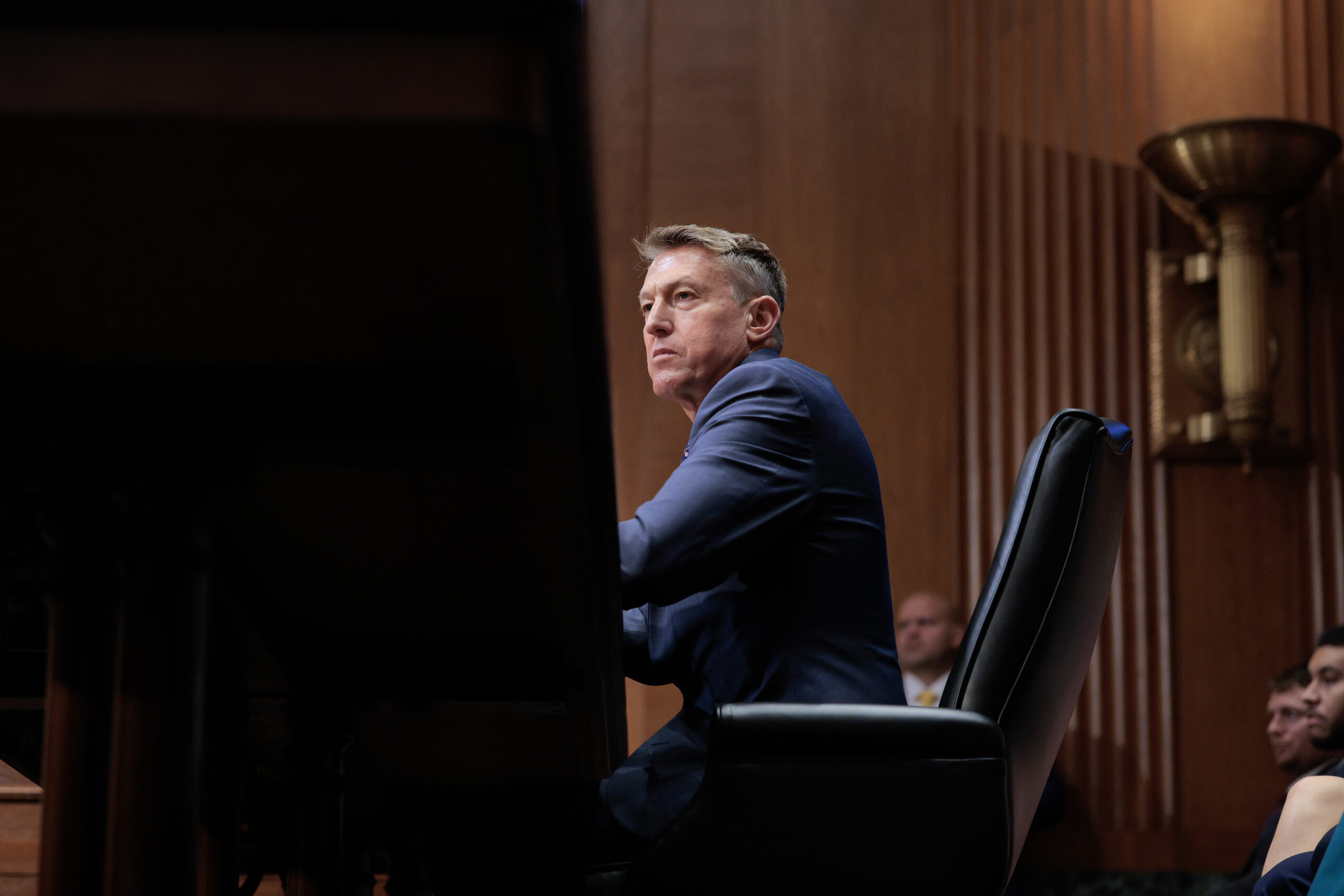
The Department of Homeland Security (DHS) is under scrutiny following a request from its commissioner, Rodney Scott, for a substantial renovation of his office, estimated to cost $2 million. This proposal comes at a time when DHS is intensifying efforts to increase deportations and enhance security measures along the U.S.-Mexico border.
Critics are questioning the timing and necessity of such a lavish expenditure, particularly as the agency faces pressure to allocate funds toward border security initiatives. The renovation plan reportedly includes extensive upgrades to meet modern standards, but many argue that the funds would be better utilized in direct border enforcement efforts.
Concerns Over Priorities Amid Budget Constraints
The request for the renovation has sparked a wider discussion about government spending priorities. With the Biden administration focusing on increasing border security, some lawmakers express concern that investing in office aesthetics diverts essential resources from critical operational needs.
Some members of Congress have called for transparency regarding how DHS allocates its budget, especially given the backdrop of ongoing debates about immigration policy and funding for border infrastructure. Senator John Barrasso of Wyoming stated, “It’s imperative that we scrutinize every dollar spent when so many pressing issues demand attention.”
DHS officials assert that the renovation aims to create a more functional and efficient workspace. Nevertheless, the juxtaposition of the costly project against the backdrop of urgent immigration enforcement efforts raises questions about the agency’s commitment to its primary mission.
Impact on Immigration Policy and Public Perception
Public perception of DHS may also be affected by this renovation plan. As the agency ramps up deportation efforts, the optics of a high-cost office upgrade could undermine its credibility. Many advocates for immigration reform view the proposed renovation as disconnected from the realities faced by individuals and families affected by stringent immigration policies.
While the specifics of the renovation project are still under discussion, it is clear that the proposed $2 million investment will draw attention not only within government circles but also from the broader public. The debate will likely continue as stakeholders weigh the merits of improving office facilities against the pressing needs for effective border management.
As the situation unfolds, the DHS faces the challenge of balancing internal improvements with external responsibilities. The outcome of this discussion will likely impact both the agency’s operational capabilities and its relationship with the communities it serves.