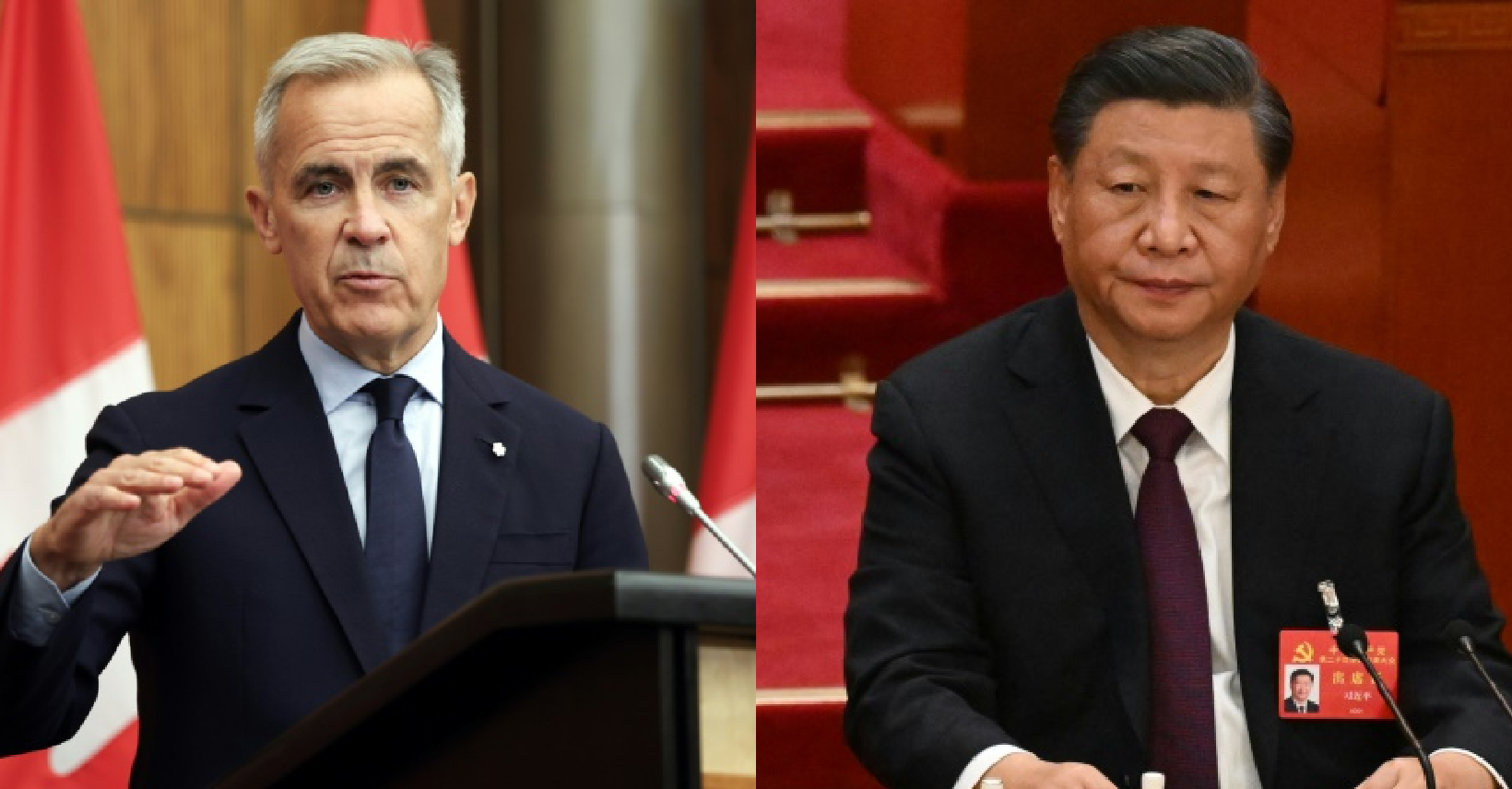
Canada and China have entered into a wide-ranging energy and trade cooperation agreement during a landmark visit by Canadian Prime Minister Mark Carney to Beijing. This deal marks the first official visit by a Canadian head of government to China since 2017 and comes in the wake of U.S. President Donald Trump‘s tariffs imposed on Canada. The agreement aims to strengthen economic ties and enhance collaboration in energy sectors, reflecting a significant shift in international relations.
At the core of the new partnership is an energy cooperation framework designed to foster commercial and policy engagement between Ottawa and Beijing. Both nations have committed to regular ministerial-level energy dialogues every 12 to 18 months. These discussions will focus on traditional and low-carbon energy sectors, including renewable technologies, oil and gas trade, and climate innovation. The objective is to establish stable platforms for coordination within the fluctuating global energy market.
Broader Strategic Relationship and Tariff Adjustments
During his visit, Prime Minister Carney and Chinese officials also formalized multiple memorandums of understanding (MOUs) encompassing various sectors, including forestry, food safety, cultural exchange, and crime prevention. Carney emphasized that energy cooperation serves as a “pillar” of the broader strategic relationship, highlighting its potential for job creation and investment in both countries.
Chinese President Xi Jinping expressed optimism about the improving relations between Canada and China, noting a marked enhancement following the APEC summit in South Korea in October. During that summit, Xi personally invited Carney to China, signaling a thaw in the previously tense relations under Carney’s predecessor, Justin Trudeau.
The agreement also addresses significant tariff adjustments, a crucial economic aspect of the visit. Canada announced plans to reduce the tariff on Chinese electric vehicles (EVs) from an effective rate of approximately 100% to the most-favored-nation (MFN) rate of 6.1% for up to 49,000 vehicles annually. This number is expected to increase to about 70,000 vehicles over the next five years. In exchange, China will lower tariffs on Canadian canola seed from about 84% to approximately 15%, effective March 1, 2026. Additional reductions will extend to other agricultural exports, including canola meal, lobsters, peas, and crabs.
Ottawa’s backgrounder on the preliminary trade agreement indicates that these tariff changes and the expanded market access are anticipated to “significantly improve market access” for Canadian agricultural goods, valued in the billions of dollars annually. This agreement not only represents a shift in trade partnerships but also signals Canada’s strategic move to diversify its export markets in response to U.S. trade policies.
As trade negotiations progress, the evolving relationship between Canada and China could reshape the landscape of international trade, particularly in light of ongoing tensions and tariff disputes involving the United States. The new agreement reflects a proactive approach by Canada to strengthen economic ties with China while navigating the complex global trade environment.