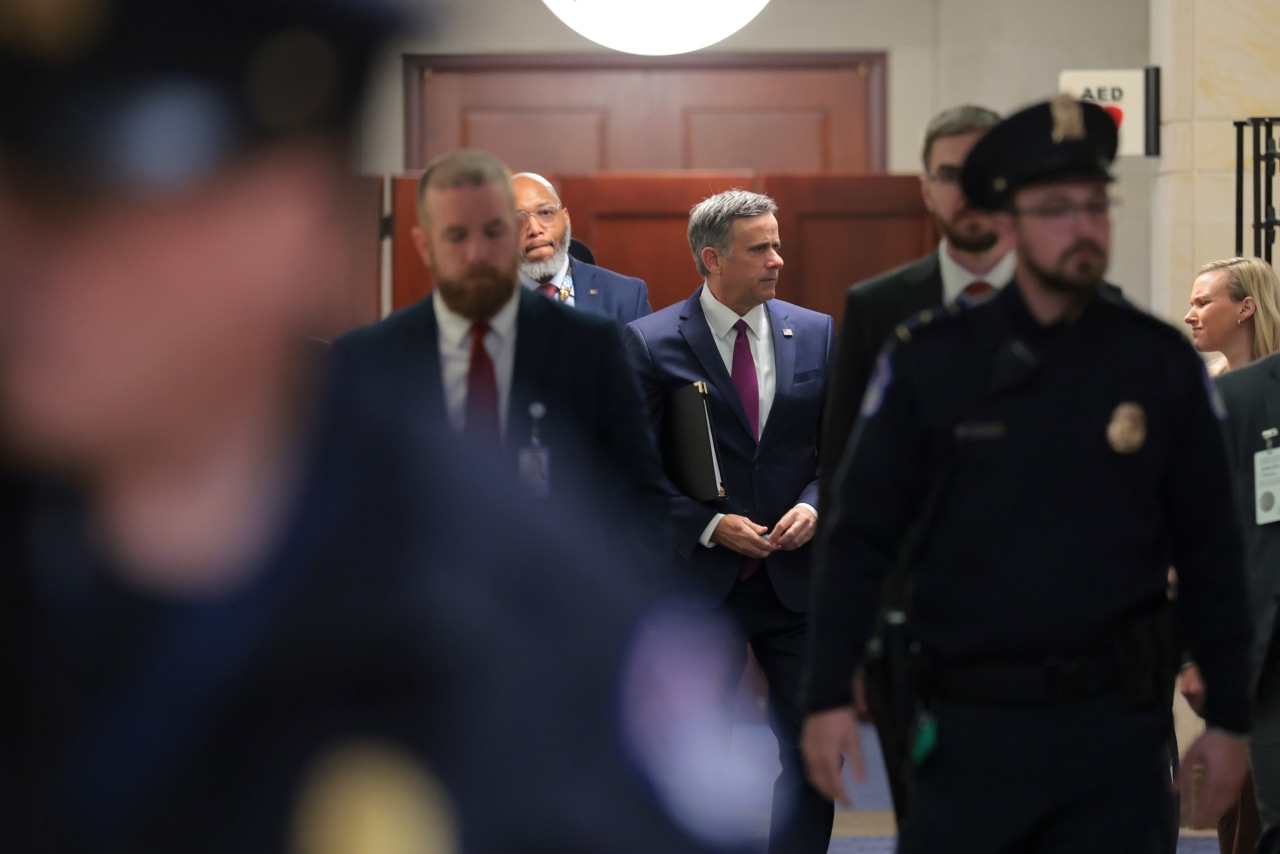
The Director of the Central Intelligence Agency (CIA), William Burns, recently traveled to Caracas for a meeting with Venezuela’s Vice President, Delcy Rodríguez. This visit marks a significant moment in U.S.-Venezuelan relations, being the first known trip by a senior U.S. official to Venezuela since the dramatic capture of Venezuelan President Nicolás Maduro by U.S. Special Forces in August 2023.
This high-level meeting indicates a potential shift in diplomatic engagement between the two nations. The discussions are expected to address various issues, including Venezuela’s political landscape and economic conditions.
William Burns‘s visit comes amidst a backdrop of significant political upheaval in Venezuela. The capture of Nicolás Maduro, who has been a contentious figure in Latin American politics, has opened possibilities for renewed dialogue with the U.S. government.
Implications for U.S.-Venezuelan Relations
The encounter between Burns and Rodríguez could lead to a reevaluation of U.S. policies in the region. Analysts suggest that the U.S. may be exploring pathways to stabilize the situation in Venezuela, which has faced severe economic challenges and widespread unrest in recent years.
A source from the U.S. government indicated that the discussions aimed to clarify the future direction of Venezuela’s governance and the potential for humanitarian aid. The U.S. has historically imposed sanctions on the Maduro regime, and any changes to this stance would signal a significant diplomatic pivot.
Reactions and Future Prospects
The response to this visit has been mixed. Supporters of the Venezuelan opposition view it as an opportunity for constructive dialogue, while others express skepticism regarding the U.S. intentions. The Venezuelan government has not issued an official statement regarding the meeting, leaving room for speculation about the outcomes of such high-profile talks.
Observers are keenly watching to see how this meeting will influence both domestic policies in Venezuela and Washington’s approach to Latin America moving forward. The implications of this meeting could extend beyond Venezuela, potentially impacting U.S. relations with other nations in the region facing similar political and economic struggles.
As the situation evolves, the international community remains alert to developments that could reshape the geopolitical landscape in Latin America.